U.S. Department of Transportation (DOT)
ChargePoint
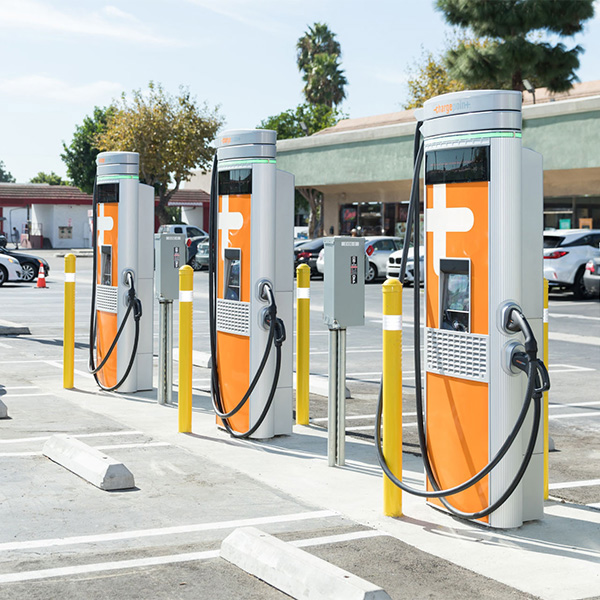
The U.S. Department of Transportation announced a new round of funding aimed at putting EV chargers “particularly in underserved and disadvantaged communities.”
Shutterstock
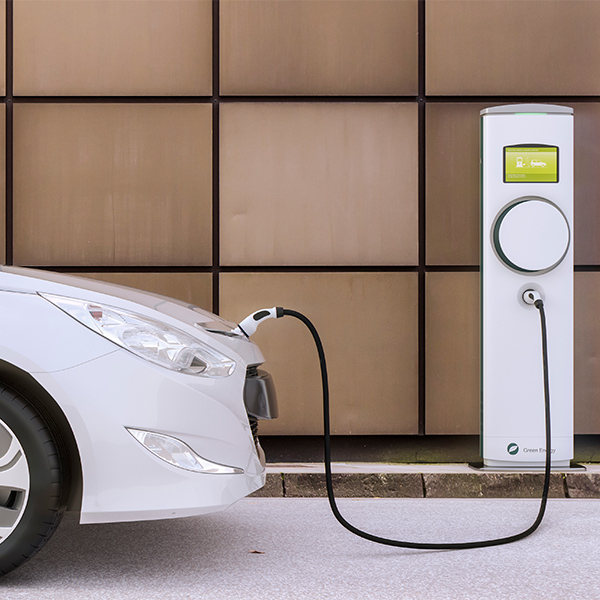
The FHWA announced key details of its effort to create a national EV charging network, including minimum standards and a plan for domestic content requirements.
Shutterstock
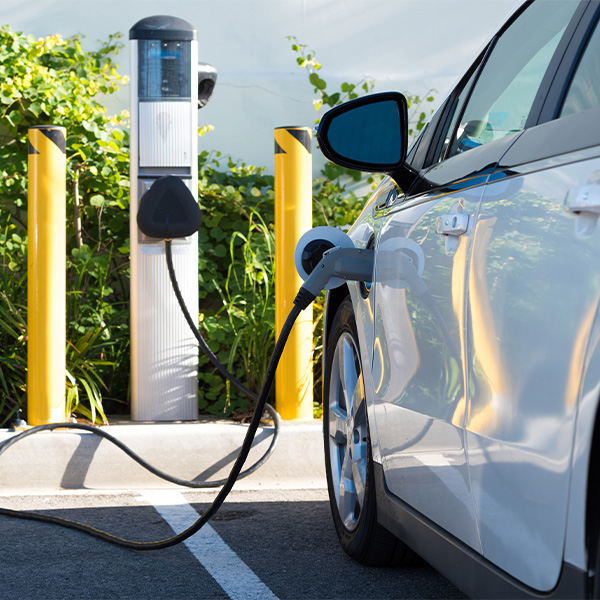
During a webinar produced by the EV Charging Initiative, stakeholders focused on the challenges and costs of electrifying the nation’s transportation sector.
DOE
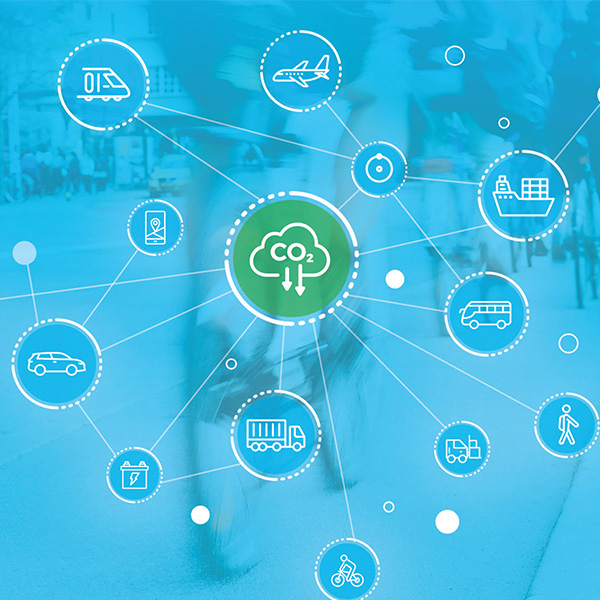
The Biden administration released a national plan to eliminate carbon dioxide and other GHG emissions from the nation’s transportation sector by 2050.
Lion Electric
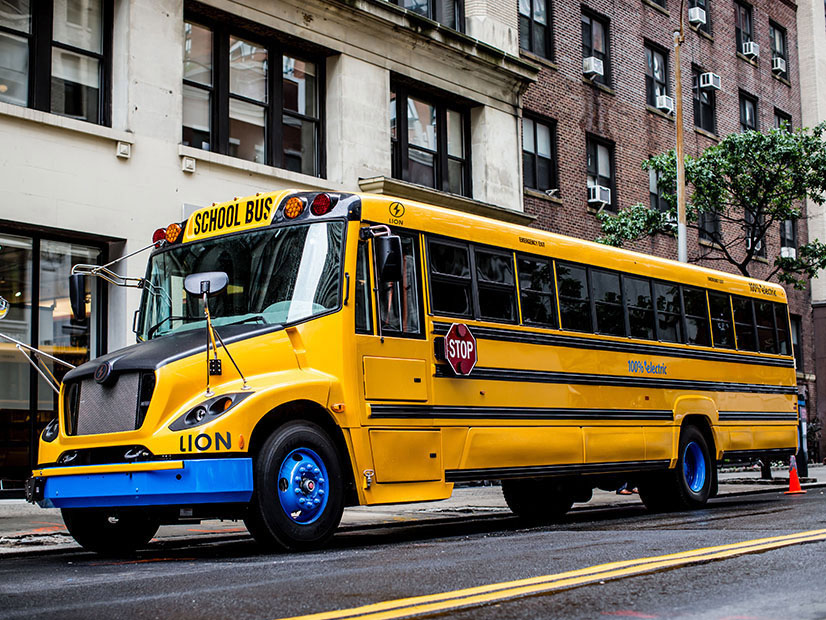
DOT announced $1.66 billion in infrastructure bill grants to nearly double the number of non-emission buses on the nation’s roads with just one year of funding.
Maryland Dept. of Transportation
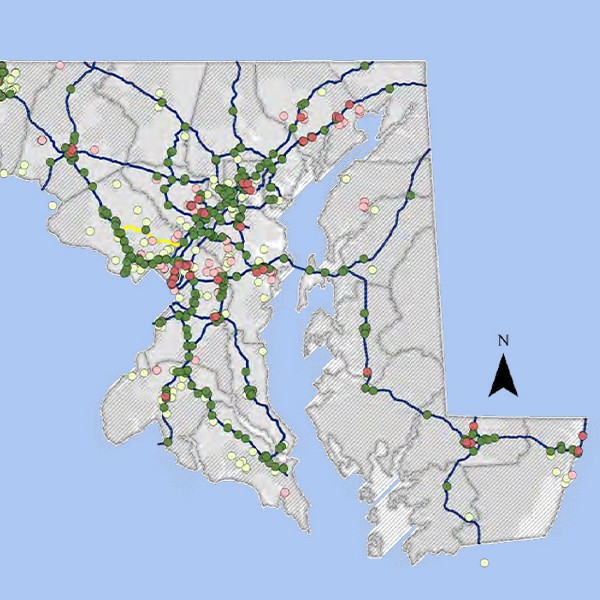
Every state met the deadline to file their NEVI plans with the FHWA, but many will fall short of meeting the guidelines that the program requires.
Shutterstock
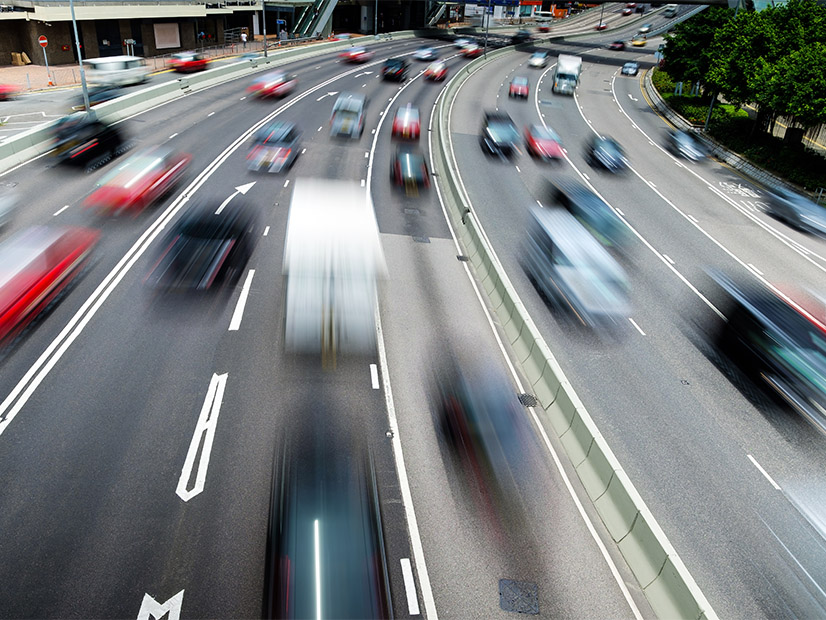
A new proposed federal rule aimed at cutting GHG emissions raised questions about whether it would pass muster under new judicial review standards.
Shutterstock
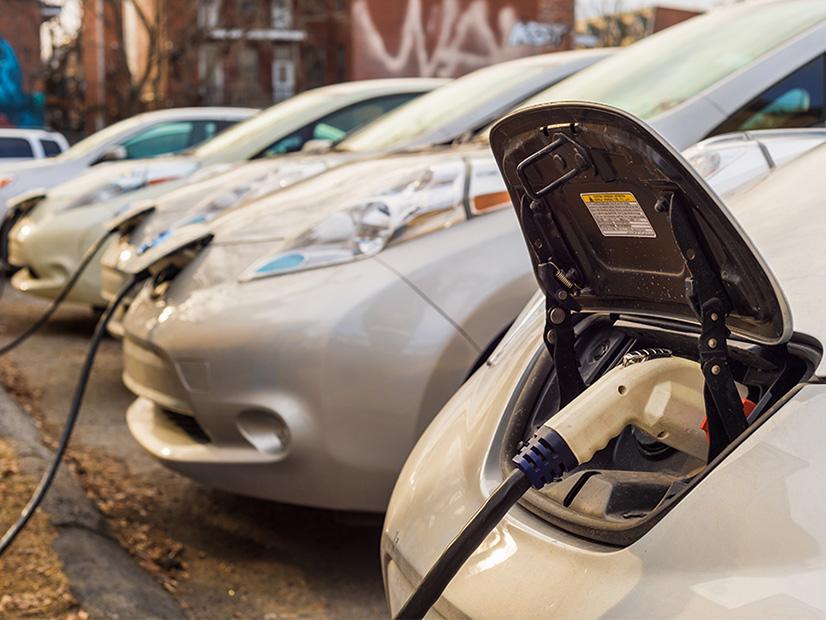
The Biden administration will require that electric vehicle chargers installed with IIJA funding meet standards for charging speed and interoperability.
Roda S.p.A.
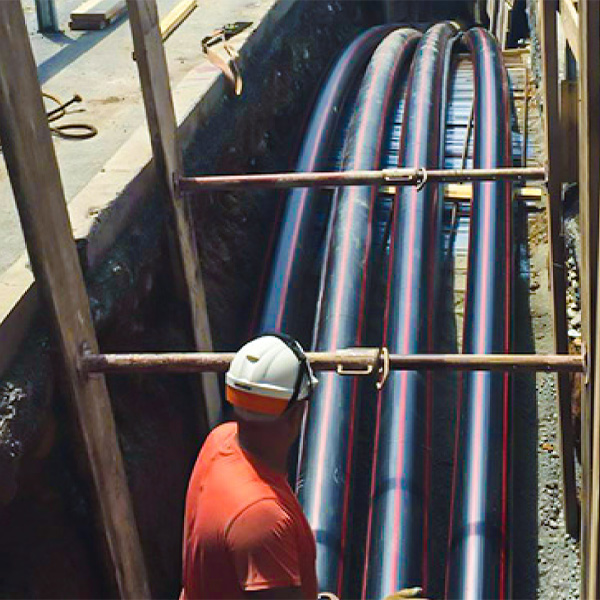
A report examining the use of the interstate system as a corridor for expansion of the nation’s transmission system concluded it can be done relatively quickly.
Shutterstock
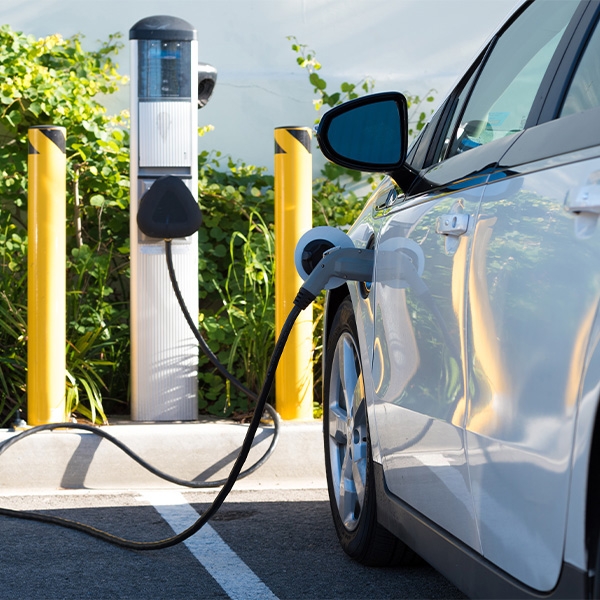
States will receive more than $600 million in funding for EV charging in 2022, the first installment of $5 billion promised in the infrastructure bill.
Want more? Advanced Search