variable resource requirement (VRR) curve
PJM
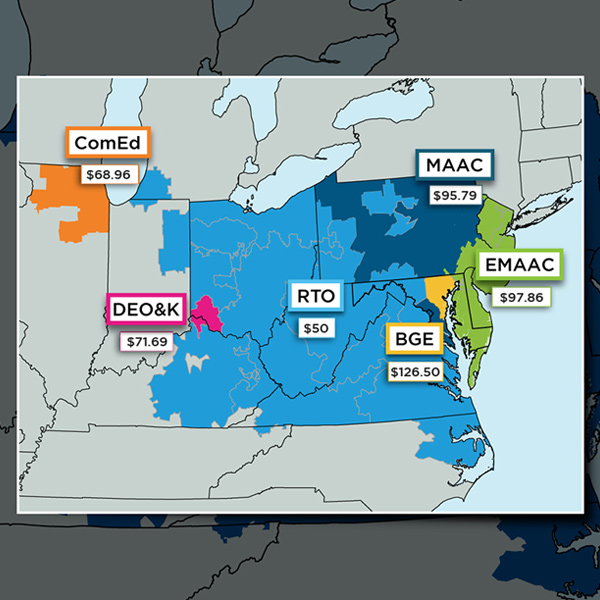
The results of PJM’s 2022/23 Base Residual Auction were not competitive, according to a report released last week by the RTO’s Independent Market Monitor.
The Brattle Group
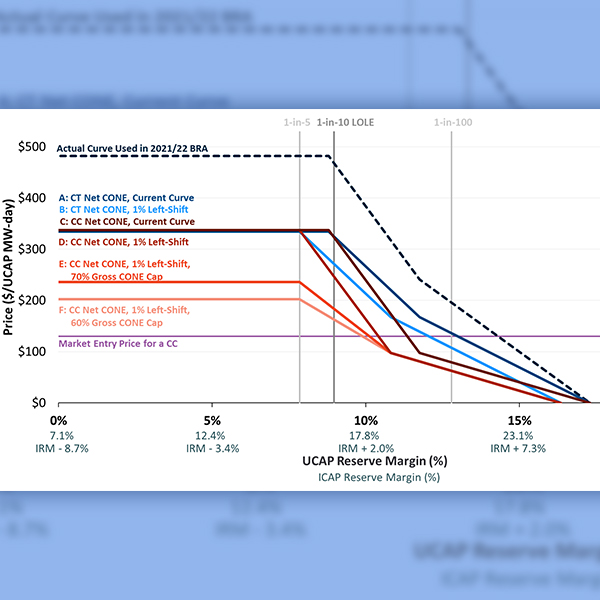
FERC ordered PJM to remove the 10% cost adder for the reference resource used to establish the VRR curve in the RTO’s capacity market.

Shutterstock
Stakeholders unanimously voted to amend PJM's issue charge addressing the calculation of regulation mileage ratio, asking the RTO for more time to discuss.
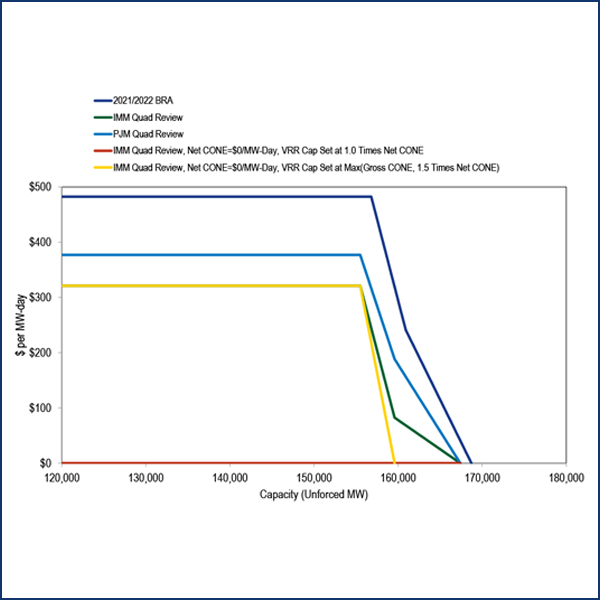
Independent Market Monitor Joe Bowring said PJM’s proposed revisions to how it prices reserves necessitates changes in the capacity market.
© RTO Insider
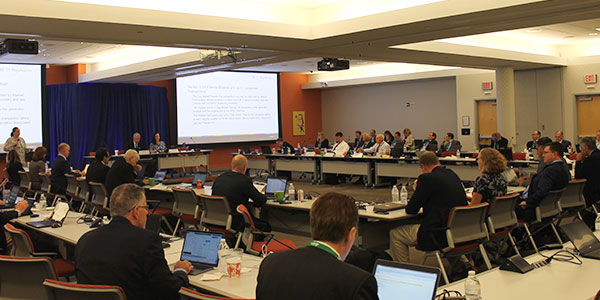
The MRC voted on four packages of revisions as part of PJM’s quadrennial review of the VRR curve, but none of the proposals received majority support.

© RTO Insider
PJM staff have incorporated stakeholder input into their recommendations resulting from the quadrennial review of the VRR demand curve.

© RTO Insider
The PJM Markets and Reliability Committee agreed to a one-year delay in adding cost-containment measures to the RTO’s transmission planning process.

© RTO Insider
The Market Implementation Committee overwhelmingly endorsed PJM’s proposal for revising how it calculates the balancing ratio.

PJM has altered one of its recommended revisions to its capacity auction demand curve in response to stakeholder pressures.
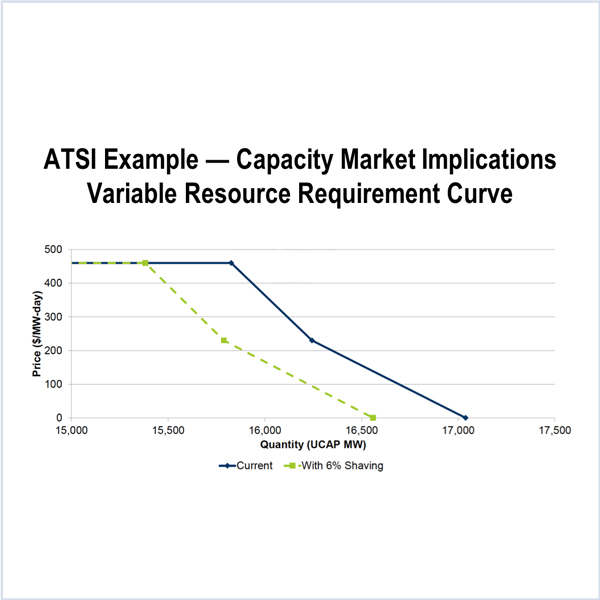
This graph from PJM shows how much of an impact on the load forecast in different transmission zone varying percentages of peak shaving would have.
PJM hopes to reduce its capacity market demand curve by including peak shaving among the variables used to develop its load forecast.
Want more? Advanced Search