Wes Moore
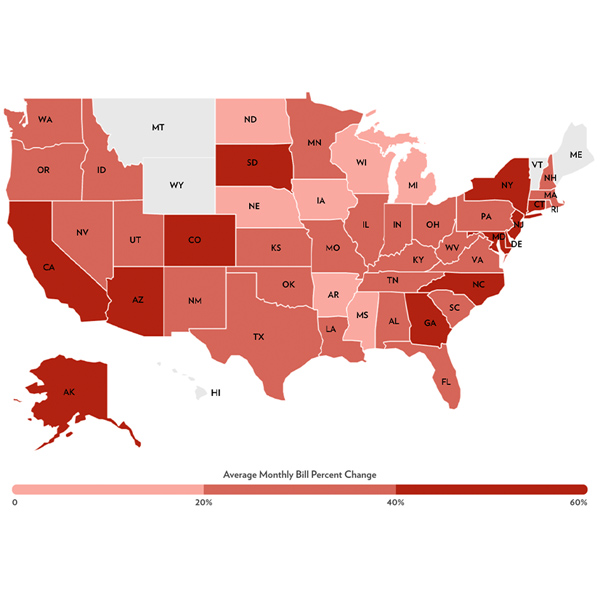
The Century Foundation commentary with data from UC-CCP
Residential electricity bills have moved from being background noise in discussions about resource adequacy, decarbonization, and transmission expansion to being the loudest political and business risk, says Dej Knuckey.

Shutterstock
Maryland's 2026 legislative session could show how states facing explosive demand growth can achieve their clean energy and affordability goals despite the Trump administration’s resistance to solar, wind and storage, according to Livewire columnist K Kaufmann.
© RTO Insider
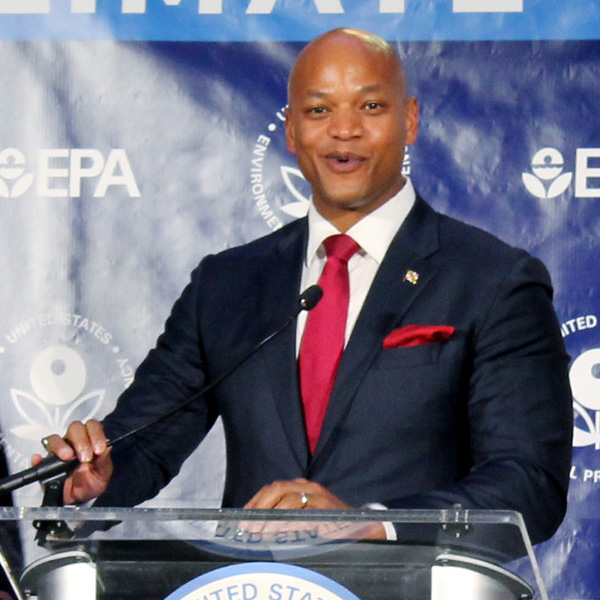
Gov. Wes Moore issued an executive order calling for reforms to boost electricity supply and ensure affordability, which will be implemented in part by the new executive director at the Maryland Energy Administration, Kelly Speakes-Backman.
© RTO Insider LLC
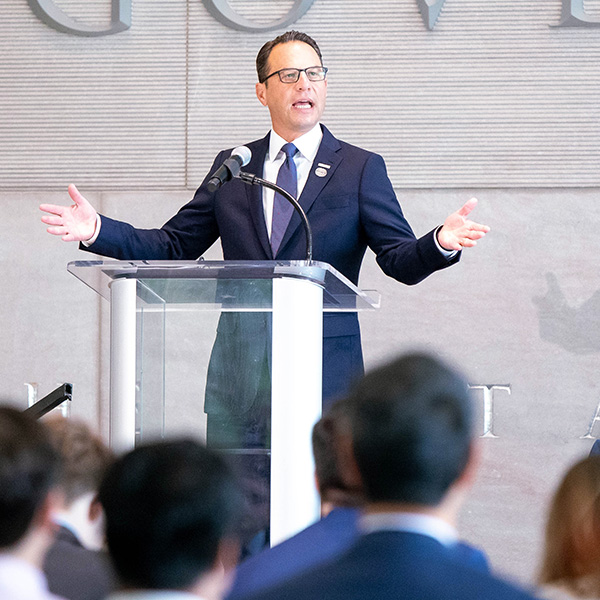
Addressing a technical conference on the state of PJM, Virginia Gov. Glenn Youngkin said PJM must undertake immediate governance changes, with granting states a greater voice in decision-making atop the list.
Shutterstock
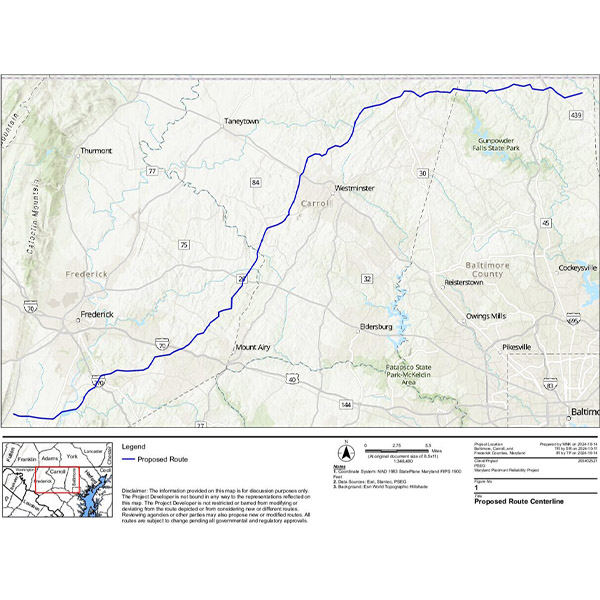
The rising opposition to the Maryland Piedmont Reliability Project, a 67-mile, 500-kV transmission line, and general dissatisfaction with PJM and utility grid planning and interconnection policies, are driving new bills in the General Assembly.
PSEG Renewable Transmission
The Maryland Piedmont Reliability Project is a proposed 67-mile, 500-kV transmission line that could be vital to grid reliability in the state but has already sparked opposition.
© RTO Insider LLC
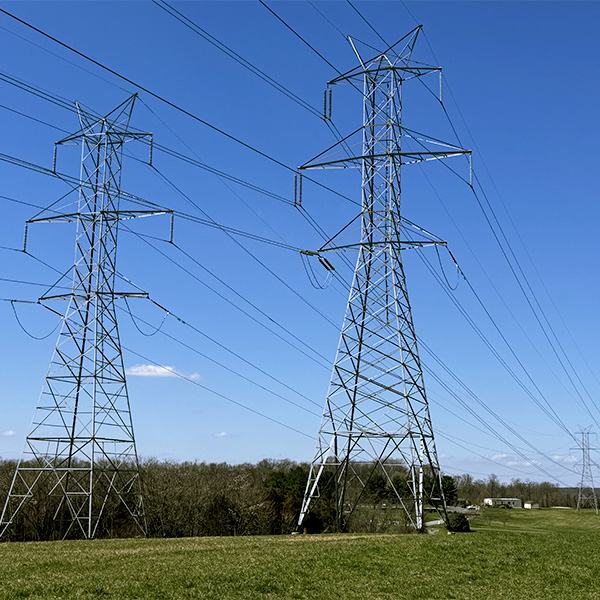
Maryland has been promoting itself as a nearby, attractive alternative to Northern Virginia, and data center developers are starting to take a closer look.
Maryland Governor's Office
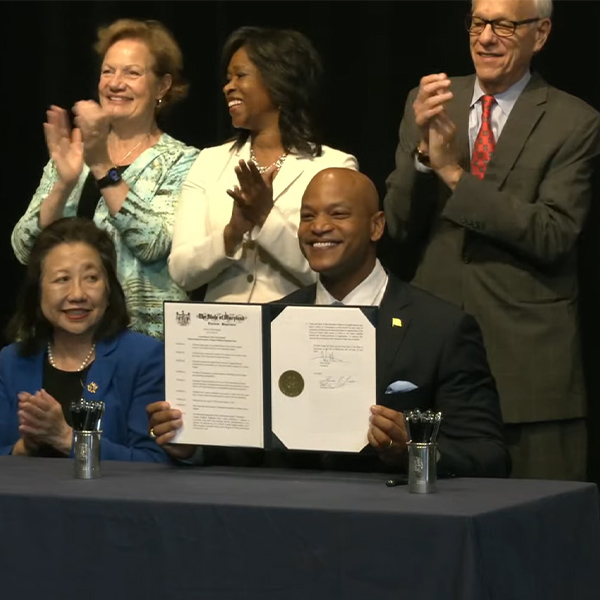
Maryland Gov. Wes Moore (D) signed a sweeping executive order calling for the state to establish a zero-emission heating equipment standard and a new clean heat standard to be added to the state’s Renewable Portfolio Standard.
Shutterstock
Getting bills through the Maryland General Assembly often involves compromises and tradeoffs, even with Democrats controlling the House of Delegates, the Senate and the governorship.

Shutterstock
With Maryland facing rising budget deficits, legislators are focusing on removing barriers to zero-emission technologies, rather than proposing new funding.
Want more? Advanced Search