
winter peak
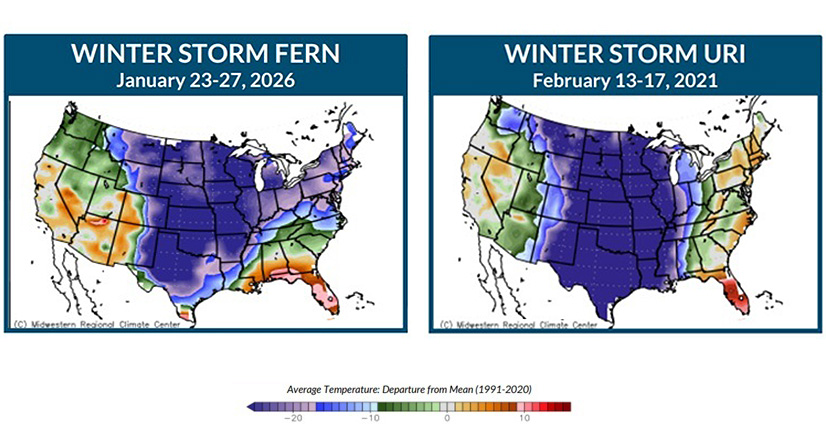
Midwestern Regional Climate Center and MISO
MISO’s maximum generation emergency event during a harsh winter featured under-forecast demand, issues with pricing software and day-ahead models so bogged down by complexity that they took longer to solve.
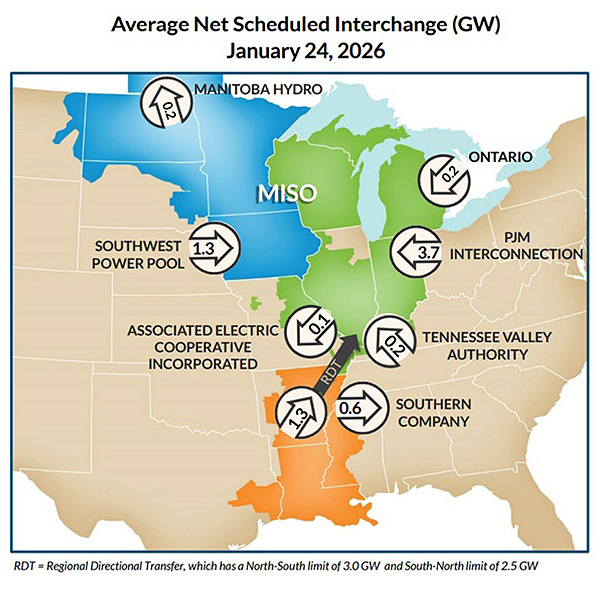
MISO
MISO said lackluster generating unit performance led to an emergency declaration during the late January winter storm.
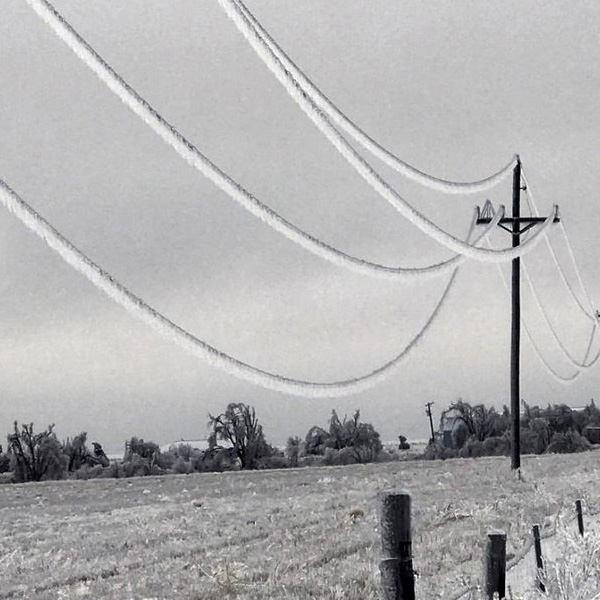
Xcel Energy
The North American grid made it through the winter storm of Jan. 24-26 — dubbed “Fern” by The Weather Channel — relatively unscathed, but the cold weather gripping much of the U.S. and Canada continues, and cold snaps in the future will still stress the interconnected power and natural gas systems.
NYISO
NYISO's Business Issues Committee and Operating Committee both endorsed tariff changes ahead of the completion of the Champlain Hudson Power Express.
National Petroleum Council
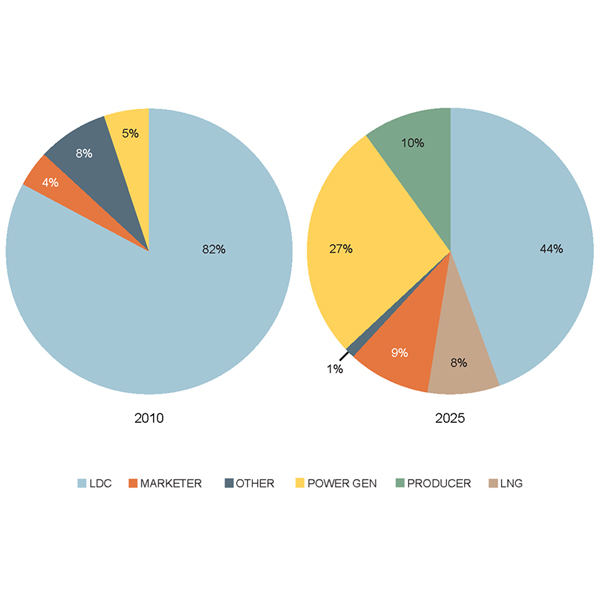
The National Petroleum Council is the latest group urging reforms to address gas-electric coordination including pipeline expansion, and reforms to organized power markets and pipeline tariffs.
PJM
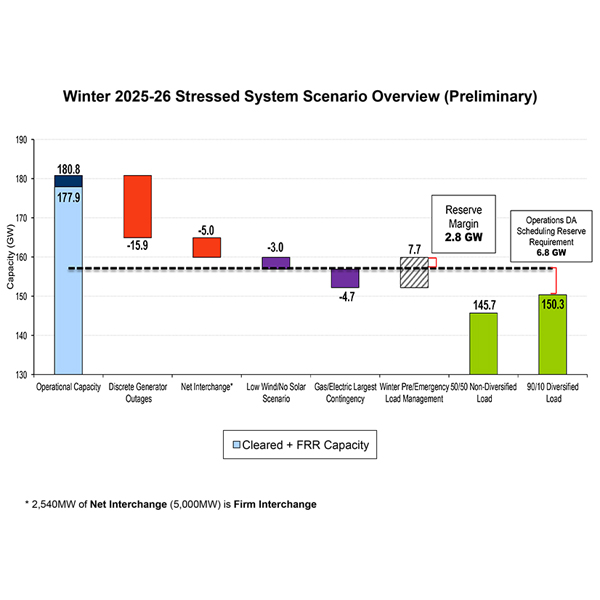
PJM’s winter outlook found the RTO should have enough resources to meet the forecast peak load of 145,700 MW, although the reserve margin continues to decline as new resource development lags.
MISO
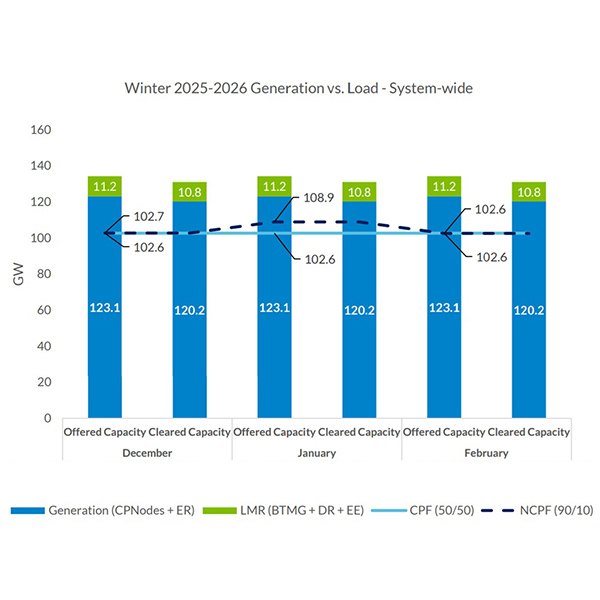
MISO said even a 109-GW peak this winter shouldn’t prove problematic, though a more probable scenario would deliver a 103-GW peak in January.
Potomac Economics
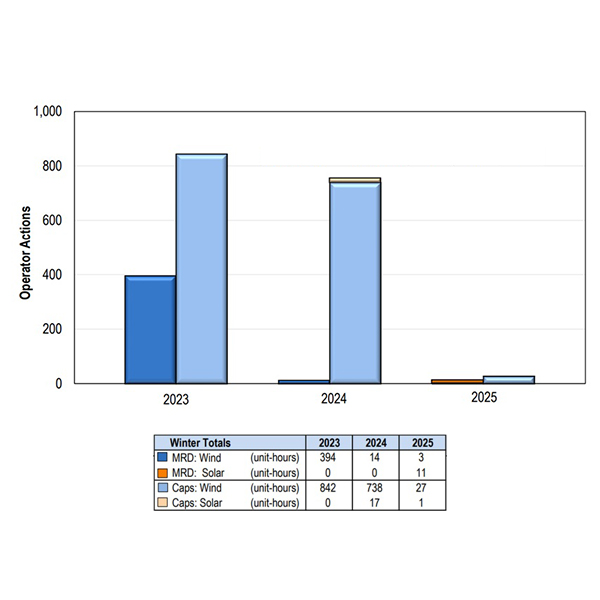
After years of its Independent Market Monitor critiquing MISO for making too many out-of-market actions to tame congestion, the IMM congratulated the RTO for dramatically reducing such actions.
NYISO
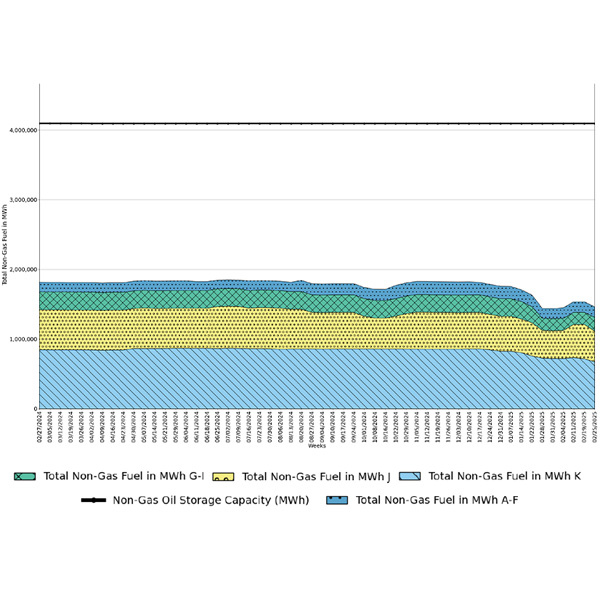
While NYISO operated reliably last winter, the season provided “continued examples of limited flexibility on the gas system,” ISO staff told the Operating Committee.

© RTO Insider LLC
MISO emerged from winter 2024/25 without turning to emergency procedures despite wide-ranging winter storms Jan. 6-9 and again Jan. 20-22.
Want more? Advanced Search
