
FERC & Federal
The Federal Energy Regulatory Commission is an independent regulatory agency that oversees the transmission of electricity, natural gas and oil in interstate commerce, as well as regulating hydroelectric dams and natural gas facilities.
NERC and the regional entities pushed back on FERC’s proposal to shorten the time between the organization’s performance assessments from 5 years to 3.
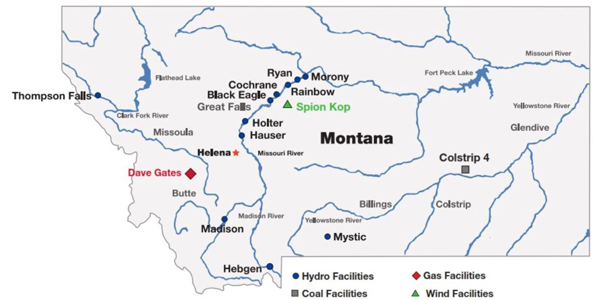
FERC has accepted a settlement between WECC and NorthWestern Energy for violations of NERC reliability standards, under which the utility will pay $205,000.

FERC's Richard Glick said he may seek new reliability standards to ensure better preparation for severe winter conditions following prolonged outages.
FERC approved a settlement between ReliabilityFirst and Michigan Electric Transmission Company for violations of NERC reliability standards.
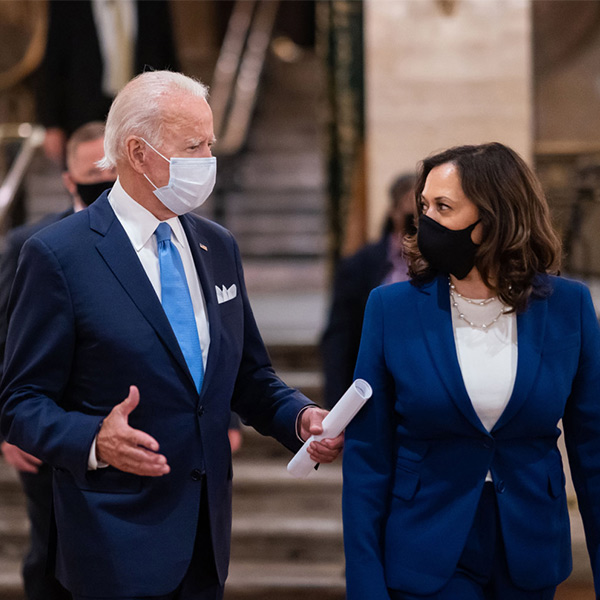
President Joe Biden has suspended a Trump administration rule that restricts the purchase of bulk power system equipment from foreign adversaries.
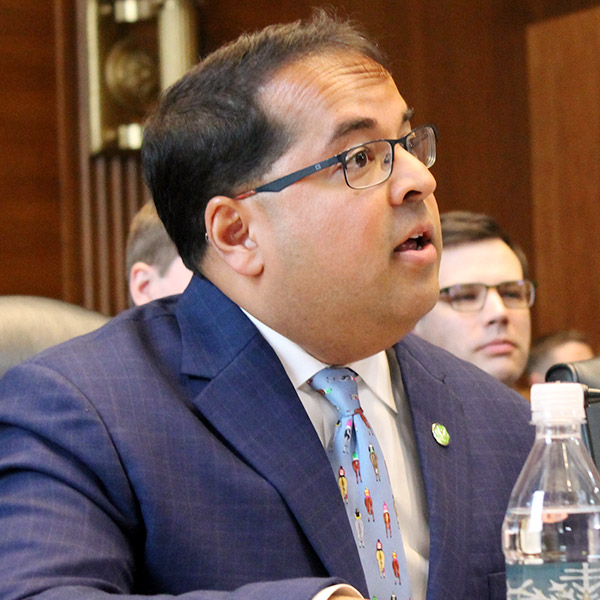
FERC ordered NERC to audit the CMEPs of all regional entities by June 2023, rejecting the organization's proposed audit plan.

Industry participants support efforts to limit acquisition of foreign-manufactured hardware but warn that removal from existing systems will be challenging.
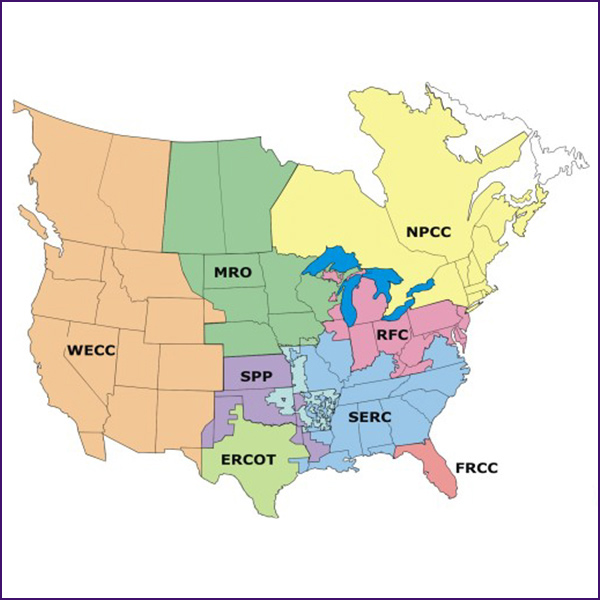
FERC ordered revisions to NERC’s pro forma regional delegation agreement and its RDAs with all regional entities while approving the agreements overall.

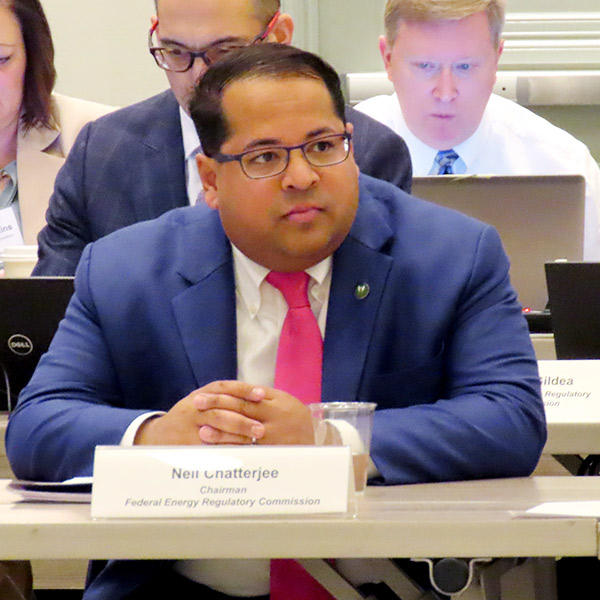
FERC ordered NERC to make an informational filing on possible modifications to the CIP reliability standards to allow their use.
© ERO Insider
FERC proposed incentives to encourage public utilities to make cybersecurity investments above and beyond the requirements of NERC’s CIP standards.
Want more? Advanced Search
