Federal Policy
CongressDepartment of EnergyLoan Programs Office (LPO)Department of TransportationEnvironmental Protection AgencyFederal Energy Regulatory CommissionGeneral Services Administration (GSA)Interior DepartmentBureau of Land ManagementBureau of Ocean Energy ManagementNuclear Regulatory CommissionTreasury DepartmentWhite House
University of Maine
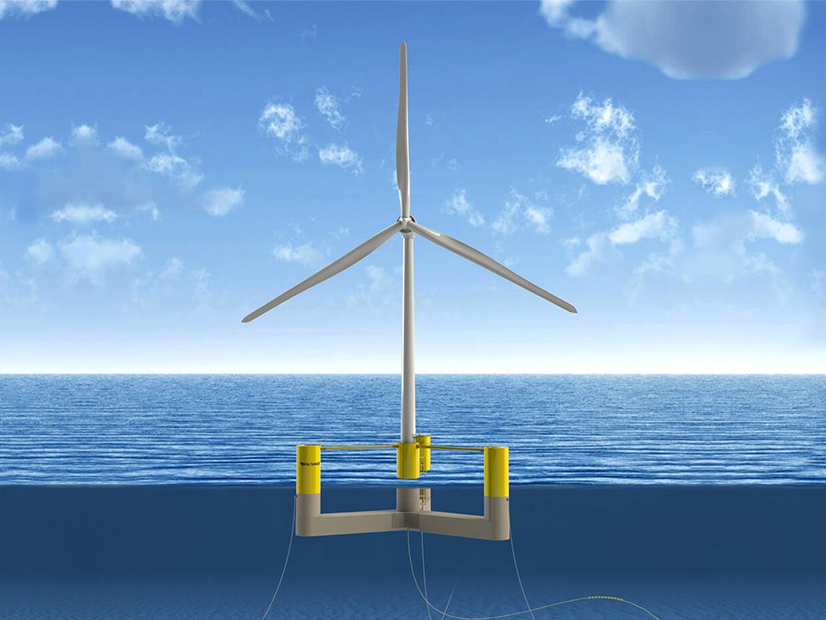
Maine says its small-scale offshore wind array will offer critical research opportunities and experience with floating turbine technology.
Shutterstock
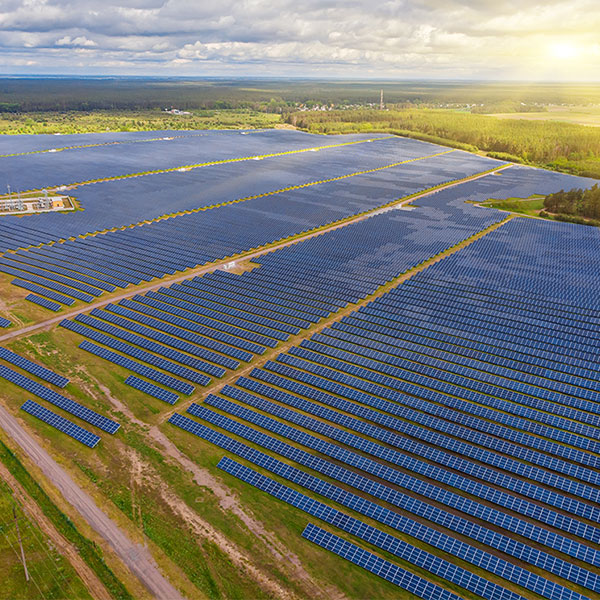
SEIA issued a new growth target for the industry to mark the first day of its 2021 annual meeting: 30% of the nation’s power by 2030.
Shutterstock
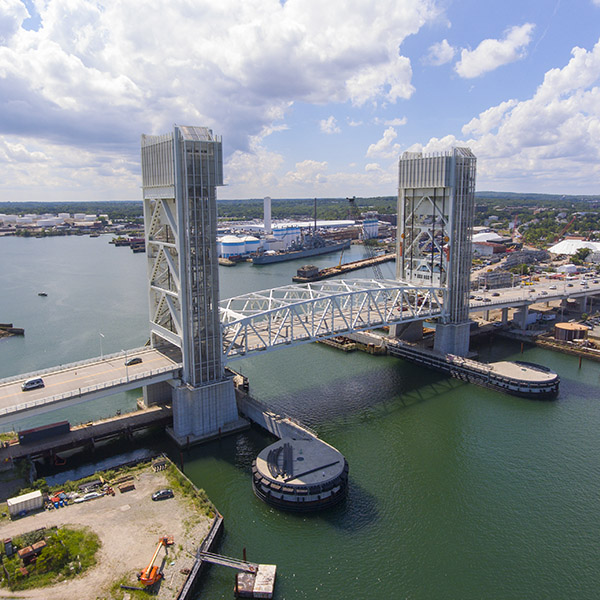
The site of the Weymouth natural gas compressor station previously hosted both a coal facility and a fuel storage tank.

National Clean Energy Week
A two-day Policy Makers Symposium at National Clean Energy Week provided insight into the mainstreaming of the clean energy transition in the U.S.
Resources for the Future
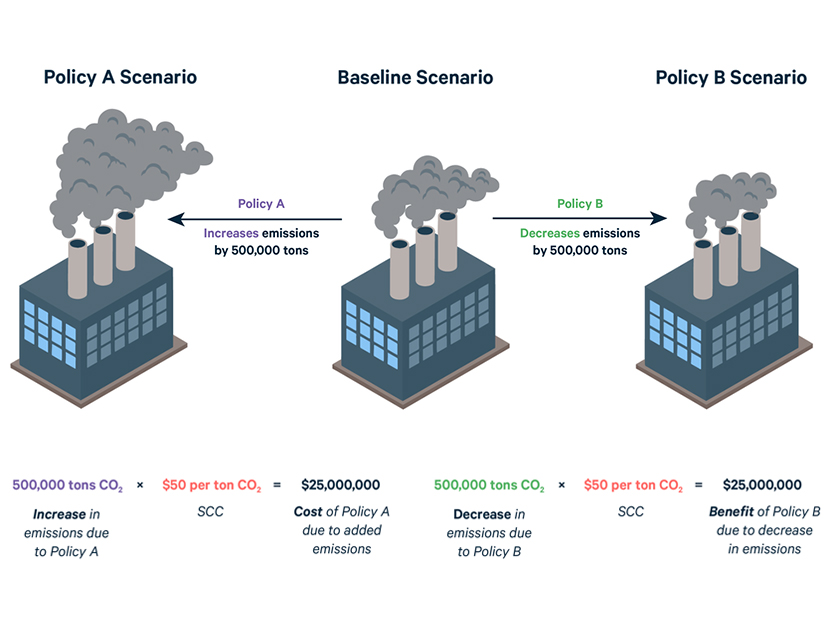
More granular data and improved computing power are allowing economists to refine their climate change predictions — and, they hope, influence policy.
Thunder Valley Community Development Corporation
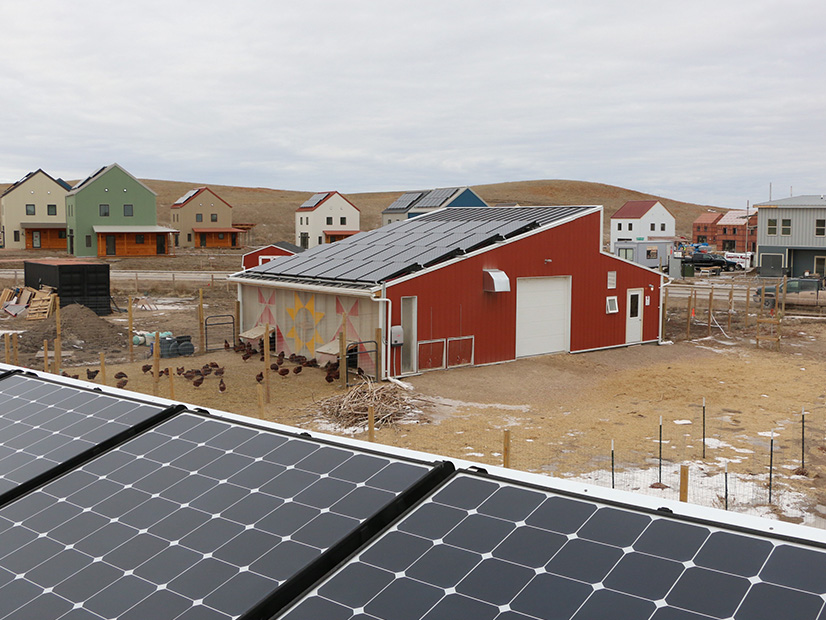
The Department of Energy's LEAP program will provide technical assistance to help environmental justice, low-income and coalfield communities develop clean energy projects.
C-SPAN
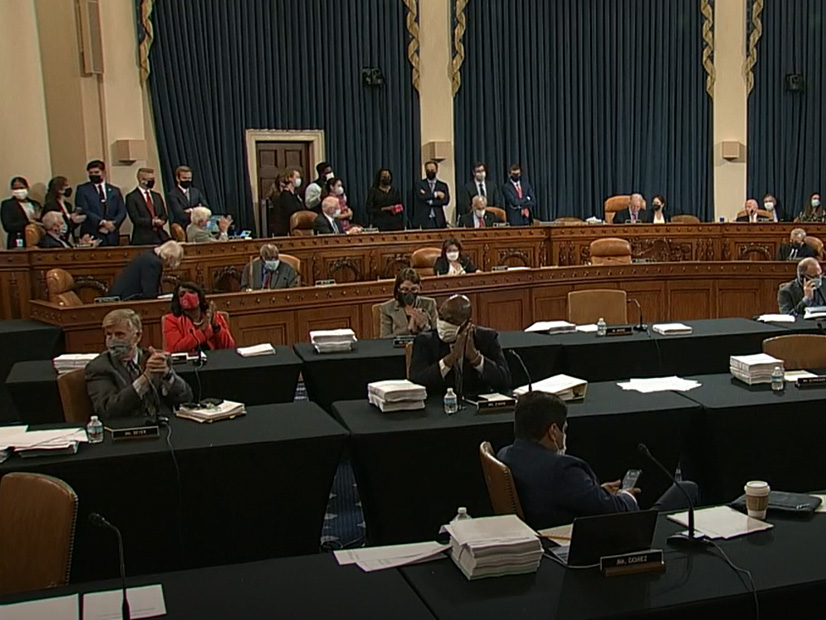
The House Ways and Means Committee approved Democrats’ $3.5 trillion spending package, which includes billions for energy efficiency, renewables and EVs.
Xcel Energy
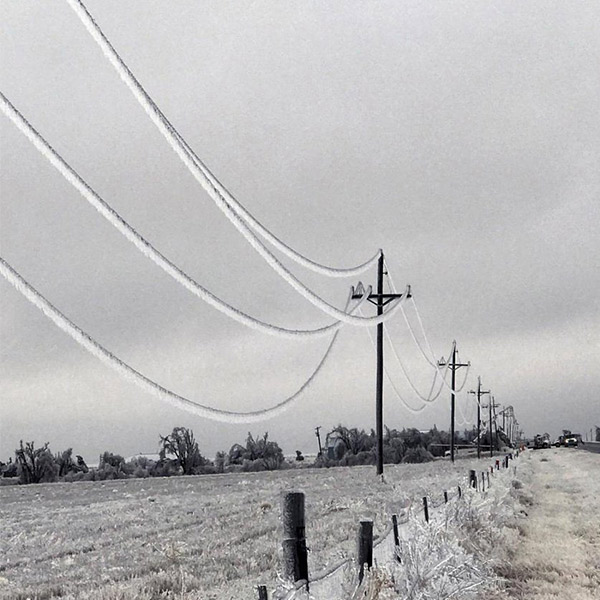
Energy-focused think tank OurEnergyPolicy released a set of principles stressing the importance of reliability in the clean energy transition.
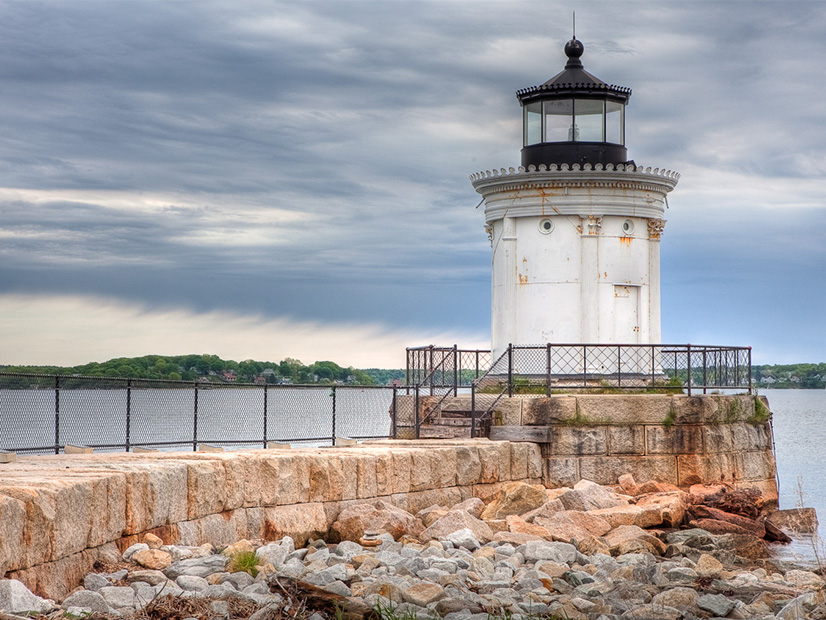
Roger H. Goun, CC BY-SA-2.0, via Wikimedia
Maine’s offshore wind port study includes a review of the Port of Searsport and a second, wider review of statewide port facilities.
DOE and NREL
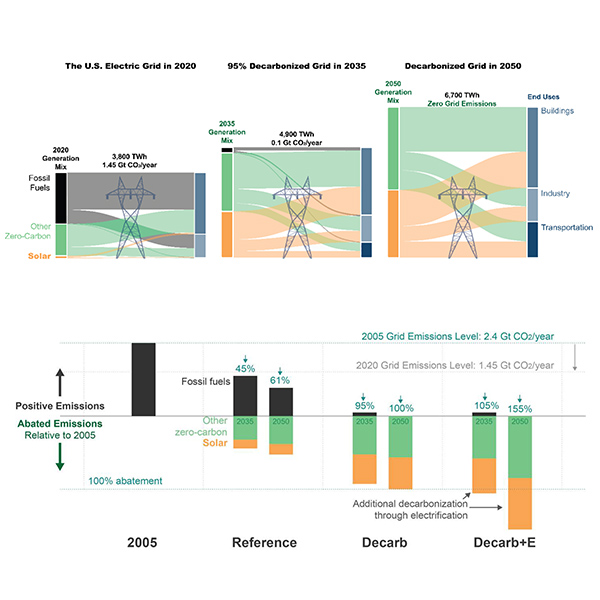
DOE's Solar Futures Study sees a "unique and central" role for solar in grid decarbonization but calls for cost cuts and new approaches for transmission.
Want more? Advanced Search