Transportation Decarbonization
Airplane DecarbonizationEV chargersHeavy-duty vehiclesBattery Electric Buses (BEB)Fuel Cell Electric Buses (FCEB)Light-duty vehiclesBattery Electric VehiclesFuel Cell VehiclesPlug-in hybrid electric vehiclesShip electrificationClean Ports
New Jersey Department of Environmental Protection
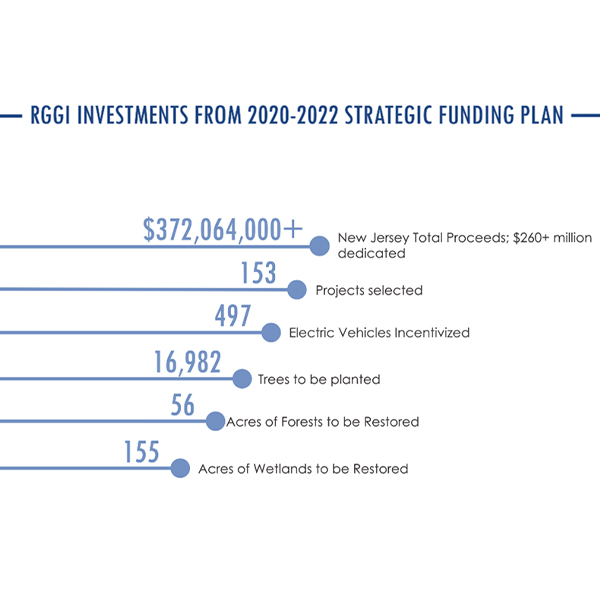
New Jersey has been slow to spend Regional Greenhouse Gas Initiative funds since returning to the program but is taking steps to speed up the process.
GM
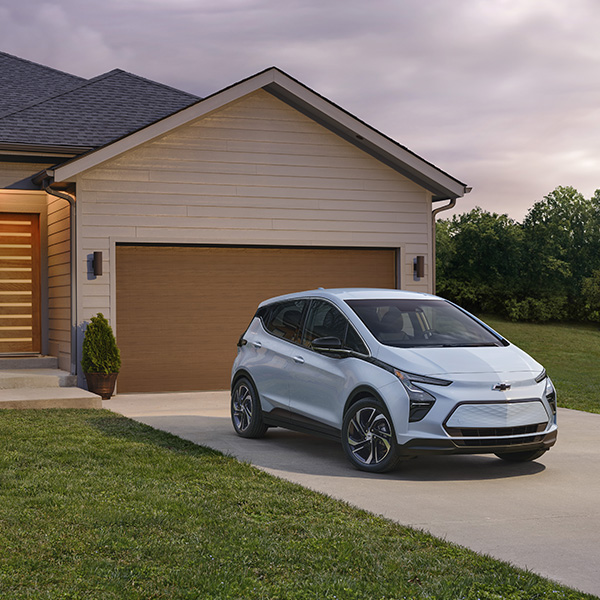
The Treasury Department's revised list of EVs qualifying for federal tax credits provided mixed news for U.S. and foreign automakers and prospective buyers.

Shutterstock
The awards will fund producers of smart conductors, heat pumps, energy-producing windows and technology to detect flaws during batter manufacturing.
Shutterstock
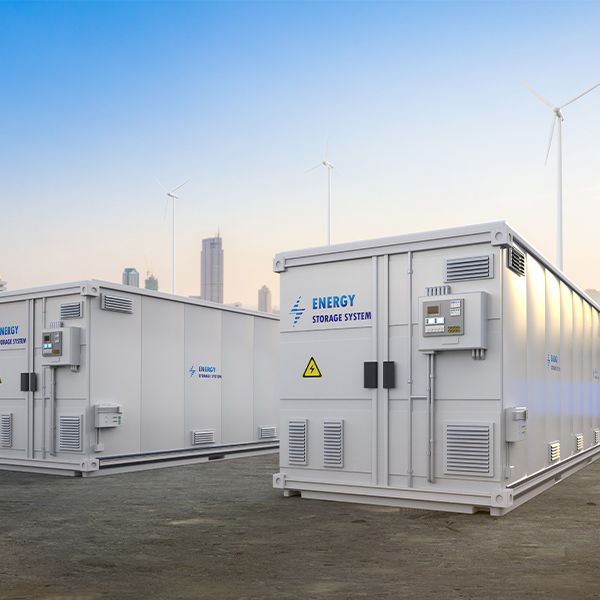
In addition to the POWER Act, Maryland also approved bills aimed at growing markets for energy storage, community solar and zero-emission heavy-duty trucks.
CAAFI
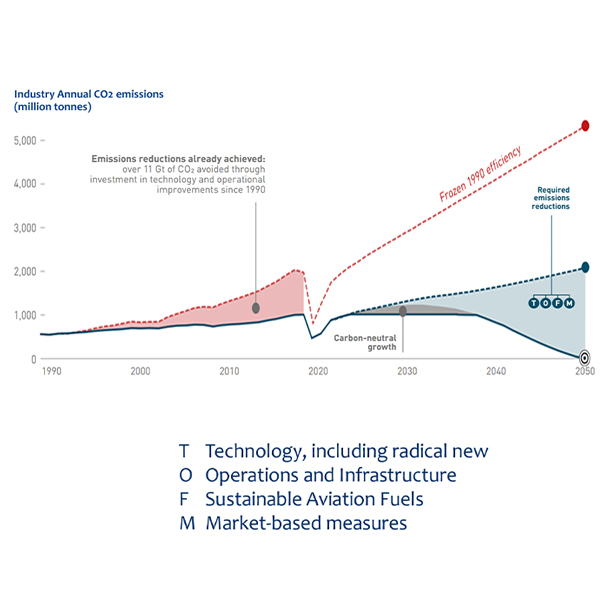
U.S. commercial aviation is charting an ambitious flight plan to net-zero emissions by 2050 using synthetic liquid fuels rather than batteries or fuel cells.
EPA
EPA released proposed rules ramping up emissions requirements for cars and trucks, which are expected to drive electrification of the transportation sector.

Shutterstock
EPA will propose new emission standards for cars and trucks that could lead to two-thirds of total light-duty vehicles sold in 2032 being electric.

Sierra Club - Rio Grande Chapter
Gov. Michelle Lujan Grisham vetoed large portions of a tax package, cutting out tax credits for EVs, energy storage systems and geothermal electricity production.
PNNL
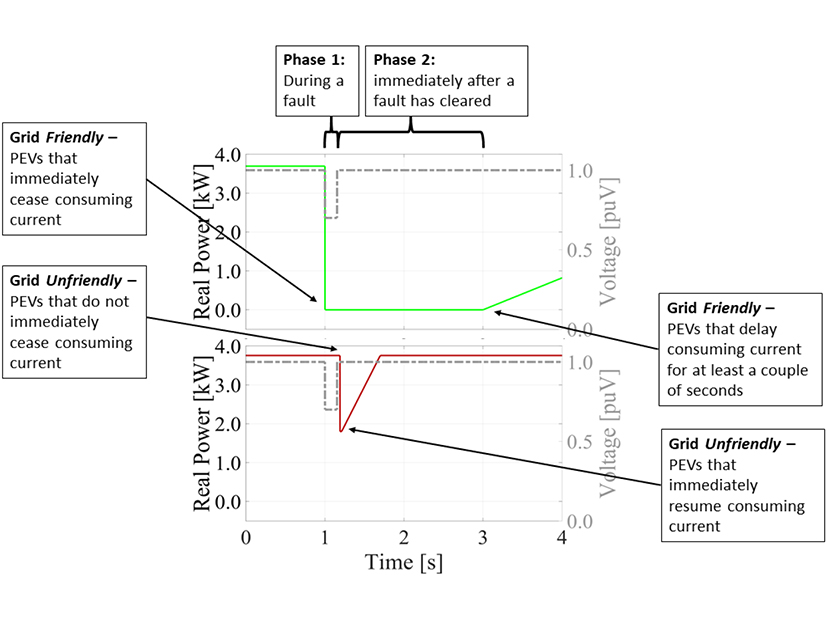
A new report suggests that electric utilities and the EV industry need to work together to address the charging behavior of EVs during grid disturbances.
NACFE
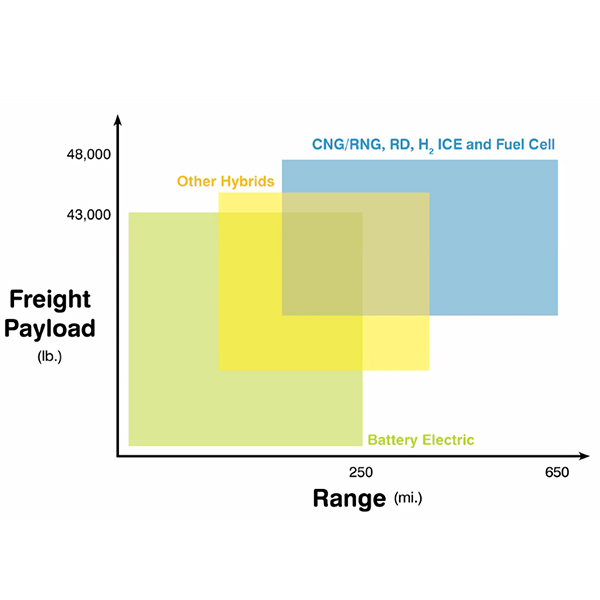
The North American Council for Freight Efficiency has concluded that hydrogen will be a factor in long-distance heavy-duty trucking.
Want more? Advanced Search