Transportation Decarbonization
Airplane DecarbonizationEV chargersHeavy-duty vehiclesBattery Electric Buses (BEB)Fuel Cell Electric Buses (FCEB)Light-duty vehiclesBattery Electric VehiclesFuel Cell VehiclesPlug-in hybrid electric vehiclesShip electrificationClean Ports

© RTO Insider LLC
The two people who had the broadest, deepest impacts on federal energy policy in 2022 were undoubtedly Energy Secretary Jennifer Granholm and Sen. Joe Manchin.
The White House
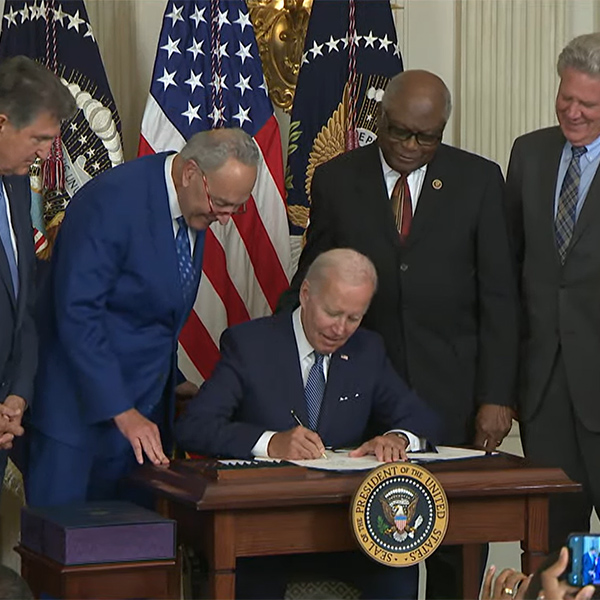
The biggest clean energy story of 2022 was passage of the Inflation Reduction Act, rising improbably from the ashes of President Biden’s Build Back Better Act.
Architectural Resources Group
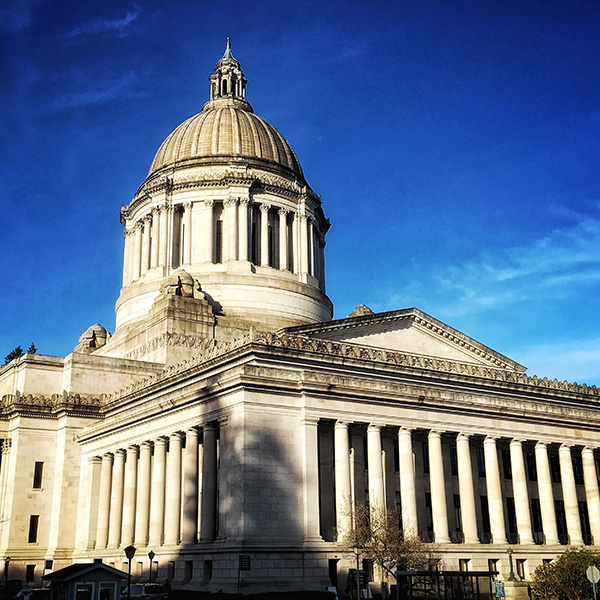
Washington’s 2023 legislature will offer less revolutionary climate action compared with previous years, but many environmental bills are still in the works.
CARB
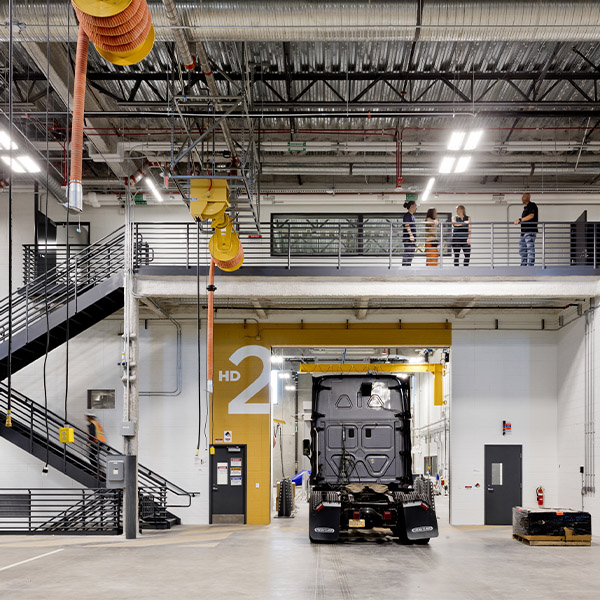
California agency to approve new emission rules on heavy-duty vehicles, refine LCFS and consider establishing a permanent environmental justice committee.
Talon Metals
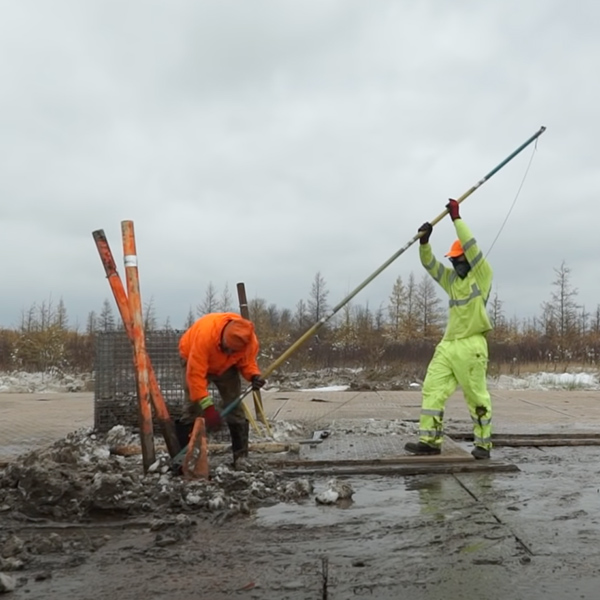
A big roadblock to developing a domestic supply chain for minerals critical to clean energy technology is the General Mining Act of 1872, says Tommy Beaudreau.
Shared-Use Mobility Center
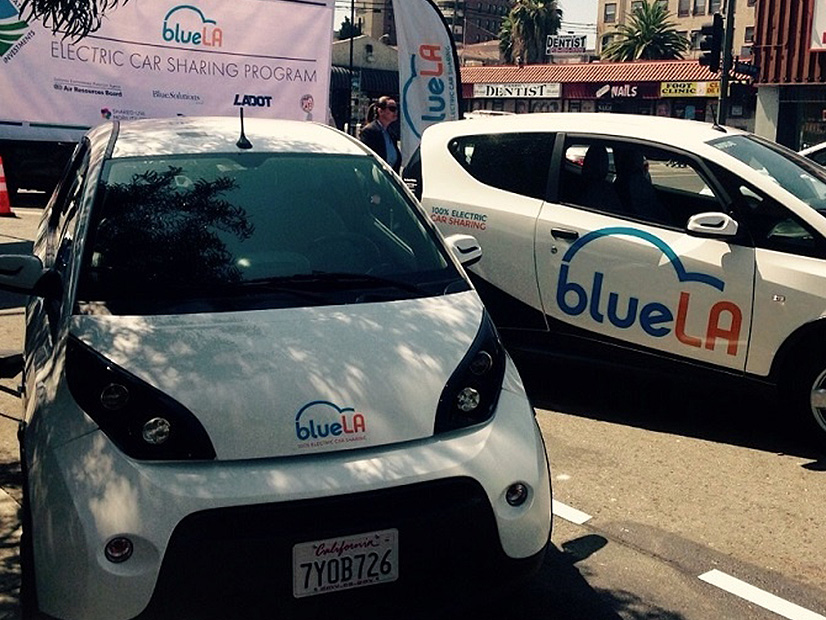
When trying to incorporate equity into EV programs, simply placing a charger in a disadvantaged community is not enough, speakers said during a Western summit.
State of New Jersey
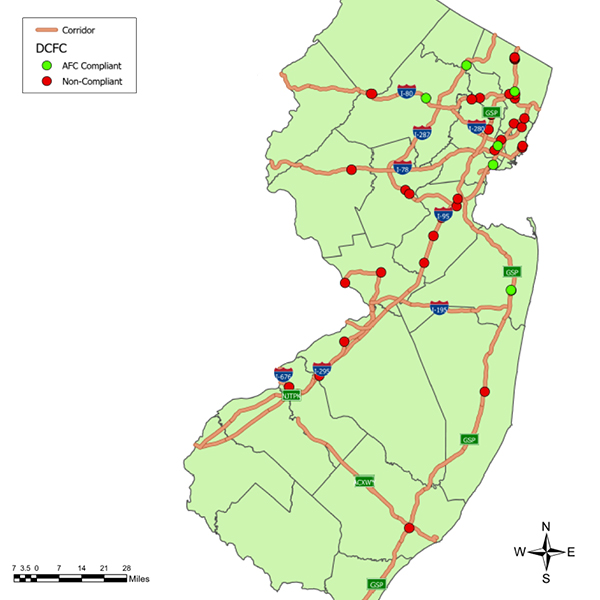
New Jersey’s plan for spending $104 million in funds from the National Electric Vehicle Infrastructure program faced a barrage of stakeholder questions.
Shutterstock
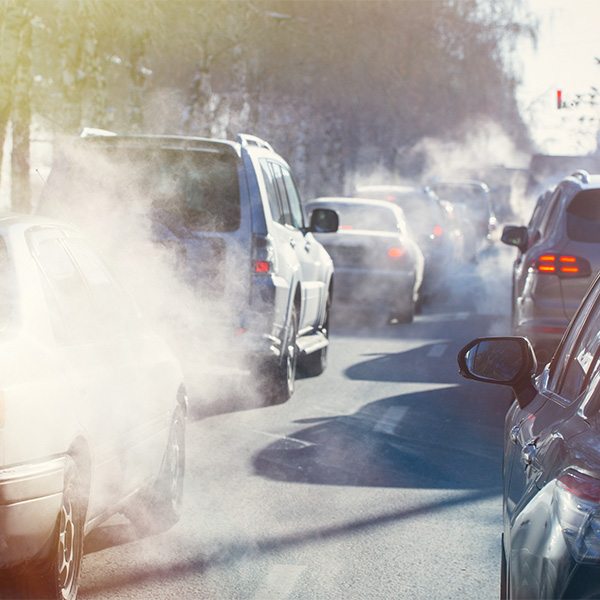
The Oregon Environmental Quality Commission voted to adopt California's Advanced Clean Car II rules banning the sale of gas-powered passenger vehicles by 2035.
Shutterstock
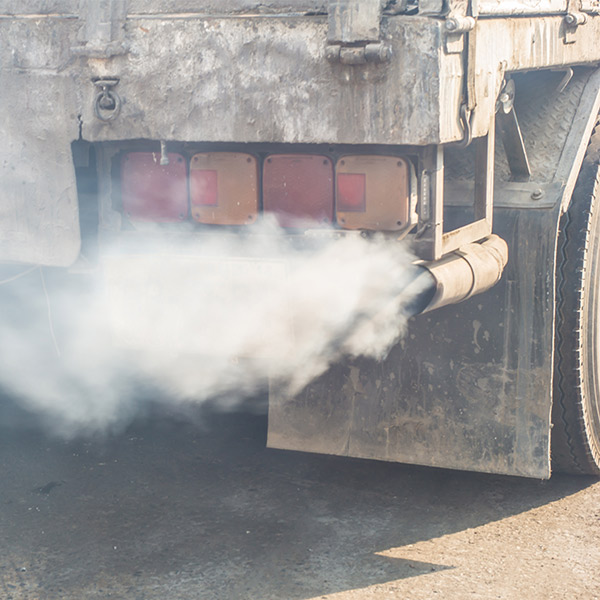
The EPA announced tough new emission standards for heavy-duty vehicles: cleaner trucks but not until the 2027 model year and not completely clean until 2045.
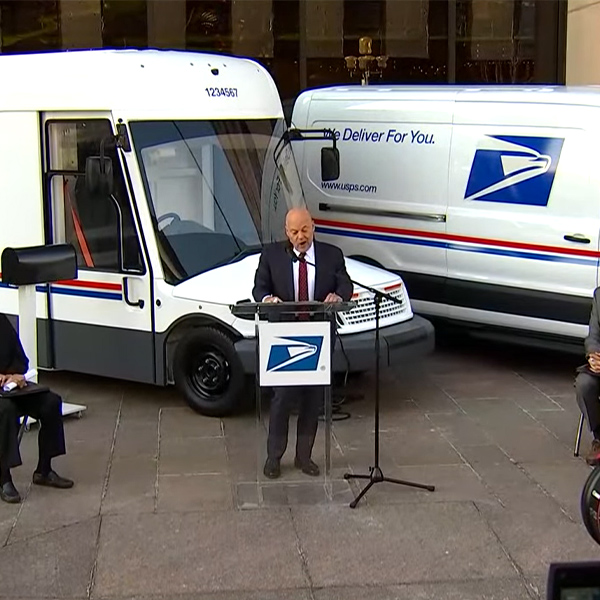
WUSA9
Ending a battle with a Trump holdover, the Biden administration announced that the U.S. Postal Service will procure 66,000 battery electric vehicles.
Want more? Advanced Search