Transportation Decarbonization
Airplane DecarbonizationEV chargersHeavy-duty vehiclesBattery Electric Buses (BEB)Fuel Cell Electric Buses (FCEB)Light-duty vehiclesBattery Electric VehiclesFuel Cell VehiclesPlug-in hybrid electric vehiclesShip electrificationClean Ports
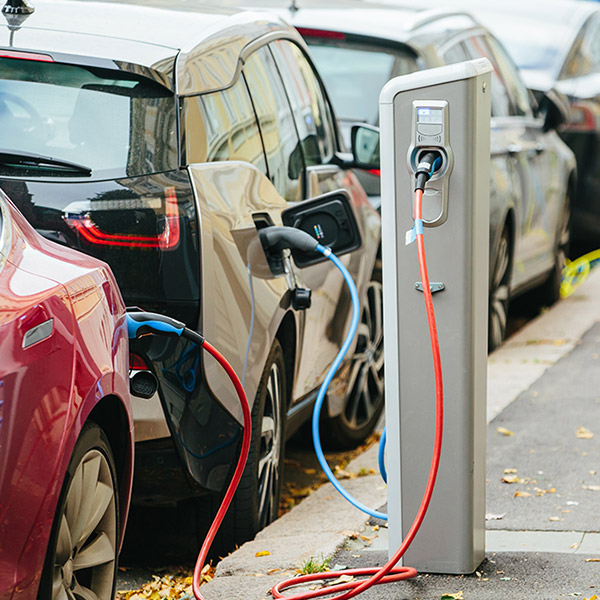
Shutterstock
N.C. Gov. Roy Cooper signed on to a letter to President Biden, urging “all new passenger cars and light-duty trucks sold are zero-emission no later than 2035.”
Washington’s climate change bills will not go into effect until the legislature passes a transportation budget. No one is quite sure when that will be.
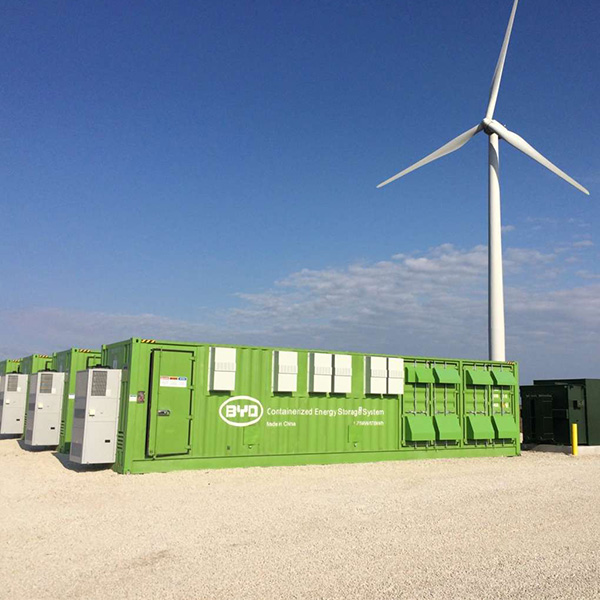
BYD
More than 40 electric industry professionals, regulators and academics joined the second EnVision Forum, sponsored by FERC and Virginia Tech.
The need for uniform EV charging standards and the limits of state efforts to price carbon highlighted FERC’s technical conference on electrification.
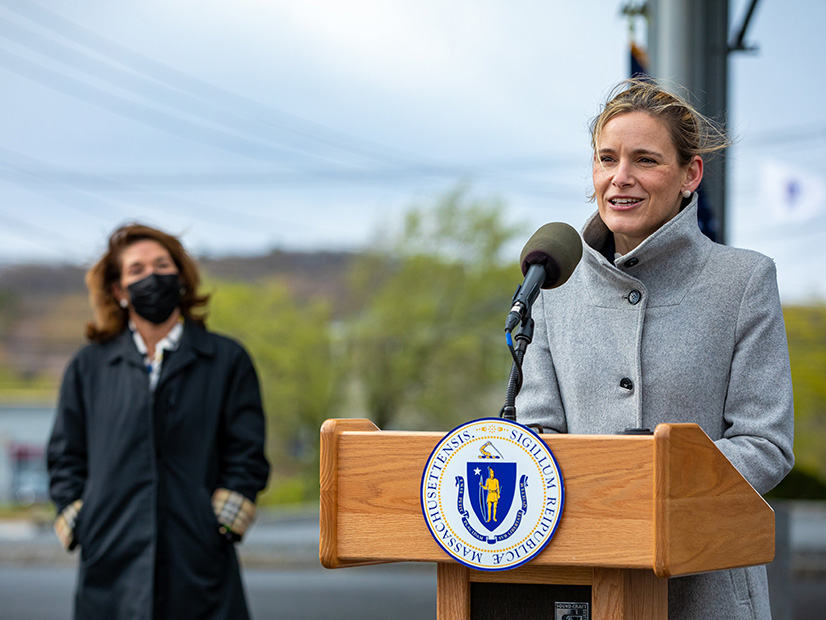
A grant program for electrifying fleets in Massachusetts will help medium- and heavy-duty fleets expand, but there are technological limits.
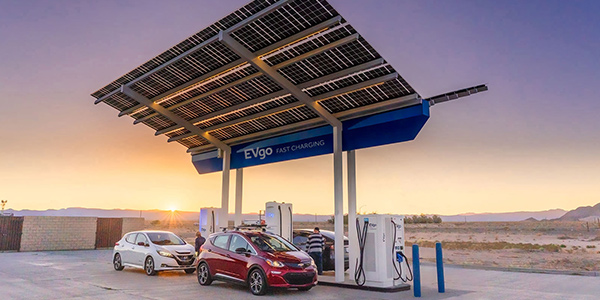
EVgo
A new study showed that about one in five Californians who bought a plug-in electric vehicle between 2012 and 2018 later discontinued their EV ownership.
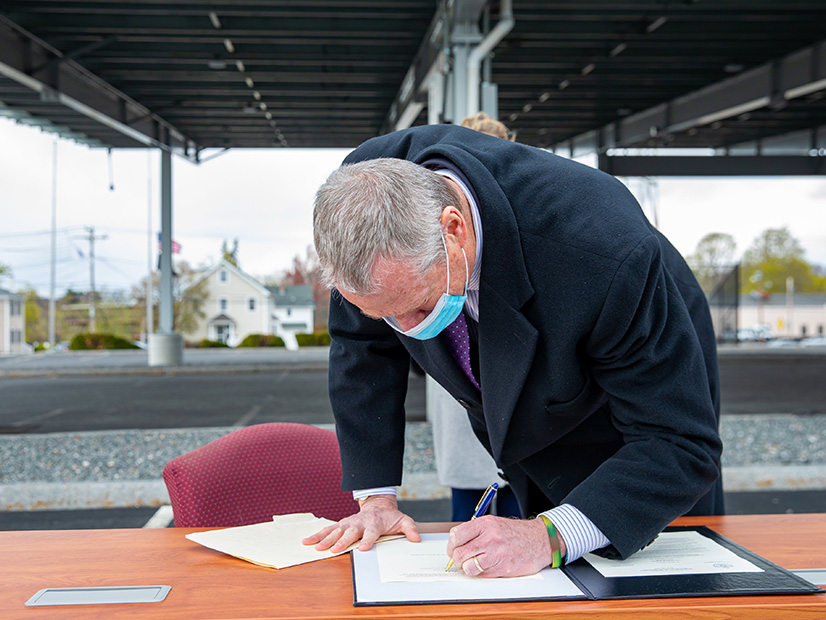
Governor Charlie Baker has directed government agencies in Massachusetts to purchase only zero-emission vehicles starting next year.
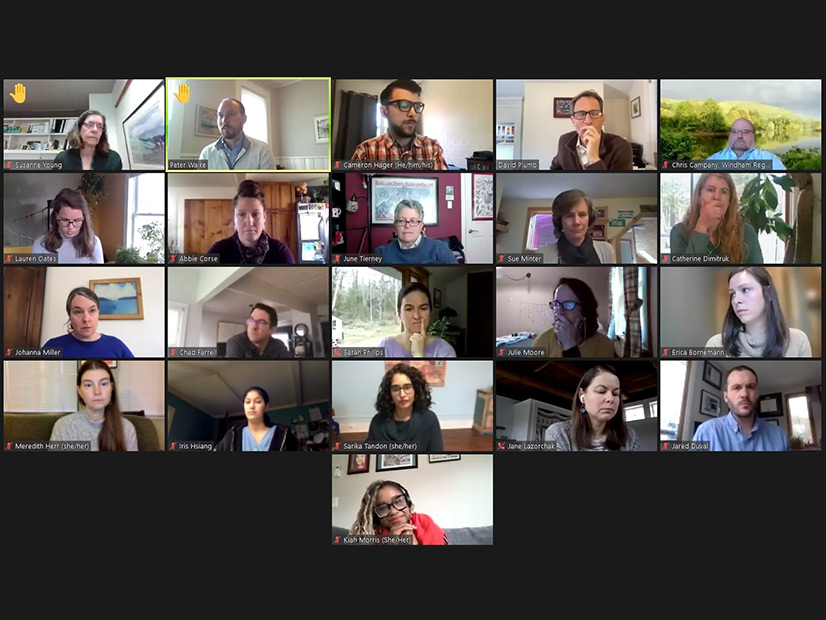
The Vermont Climate Council could reinterpret its statutory obligations to delay delivery of the state's first climate action plan.

Washington’s legislature passed a low-carbon fuel standard bill that will require refiners to reduce the carbon in motor fuels sold in state.
Passage of the pending climate change adaptation bill will help Connecticut tap into future federal infrastructure funding.
Want more? Advanced Search