Transportation Decarbonization
Airplane DecarbonizationEV chargersHeavy-duty vehiclesBattery Electric Buses (BEB)Fuel Cell Electric Buses (FCEB)Light-duty vehiclesBattery Electric VehiclesFuel Cell VehiclesPlug-in hybrid electric vehiclesShip electrificationClean Ports
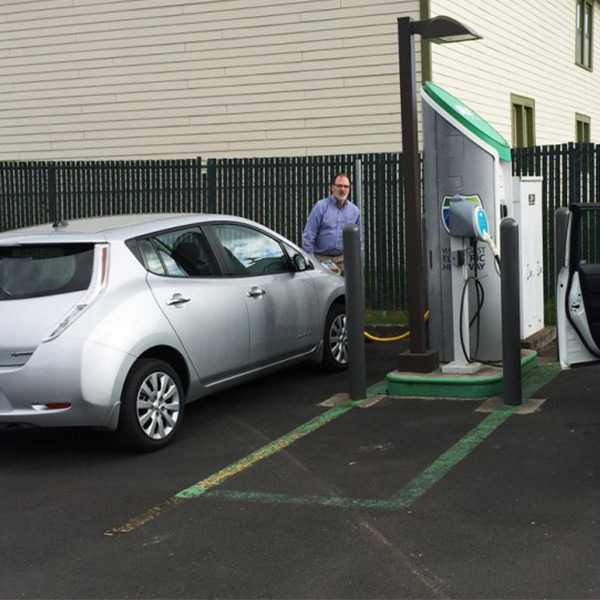
Infrastructure is the main concern facing two Washington bills that propose to switch the state’s auto market to only electric vehicles by 2030.
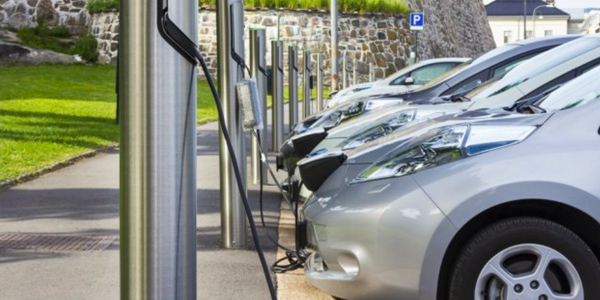
The American Council for an Energy Efficient Economy released its first-ever State Transportation Electrification Scorecard.
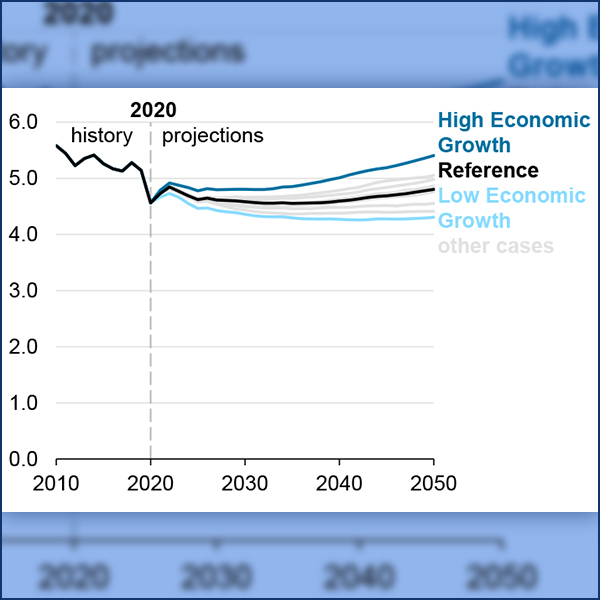
Electricity demand will return to pre-COVID levels by 2025 while total energy consumption will likely lag until at least 2029, the EIA said.

Maine's Office of Policy Innovation and the Future said solar and offshore wind energy siting will be among the state legislature's environmental priorities
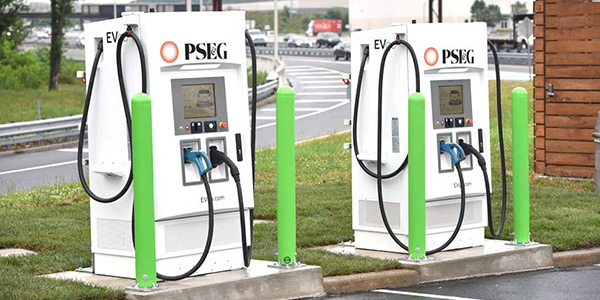
The New Jersey BPU approved a settlement trimming PSE&G's proposed electric vehicle infrastructure program to $205 million over six years.
MISO will ask FERC for more time to plan the complicated process of opening its markets to distributed energy resource aggregators, RTO officials said.
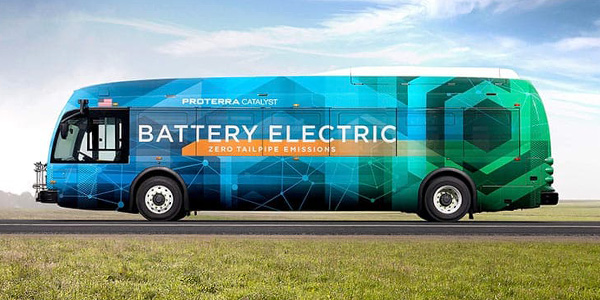
A report by the Rocky Mountain Institute says that successful electrification of fleets will influence the rest of the transportation sector.
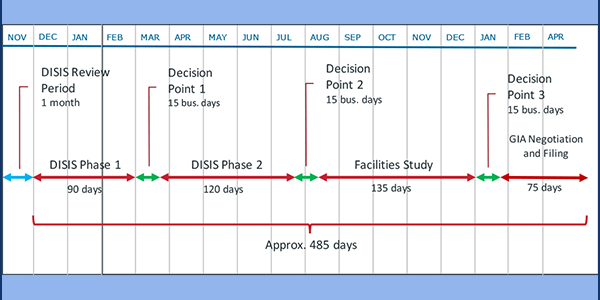
SPP staff unveiled a proposed mitigation plan to reduce the four-year backlog in the RTO’s generation interconnection queue.
California Gov. Gavin Newsom proposed investing $1.5 billion in zero-emission vehicles to accelerate their adoption as part of his $227 billion budget plan.
NYDPS
New York made considerable progress this year in its efforts to decarbonize its economy and spread benefits to disadvantaged communities despite COVID-19.
Want more? Advanced Search