State and Local Policy
AlabamaArizonaCaliforniaCA LegislationCalifornia Air Resources Board (CARB)California Energy Commission (CEC)California Public Utilities Commission (CPUC)ColoradoConnecticutDelawareDistrict of ColumbiaFloridaGeorgiaHawaiiIdahoIllinoisIndianaKentuckyLouisianaMaineMarylandMassachusettsMichiganMinnesotaMississippiMissouriMontanaNevadaNew HampshireNew JerseyNew MexicoNew YorkNYSERDAPublic Service CommissionNorth CarolinaNorth DakotaOhioOntarioOregonPennsylvaniaRhode IslandSouth CarolinaTennesseeTexasUtahVermontVirginiaWashingtonWest VirginiaWisconsinWyoming
Shutterstock
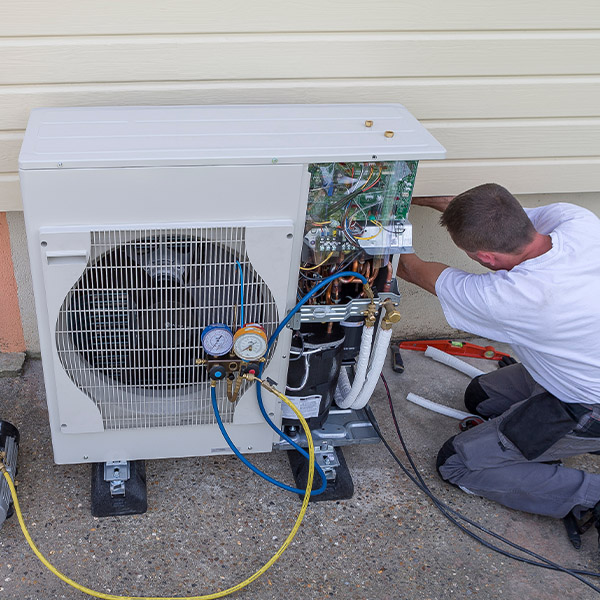
Maryland residents can benefit from the rollout of heat pumps the most by targeting state funds for low-income customers, according to a report released by the Sierra Club’s Maryland Chapter and the Center for Progressive Reform.

© RTO Insider LLC
Two and a half years after taking the helm at the Massachusetts DPU, Chair Jamie Van Nostrand is leaving after leading it through a series of major changes in its approach to natural gas regulation.

Shutterstock
The California Energy Commission approved $42 million for five offshore wind projects at ports in the state, despite recent federal policy changes that have left the future of the renewable resource in limbo.
OPPD
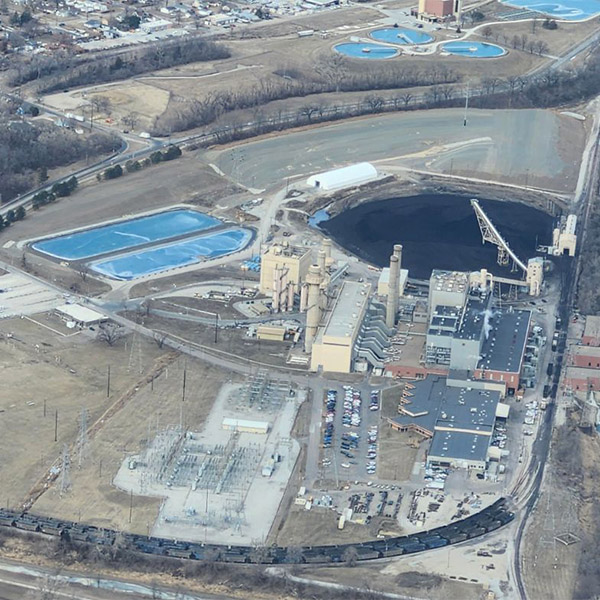
Nebraska’s attorney general is suing the state’s largest electric utility in an attempt to block partial retirement of an aging coal- and gas-fired power plant.

Shutterstock
The New Jersey Board of Public Utilities is looking to stimulate energy-efficient construction with a new program that offers a simpler incentive application process and incentives of up to $2.50/square foot of construction.
Acadia Center
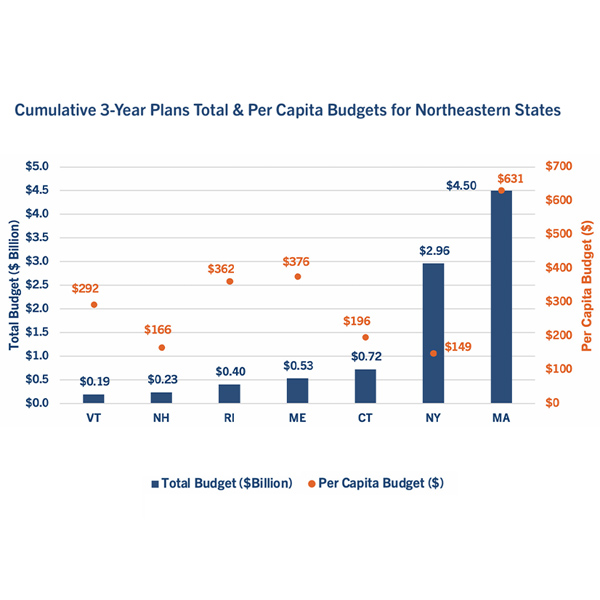
Projected energy efficiency investments in New England over the next three years will generate an estimated $19.3 billion in lifetime benefits, returning $2.93 for every dollar spent, according to new analysis by the Acadia Center.
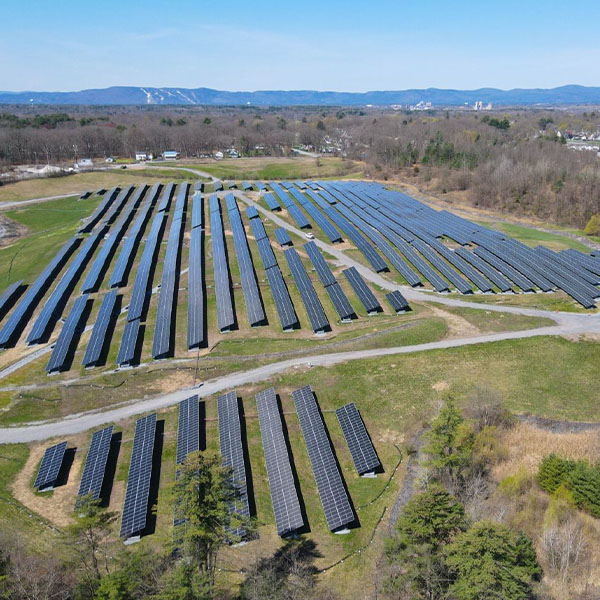
GreenSpark Solar
New York is planning a step back and a change of focus for a renewables program that never gained traction in the five years since it was launched.
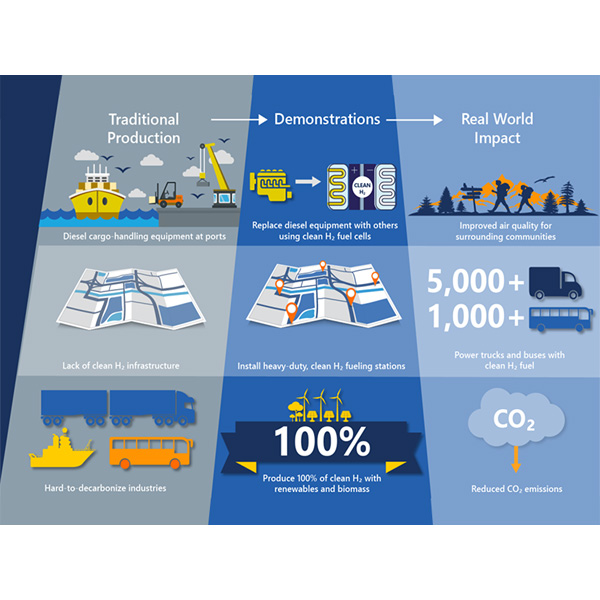
DOE
The U.S. Department of Energy has terminated 321 grants totaling $7.56 billion for 223 projects, apparently targeting Democratic-leaning states.

Duke Energy
Duke Energy filed its long-range plan with the North Carolina Utilities Commission, calling for more natural gas-fired generation and batteries while keeping existing coal plants online to meet accelerated demand for electricity.
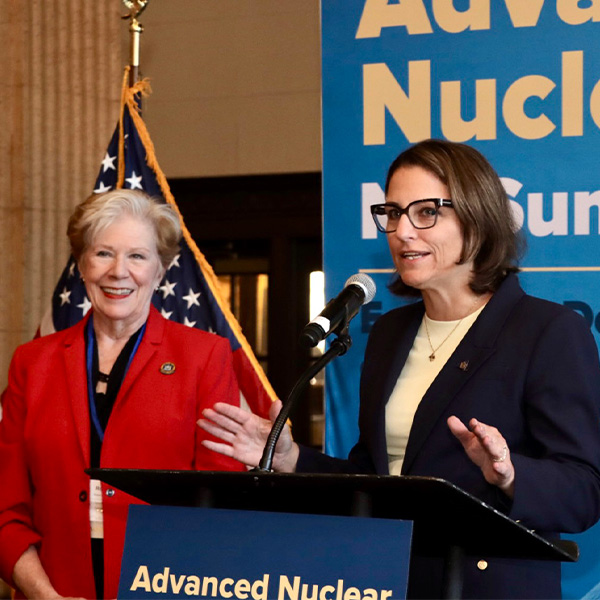
NYSERDA
New York's summit reflected the state’s growing interest in nuclear technology and in its promise of emissions-free baseload power.
Want more? Advanced Search