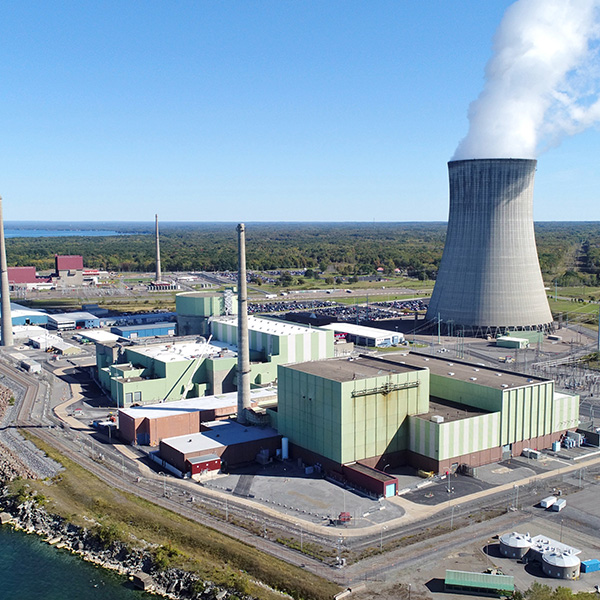
NYPA has begun to sound out developers on how they would partner to build advanced nuclear reactors and sound out communities on why they would be the right place to do it.
A coalition of municipal officials and climate advocates in Massachusetts are renewing a push for the expansion of a state program allowing a select number of municipalities to ban fossil fuel hookups in new building construction and renovation projects.
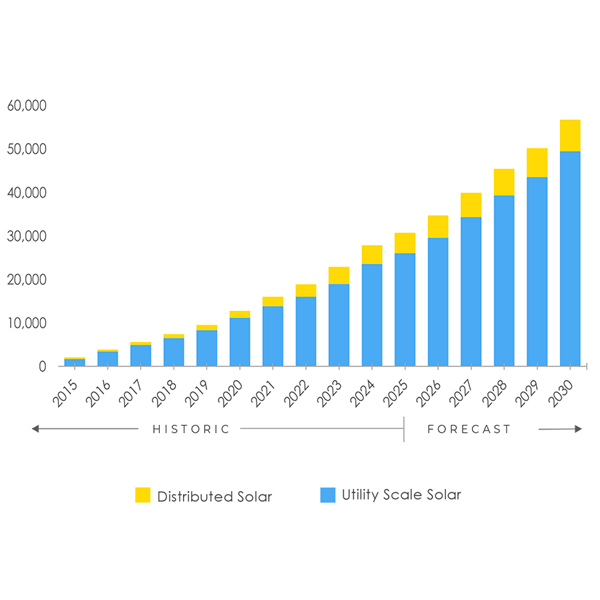
Solar power generation will expand strongly but not uniformly in Southeast states through the 2020s, the Southern Alliance for Clean Energy says in its annual solar report.
All seven clean energy technologies evaluated for a new report might someday help New York reach its decarbonization goals, but each would require innovation and support to reach that potential.
IESO is considering ways to grow Ontario’s economy and secure its energy supply without relying on trade with its U.S. neighbors, just as President Donald Trump launched another salvo in his ongoing trade war on Canada.
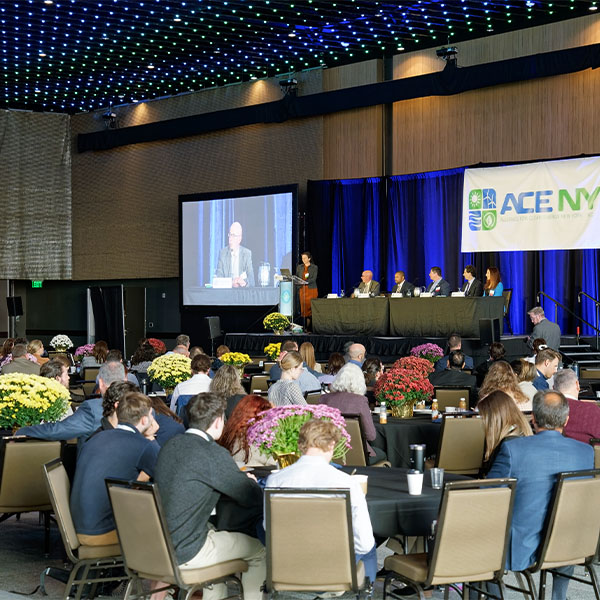
State policymakers and industry leaders at the Alliance for Clean Energy New York’s Fall Conference offered messages of full support even as they acknowledged the federal roadblocks thrown in their path.
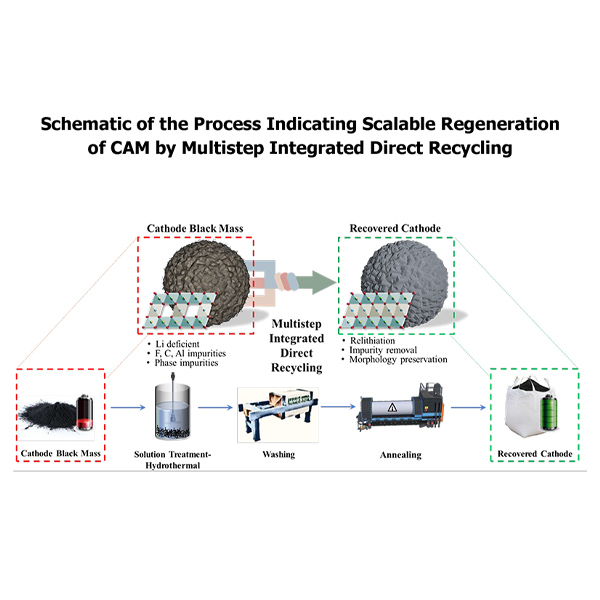
A research team in San Diego has developed a new method for recycling lithium-ion batteries in California as electric vehicle and energy storage sales boom across the world.
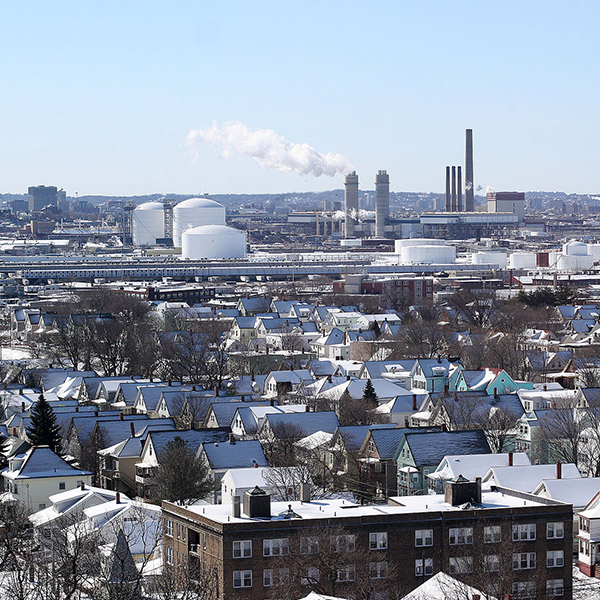
A relatively small project aiming to increase gas pipeline capacity into New England is raising larger underlying questions about how the region will balance gas reliability and affordability with longer-term efforts to transition away from natural gas.
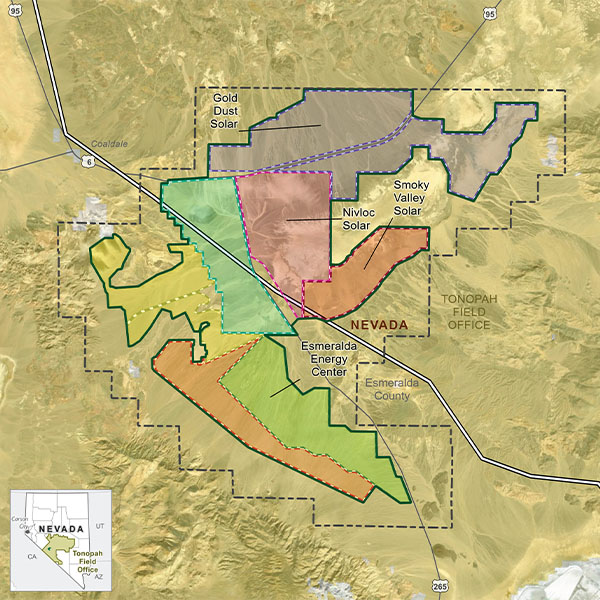
The fate of a 6.2-GW cluster of solar energy projects in western Nevada is uncertain following the Bureau of Land Management’s decision to break the group into individual projects for review.
New Jersey is evaluating a request by two solar companies to change state rules to allow out-of-state solar electricity generators to receive renewable energy certificates.