FERC & Federal
The Federal Energy Regulatory Commission is an independent regulatory agency that oversees the transmission of electricity, natural gas and oil in interstate commerce, as well as regulating hydroelectric dams and natural gas facilities.

The FERC commissioners who approved NEPOOL as ISO-NE’s stakeholder body in 2004 were unaware at the time that it barred the press from its meetings.

FERC has granted the PJM request to delay its annual Base Residual Auction to Aug. 14-28, 2019.
NEPOOL
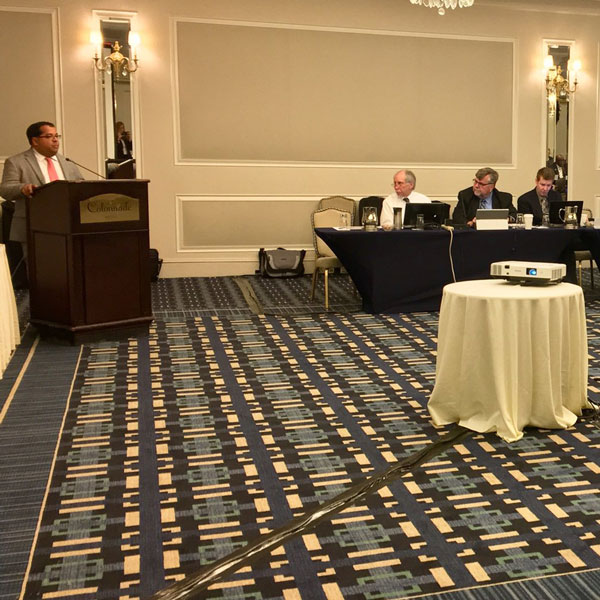
RTO Insider filed a complaint asking FERC to overturn the New England Power Pool’s ban on press coverage of its meetings.
LA.gov
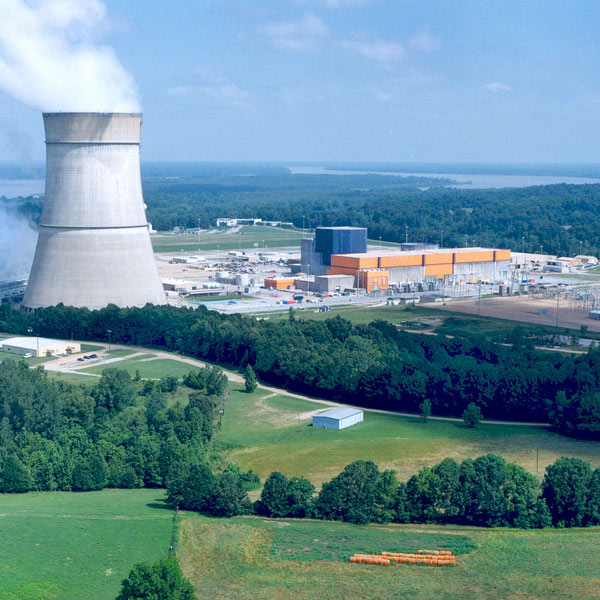
FERC approved portions of a Louisiana Public Service Commission complaint against Entergy subsidiaries System Energy Resources Inc. and Entergy Services.
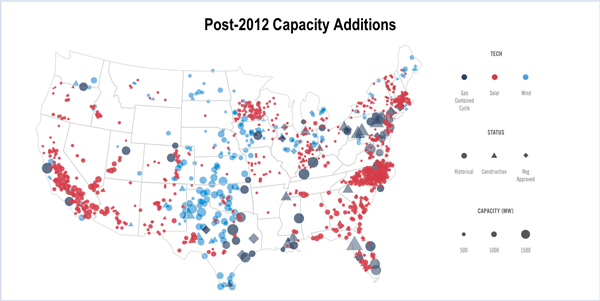
The replacement for the Clean Power Plan (CPP) - Affordable Clean Energy (ACE) - won't provide much relief for the coal industry, according to analysts.
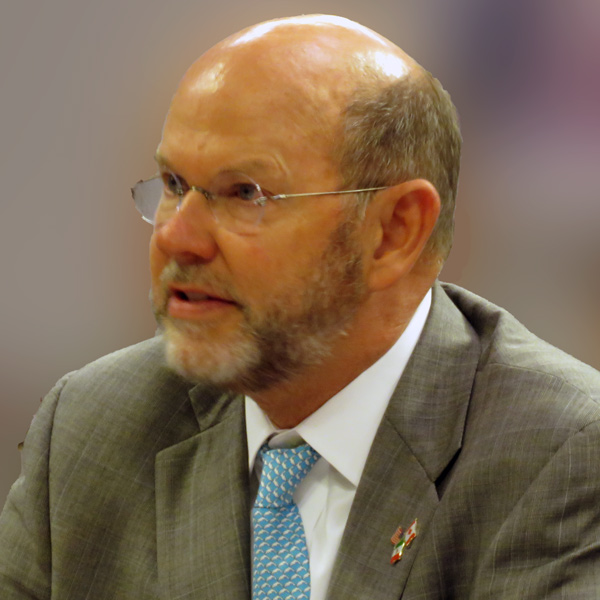
NERC CEO Jim Robb said his organization is sidestepping politics and striving to maintain its independence from industry.
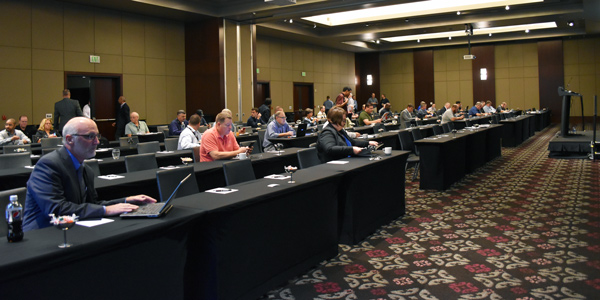
© RTO Insider
The three-day NAES-NERC conference touched on EPA’s replacement for the Clean Power Plan, the debate over grid resilience and cybersecurity.
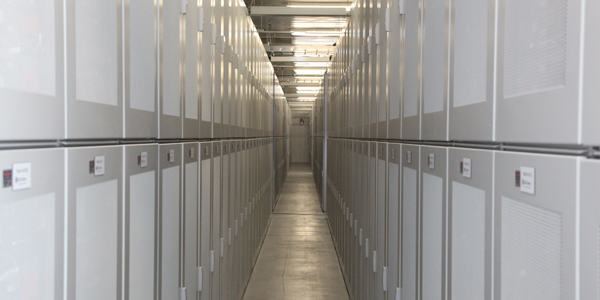
SoCal Edison
FERC denied Southern California Edison’s proposal to treat its energy storage customers differently from its retail and wholesale ratepayers.
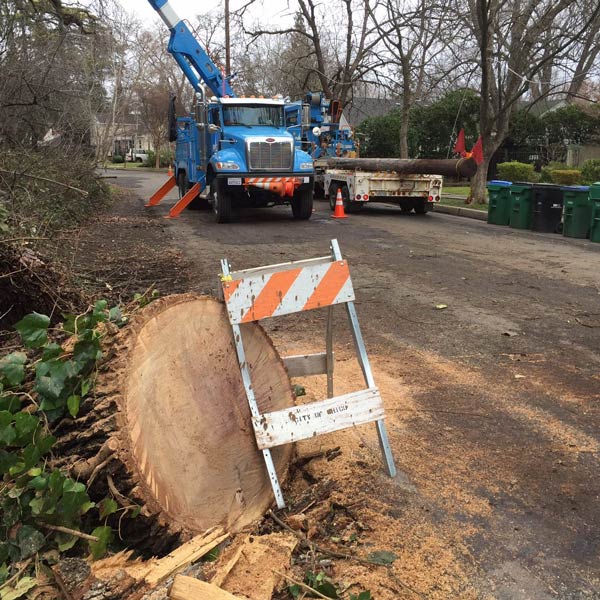
PG&E
FERC instructed Pacific Gas and Electric and the California Public Utilities Commission (CPUC) to brief it on whether Cal. law allows PG&E to quit CAISO.
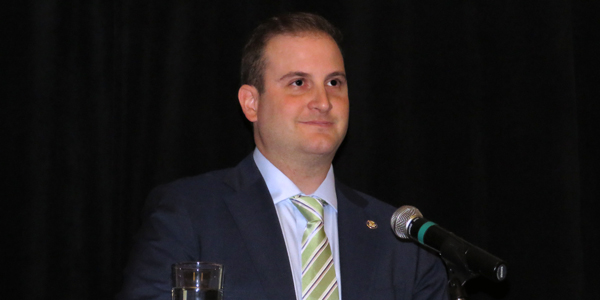
The House and Senate energy committees sent FERC Chairman Kevin McIntyre a letter concerning “highly partisan political remarks” made by Anthony Pugliese.
Want more? Advanced Search