
Markets

Rainbow Energy Center
A trade group representing multiple MISO power producers has lodged a complaint against retroactive pricing revisions in MISO’s 2025/26 capacity auction, joining Pelican Power in calling the repricing unlawful.
Shutterstock
MISO ended its 10-year run allowing energy efficiency in its capacity market, as FERC allowed the change to take effect.
ERCOT
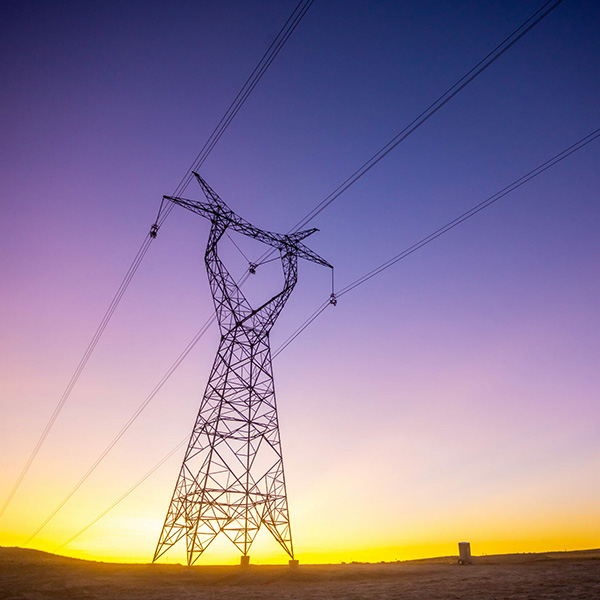
ERCOT’s Board of Directors has approved staff’s proposed 765-kV Eastern Backbone project and its $9.4 billion capital cost price tag, making it the most expensive project in the grid operator’s history.

© RTO Insider LLC
MISO and its Monitor tracked a rise in energy consumption in fall 2025 and reviewed some operational rough patches, while the RTO explained why its machine-learning risk predictor remains a work in progress.
ISO-NE
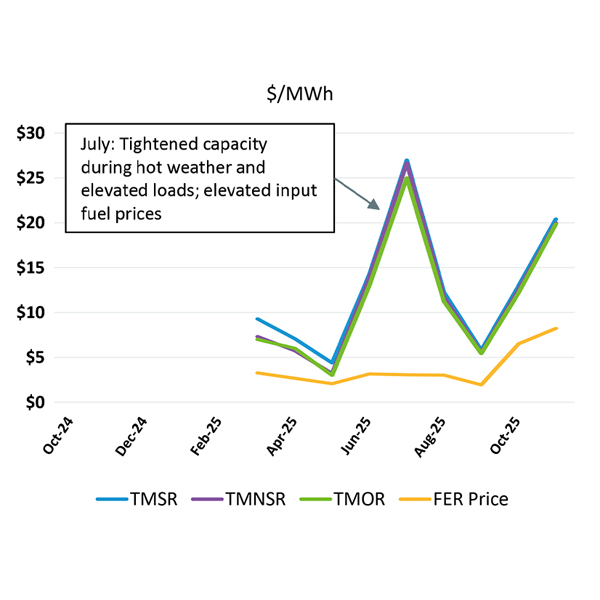
ISO-NE’s new day-ahead ancillary services market added about $258 million in incremental costs between March and August, equal to 7.6% of total energy market costs.

Google
Reply comments to the Department of Energy’s Advance Notice of Proposed Rulemaking to FERC on large loads offered differing paths for the commission to potentially take.
Analysis Group
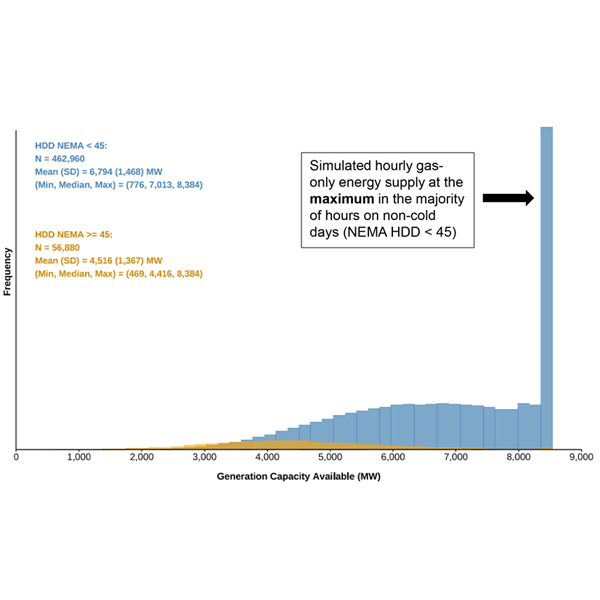
ISO-NE continued work on the second phase of its Capacity Auction Reform project, discussing modeling of the region’s gas constraints, seasonal auction design and its approach to evaluating the impacts of the auction changes.
Quanta Infrastructure Solutions Group
CAISO and SPP have made “significant progress” on adapting existing tools to tackle seams between the two entities’ respective day-ahead markets, according to a CAISO representative.

Stantec
Louisiana-based power generator Pelican Power is the first to register a complaint over MISO’s yearslong miscalculation in its capacity auctions in an effort to stop the RTO’s retroactive pricing corrections.

PJM
PJM’s forecasting of hourly peak loads continued to improve in November, with an error rate of just 1.17%, staff told the RTO’s Operating Committee.
Want more? Advanced Search
