
Markets

© RTO Insider
Among other issues, PJM presented a quick fix proposal to address instances in which offline generators are committed as secondary reserves and granted lost opportunity cost credits.
Power Advisory
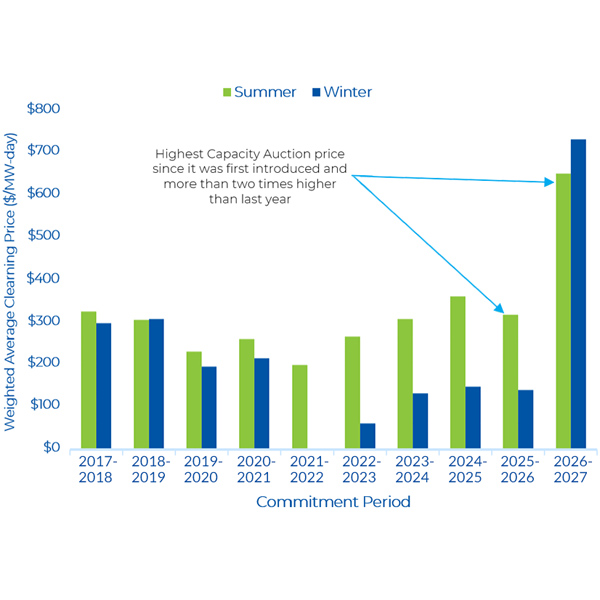
IESO says record-high clearing prices in its capacity auction will have little impact on ratepayers because the ISO's medium- and long-term procurements play a larger role in the region’s resource adequacy.

© RTO Insider
Raab Associates held its final New England Electricity Restructuring Roundtable, bringing reflections from speakers about the legacy of restructuring and the future of the power sector in the region.
U.S. Army Corps of Engineers
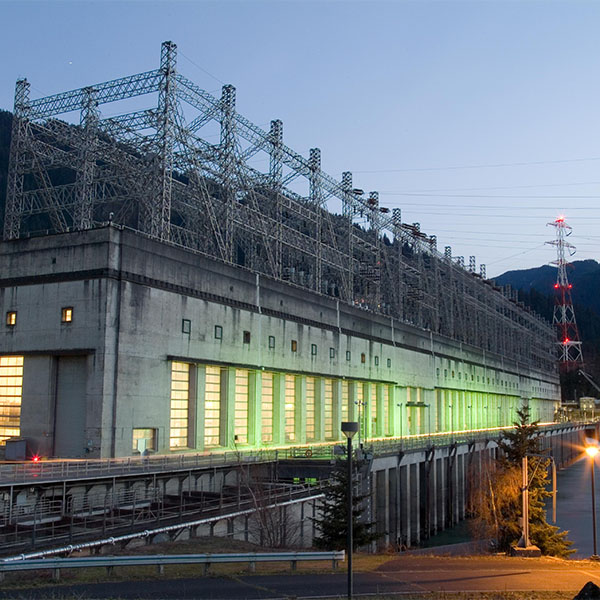
As the Bonneville Power Administration prepares to join Markets+, the agency hopes to complete the initial program governance setup and define its commercial model for market participation in early 2026.
© RTO Insider LLC
ERCOT says it has successfully deployed Real-time Co-optimization + Batteries into the market, a mechanism used in most other RTOs and ISOs that procures energy and ancillary services in real time.

© RTO Insider
An increasing political anxiety around energy affordability permeated debates about wholesale market changes, federal policy and demand growth at the annual New England Energy Summit.
© RTO Insider
The NYISO Market Monitoring Unit told the Installed Capacity Working Group that more data is necessary to verify the need for out-of-market actions on the part of transmission owners for reliability.
CAISO
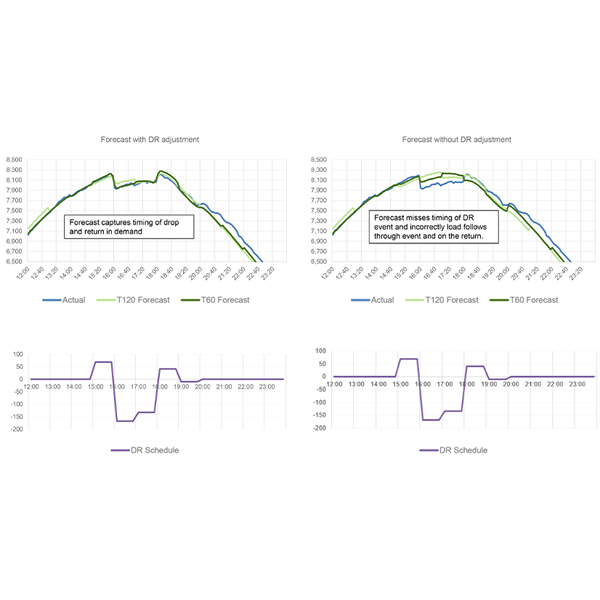
A new CAISO paper lays out a series of challenges around how to improve participation of demand response and distributed energy resources in the ISO's day-ahead and real-time markets.
© RTO Insider
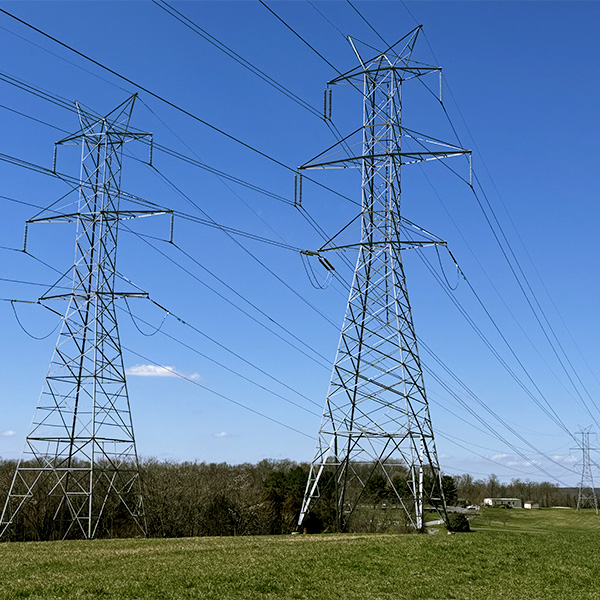
Discussion about potential changes to the NYISO demand curve reset process dominated a recent Installed Capacity Working Group meeting and will likely take up more oxygen in stakeholder meetings throughout the coming year.
Granite Shore Power
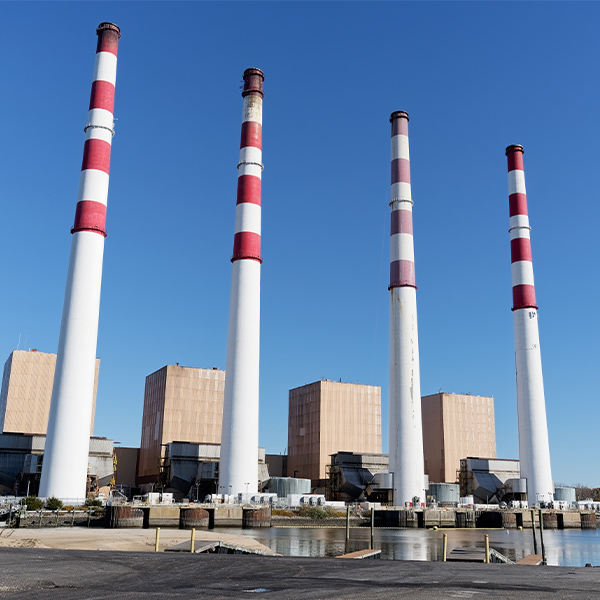
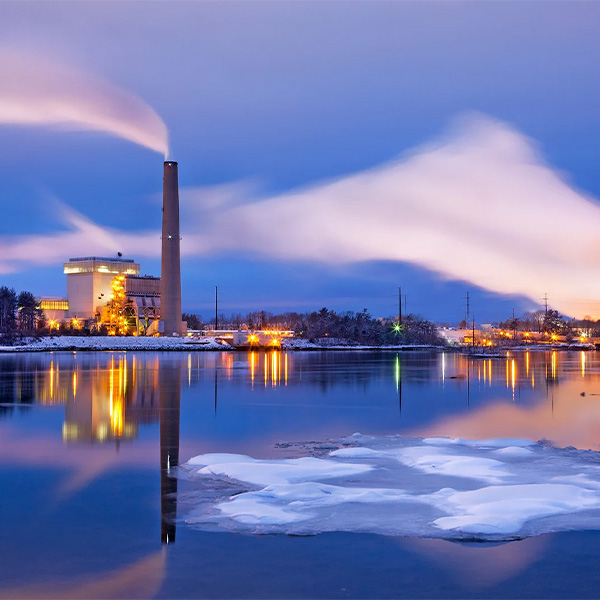
In New England, increasing winter reliability concerns are driving questions about how long the region’s aging fleet of oil-fired power plants can, or should, remain on the system.
Want more? Advanced Search
