Markets

FERC affirmed its 2018 ruling approving MISO’s current resource adequacy construct, rejecting multiple rehearing requests from critics of the decision.
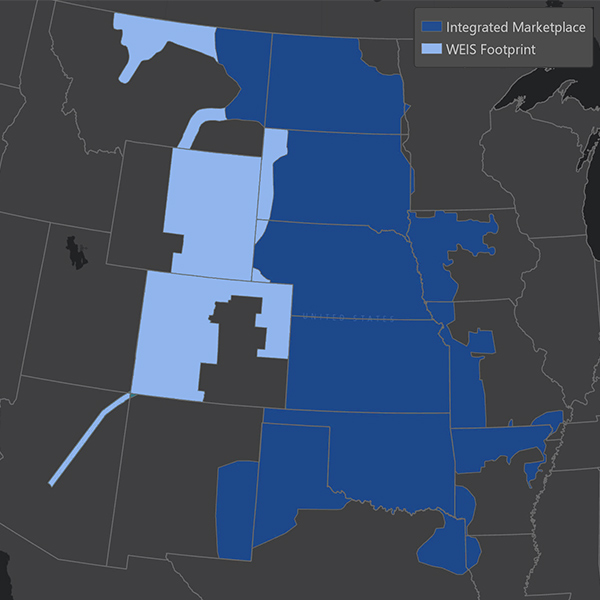
SPP‘s Western Energy Imbalance Service executive committee stood up the working group responsible for developing and maintaining the market’s protocols.

The NYISO Business Issues Committee approved Tariff changes on energy storage and load forecast revisions to account for behind-the-meter net generation.
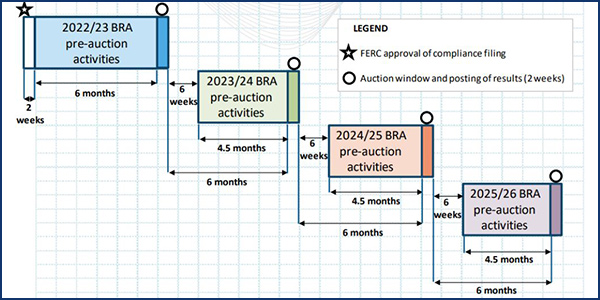
PJM filed Tariff changes to comply with FERC’s controversial order requiring expansion of the MOPR to new state-subsidized resources.
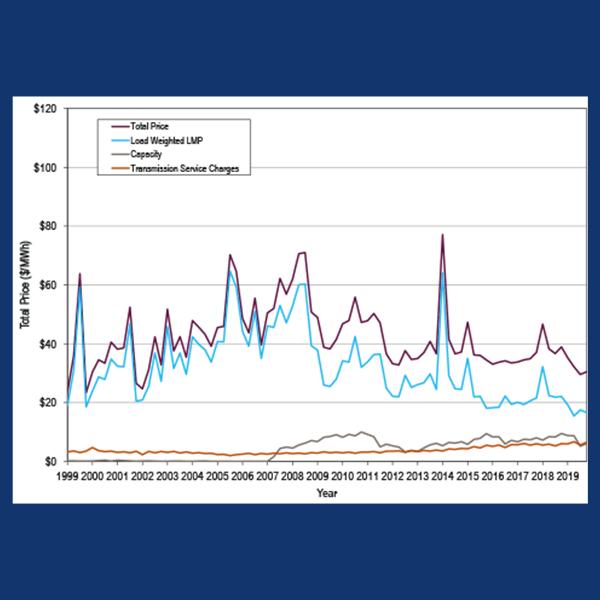
The average load-weighted, real-time LMP in PJM was $27.32/MWh last year, a 28.6% decrease from 2018 and the lowest in the RTO’s 21-year history.
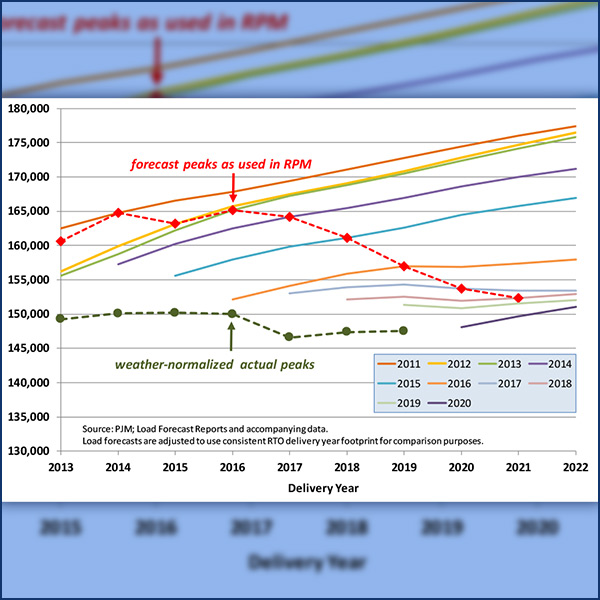
PJM’s Reliability Pricing Model is acquiring more capacity than needed, leading to dirtier, less efficient generation and excessive costs for consumers.
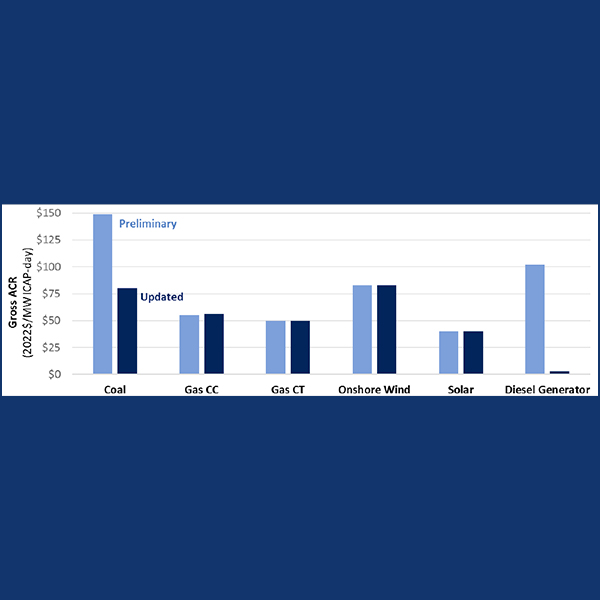
PJM officials told stakeholders that revised calculations show lower floor prices for gas, nuclear and solar generating units under the expanded MOPR.
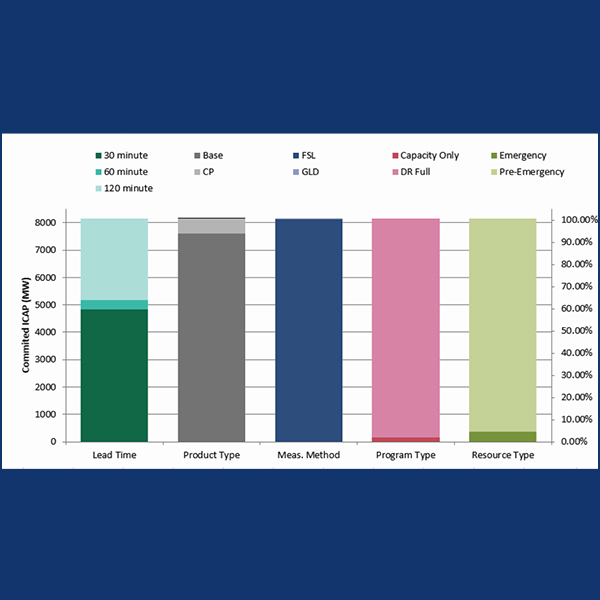
PJM is “confident” it will meet FERC’s deadline for resolving pricing and dispatch misalignment issues in its fast-start pricing proposal.
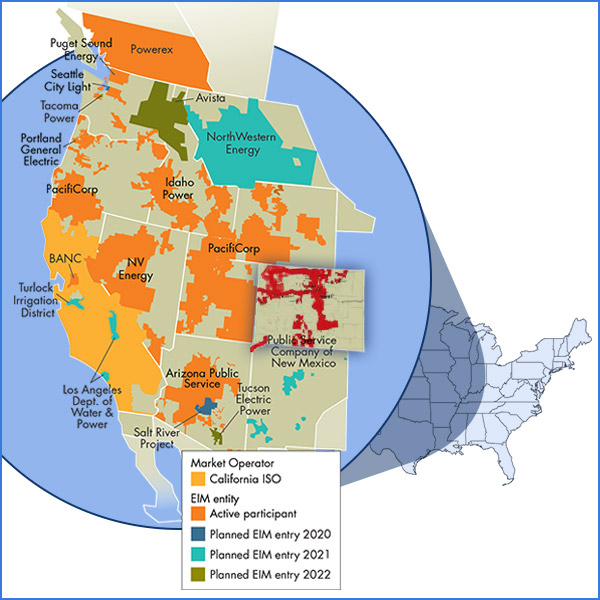
Four Colorado utilities decided to join CAISO’s Energy Imbalance Market instead of SPP’s Western Energy Imbalance Service because of the economic benefits.

Some 375 people registered for Raab Associates’ 165th New England Electricity Restructuring Roundtable, held online in response to the coronavirus pandemic.
Want more? Advanced Search