
Markets
Granite Shore Power
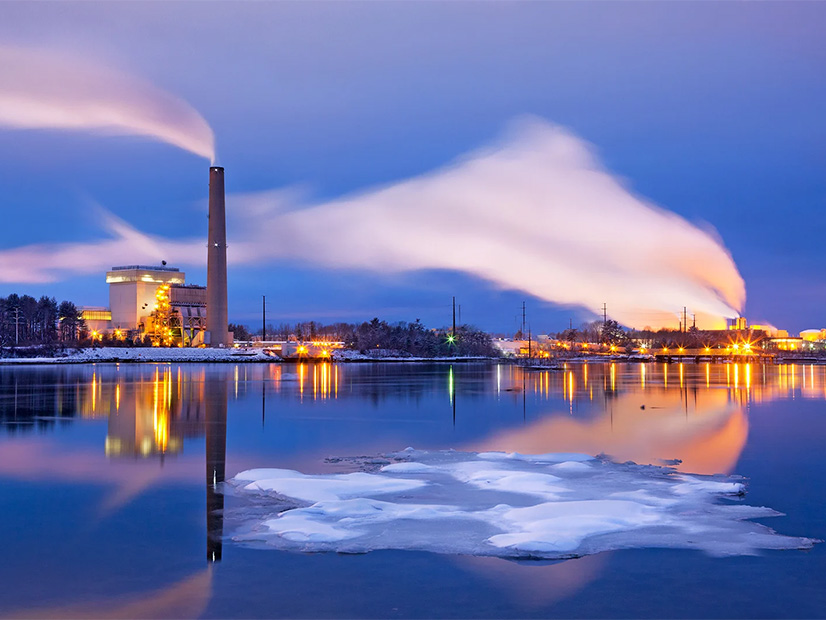
ISO-NE proposed to reduce its performance payment rate by more than 60% in response to concerns that excessive penalties will have unintended consequences for the capacity market.
PJM
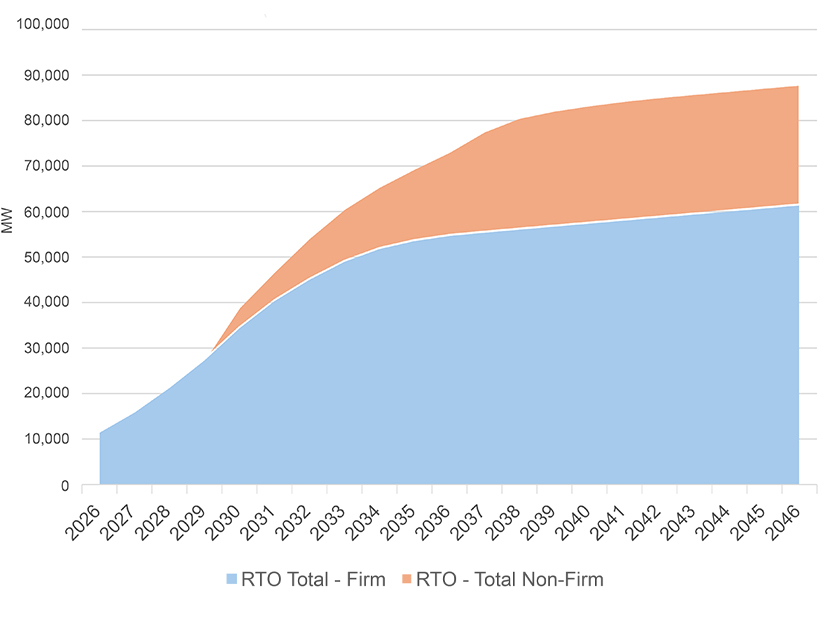
PJM has updated its thinking on the design of its reliability backstop procurement to meet rising data center load, gravitating toward a model in which the RTO would determine the amount of capacity to be purchased and act as the administrator and counterparty to the resulting agreements.

Microsoft
A new report argues for an infrastructure fund to entice data center developers to commit to modernizing the grid as they invest in upgrades required by their new demand.

© RTO Insider
The winter of 2025/26 was the most expensive winter in the history of ISO-NE’s wholesale markets, driven by the lowest average temperatures in 20 years.

© RTO Insider
Politicians increasingly are interested in wholesale markets, which has meant price caps but also is pushing regulators and the industry to move faster on meeting rising demand affordably and reliably.
© RTO Insider
Energy officials in Idaho, Utah and Wyoming called on the West-Wide Governance Pathways Initiative to ensure states with members in the Regional Organization for Western Energy have full access to data and market information, saying failure to do so risks infringing states’ rights and undermining public confidence.

The White House
President Donald Trump gathered seven tech leaders at the White House to sign a ratepayer protection pledge holding that they will pay all the costs associated with the boom in construction of data centers.
© RTO Insider
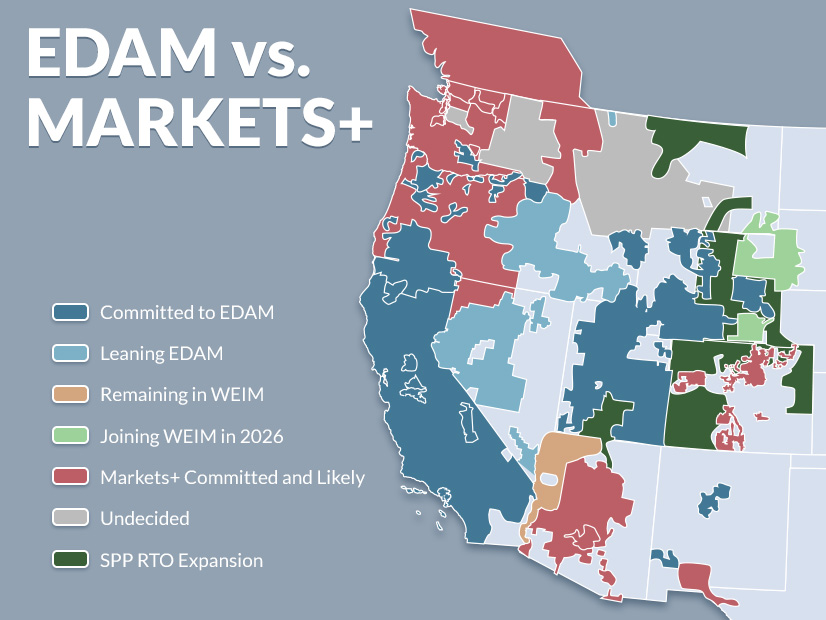
For the first time in years, California’s grip on Western market design is genuinely at risk, writes Nick Myers of the Arizona Corporation Commission.

FERC
The Senate Energy and Natural Resources Committee advanced FERC Commissioner David LaCerte’s nomination for a new, full five-year term by a vote of 12-8.
ACI
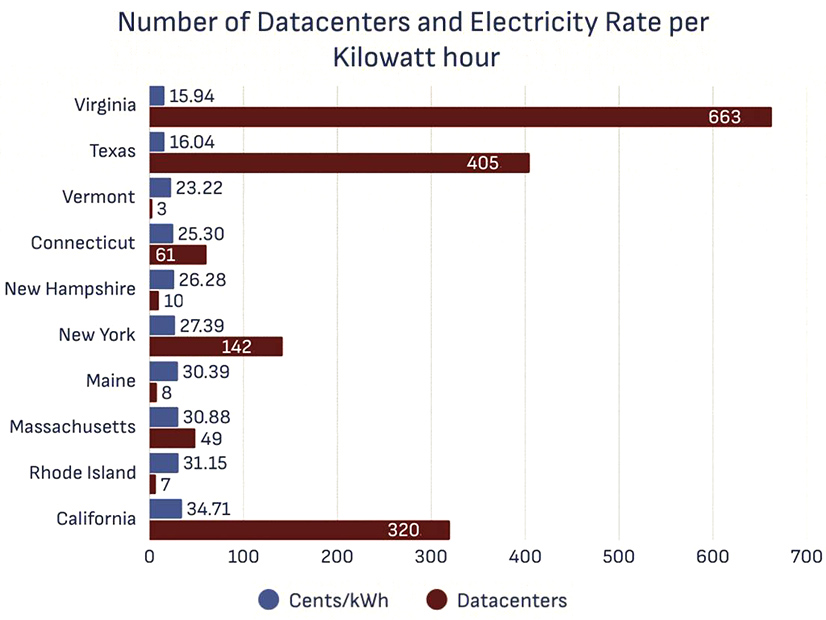
Data centers have become the whipping boy of high electric bills; consumers believe they are paying higher rates because of these power-hungry server farms. However, it is not that simple, writes Kristen Walker of The American Consumer Institute.
Want more? Advanced Search
