
Markets
Pattern Energy
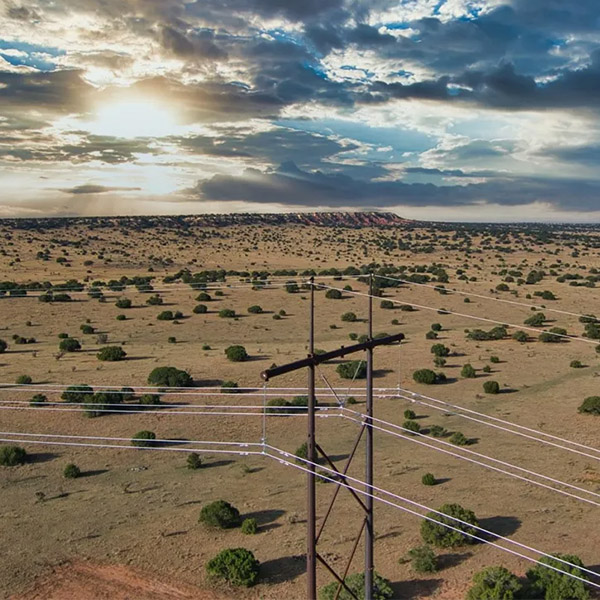
As the West appears to move toward two separate day-ahead markets, data center developers like Google and clean energy companies are investing with the intent to mitigate seams and ensure operational consistency, panelists at an Advanced Energy United webinar said.
ACEG
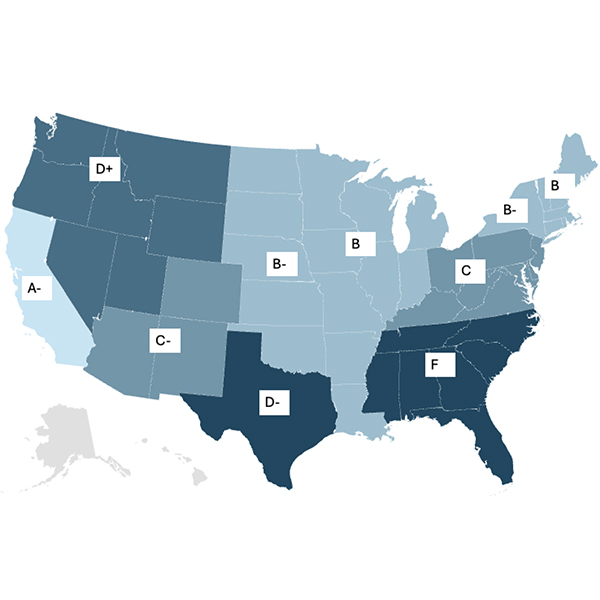
Americans for a Clean Energy Grid released an updated version of its report card, which generally shows improved scores as regions have implemented changes in the last couple of years.

© RTO Insider LLC
Conflicting political and market forces have created major uncertainty about what the next wave of generation project will look like in New England.
© RTO Insider
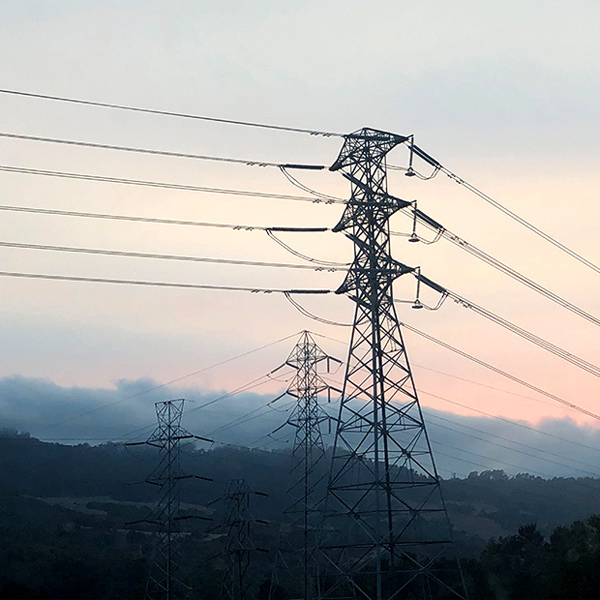
CAISO released its first mandatory report under the California assembly bill that paves the way for an independent regional organization to assume responsibility over the ISO’s energy markets.
Yes Energy
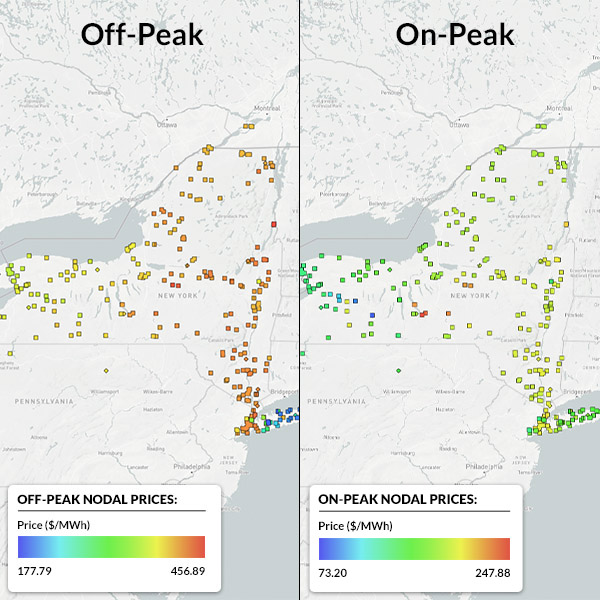
Rising electricity prices in New York are driven by the increased cost of gas because of the ongoing Russia-Ukraine War and increased LNG exports, according to a recent policy paper by NYISO.
IESO
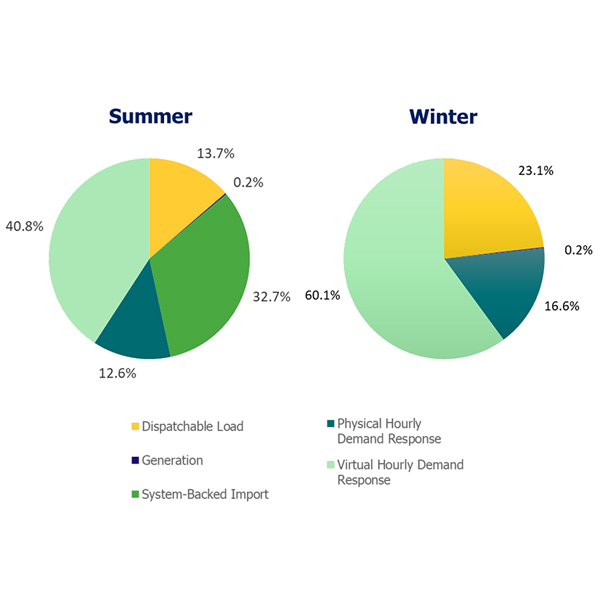
IESO is reconsidering how it deploys hourly demand response following complaints over partial activations and an increase in standby notices.
IESO
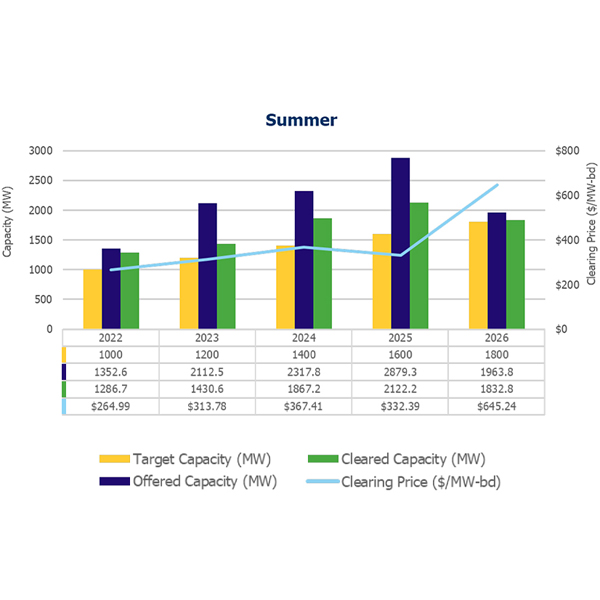
IESO downgraded less than 100 MW of capacity for November’s auction in the first application of its Performance Adjustment Factor in both the winter and summer seasons.
NYISO
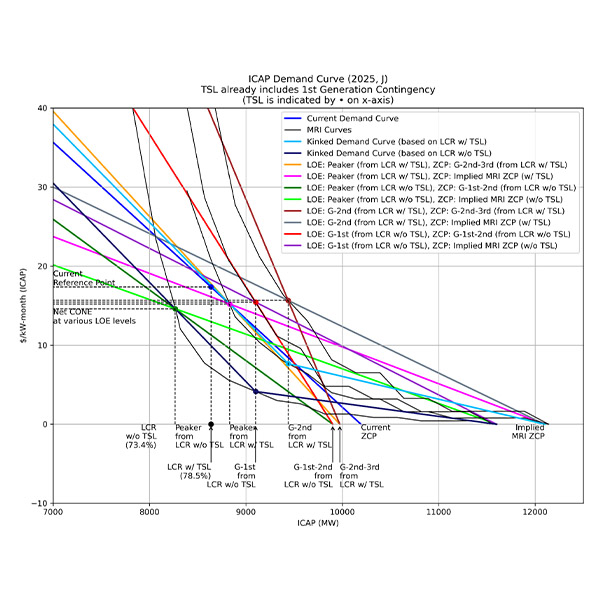
NYISO staff presented more of their initial ideas for improving the Demand Curve Reset process, centered on alternative shapes, slopes and points of the curve.
Meta
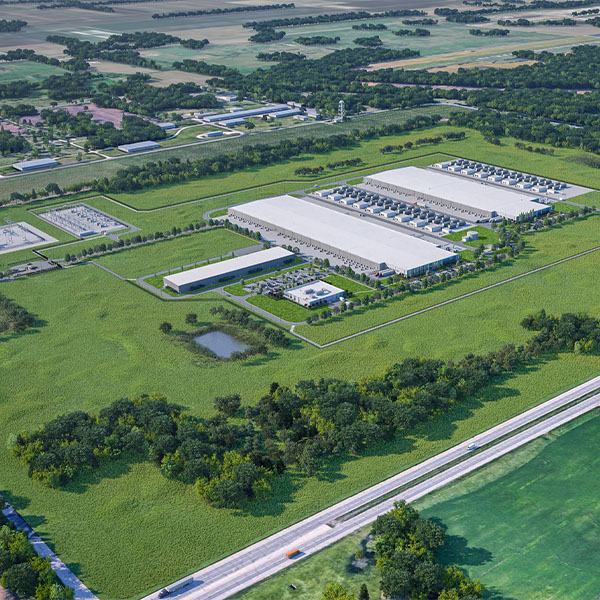
MISO said it likely will create interconnection reliability requirements and explore new rules that could bring large customers online in stages, as capacity becomes available, to get a handle on large loads eyeing MISO locales.

AdminMonitor
ERCOT says it leaned on Texas’ 15 mobile generating units and an RMR unit during the state’s first major cold-weather event since 2021’s disastrous Winter Storm Uri.
Want more? Advanced Search
