PJM Market Implementation Committee (MIC)

PJM will resettle $89 million in bills due to logging errors that overcharged LSEs in the eastern portion of PJM during the polar vortex.
PJM is proposing a MISO scheduling product similar to the PJM-NYISO CTS solution that has conditional FERC approval to facilitate interchange optimization.
PJM Stakeholders endorsed rule changes to clarify that generation owners providing Tier 2 synchronized reserves will be measured in the aggregate when PJM evaluates their performance under a new penalty structure.

PJM and the IMM have reached agreement on a way to reduce the number of Frequently Mitigated Units eligible for “adders” but their proposal faces heavy opposition from generation owners.
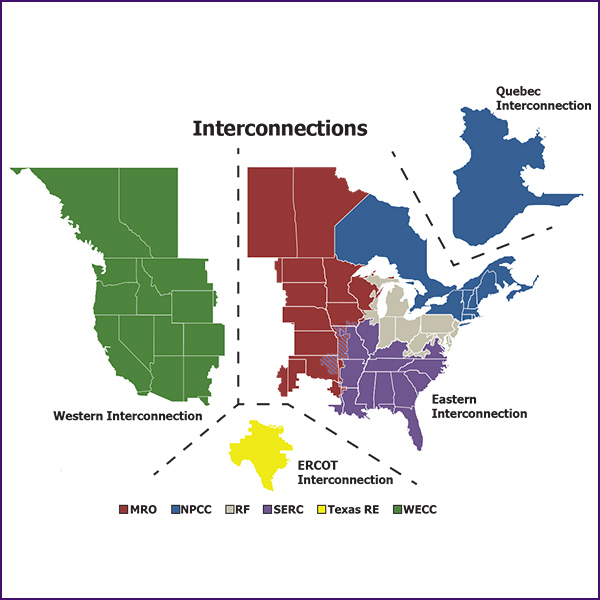
PJM has dropped a plan that would have allowed dispatchers to cut interchange ramp limits in order to reduce price volatility and uplift.
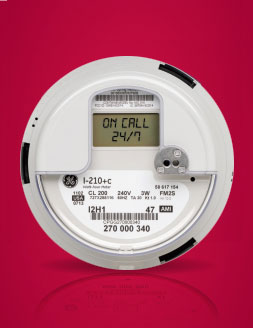
Stakeholders will attempt to develop more accurate measurement and verification of residential DR under a problem statement approved by the MIC.

Fuel procurement and environmental limitations are the top obstacles to increasing the flexibility of PJM’s generating fleet, according to the PJM generator survey results released last week.
PJM is considering new rules to address issues, including defaults, raised by the collapse of two retail marketers in January.
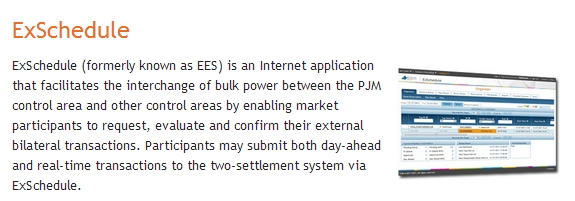
PJM members endorsed updates to PJM’s Regional Transmission and Energy Practices in support of the RTO’s new ExSchedule application.
PJM stakeholders reacted warily last week to a proposal that would allow dispatchers to reduce interchange ramp limits to reduce price volatility and uplift. PJM would like to implement the change by summer.
Want more? Advanced Search