Energy Storage
© RTO Insider
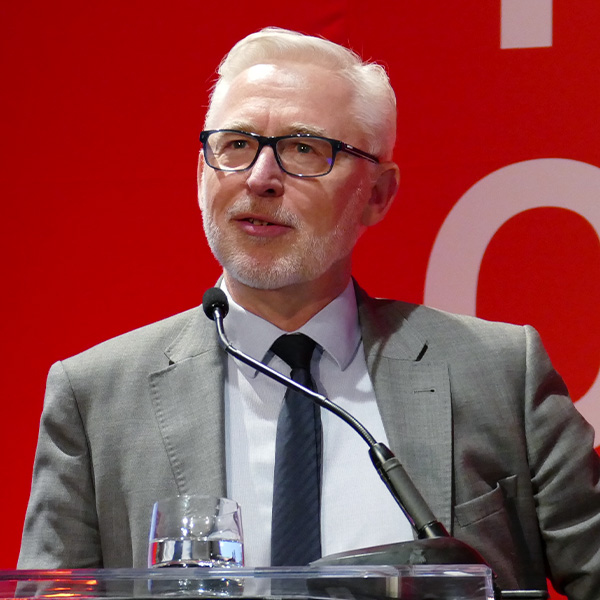
ISO NE CEO Gordon van Welie talked about the evolving grid in New England and how markets are changing and what the future holds as state policies drive higher demand and increasing decarbonization.
Highview Power
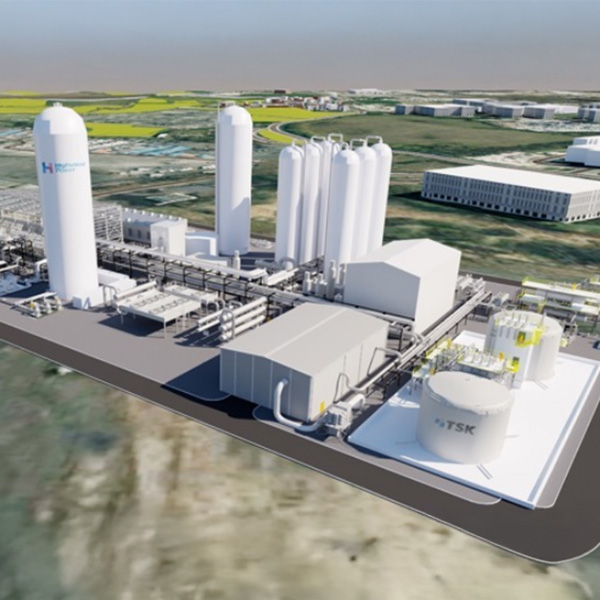
IESO is seeking to reduce the risk of its procurement of long lead-time resources by reserving the right to reject proposals that are too expensive and cancel deals in the first few years.
NRDC
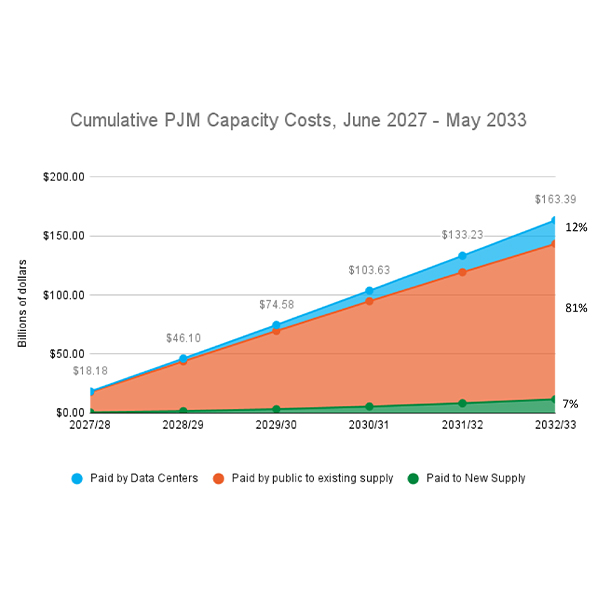
Several stakeholders presented proposals for how PJM could address accelerating load growth as the Critical Issue Fast Path process on large load growth wraps up its second phase.

Duke Energy
The North Carolina Utilities Commission spent several days diving into the issues of meeting new demand from large loads like data centers.

CEC
A virtual power plant program with an indeterminate future set a record in 2025 for the capacity the plant contributed to California's electricity grid.
IESO
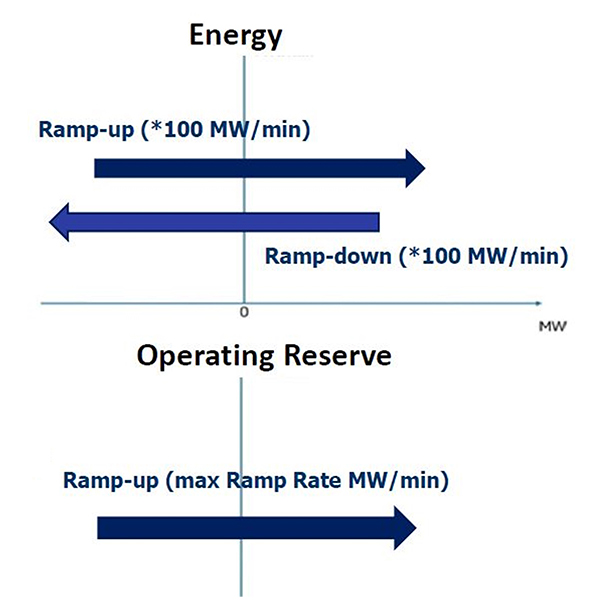
Storage developers in Ontario are pushing back on IESO’s 100-MW/minute ramp limit for batteries, saying it will reduce their revenues.
BLM
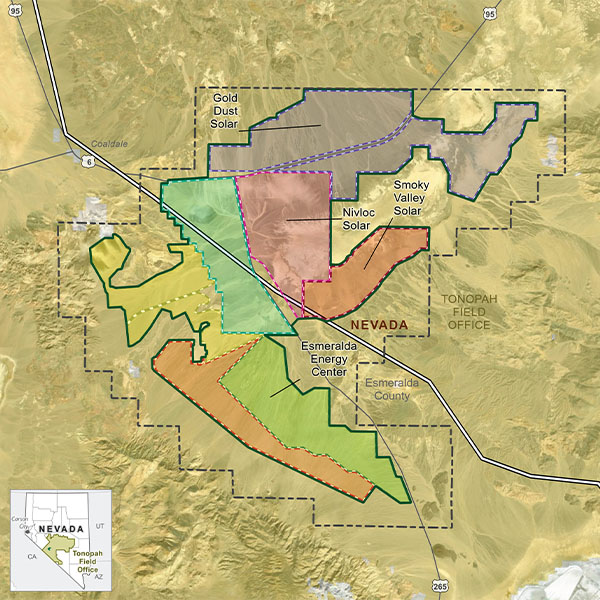
The fate of a 6.2-GW cluster of solar energy projects in western Nevada is uncertain following the Bureau of Land Management’s decision to break the group into individual projects for review.
PG&E
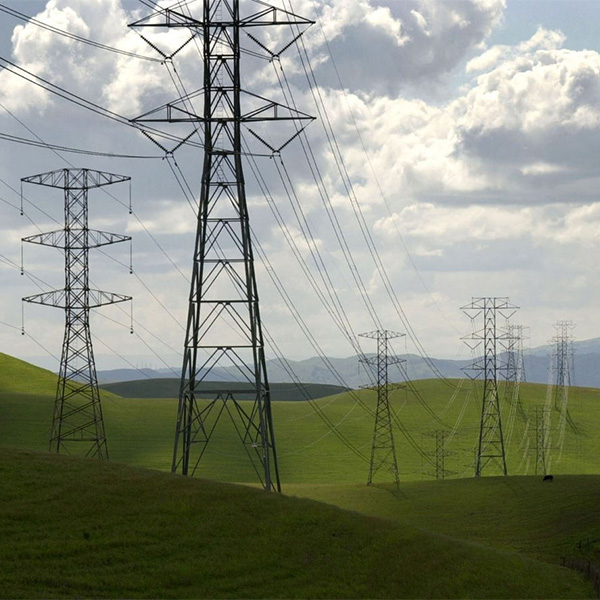
FERC approved PG&E’s request to recover more than $600,000 in costs for an abandoned battery plant in California.
BloombergNEF
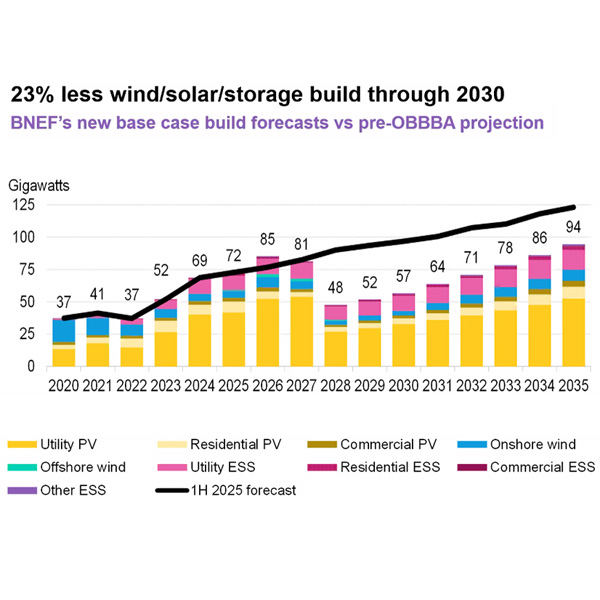
Construction of new wind, solar and energy storage facilities will decrease significantly over the next five years, a BloombergNEF analyst said in an presentation to the California Energy Commission.

CPUC
A California PUC judge has proposed the commission order an additional 6 GW of capacity for the state between 2029 and 2032 to get ahead of disappearing federal tax credits and loans for renewable energy resources.
Want more? Advanced Search