
Battery Electric Storage
GridLab
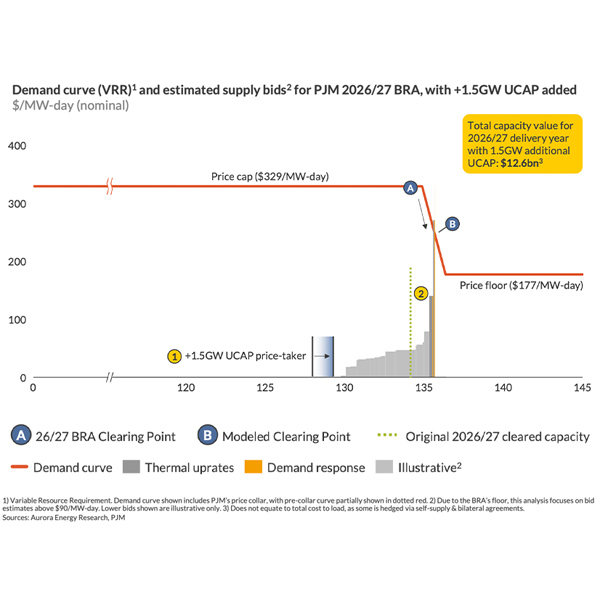
If just 10% of the land-based renewables in PJM’s generator interconnection queue had been developed, the total cost of the RTO’s 2026/27 capacity auction would have been reduced by $3.5 billion, according to an analysis GridLab commissioned by Aurora Energy Research.
Constellation
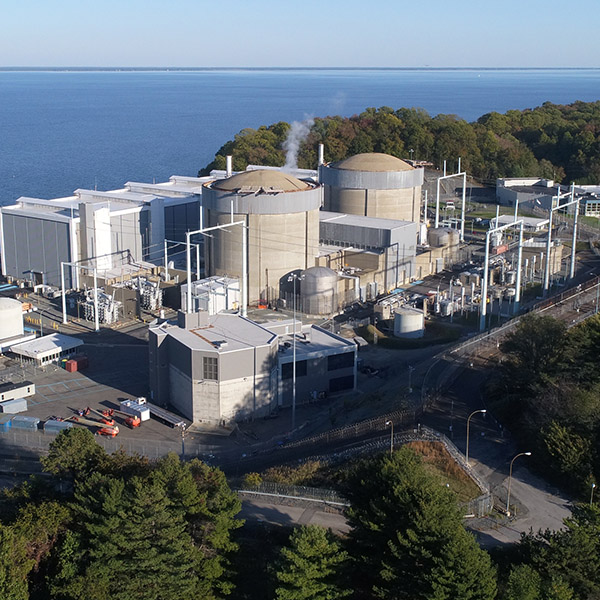
Constellation Energy is proposing 714 MW of new gas-fired peaker capacity and up to 800 MW of storage in response to a Maryland solicitation.
© RTO Insider
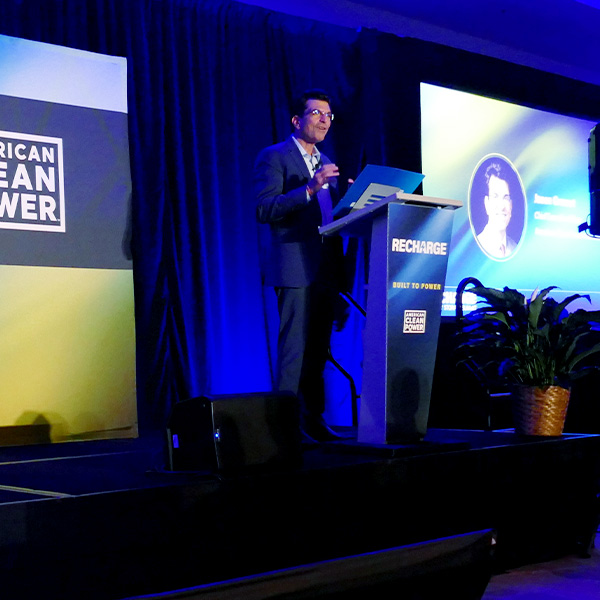
Reports of the energy storage industry’s demise are greatly exaggerated, experts said during the American Clean Power Association’s annual Energy Storage Summit.
Convergent Energy and Power
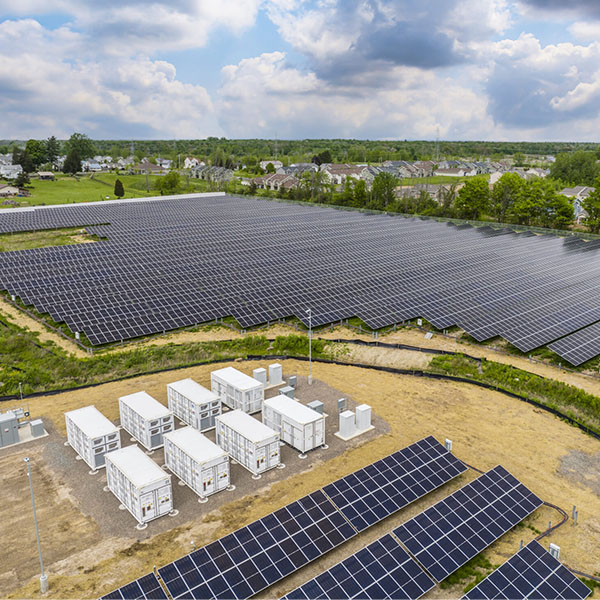
ISO-NE’s first interconnection cluster study held under new Order 2023 rules is made up mostly of large battery resources and contains only five wind and solar projects.

© RTO Insider
ERCOT can ensure long-term reliability with its energy-only market, but it must operate its grid less conservatively for that to happen, said Potomac Economics President David Patton.
DOE
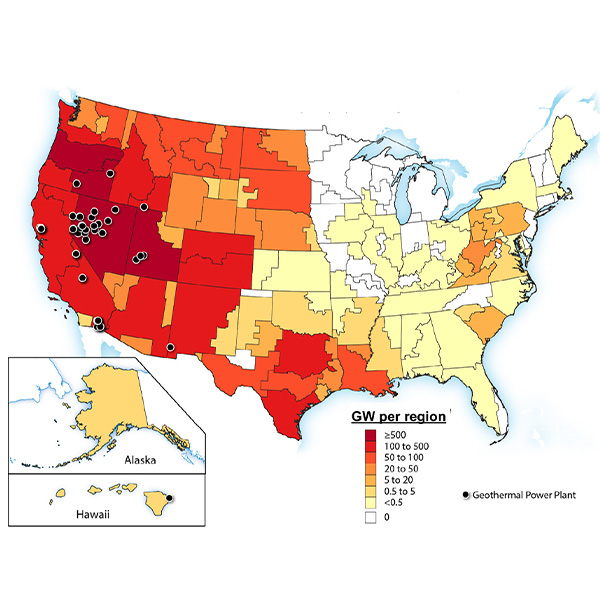
All seven clean energy technologies evaluated for a new report might someday help New York reach its decarbonization goals, but each would require innovation and support to reach that potential.
Highview Power
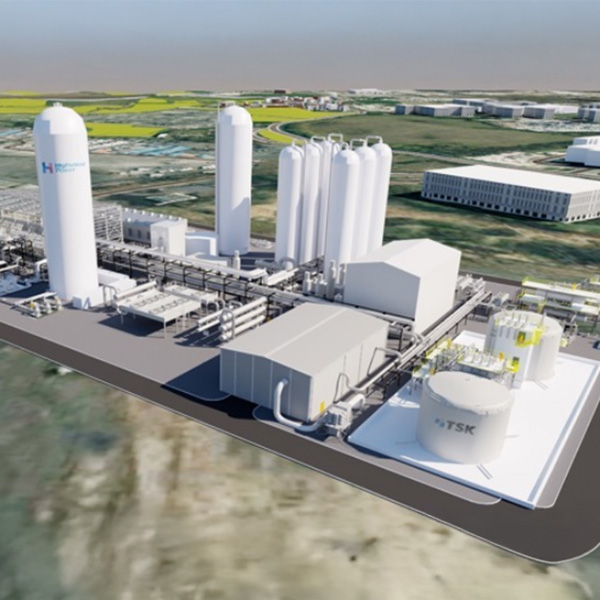
IESO is seeking to reduce the risk of its procurement of long lead-time resources by reserving the right to reject proposals that are too expensive and cancel deals in the first few years.
NRDC
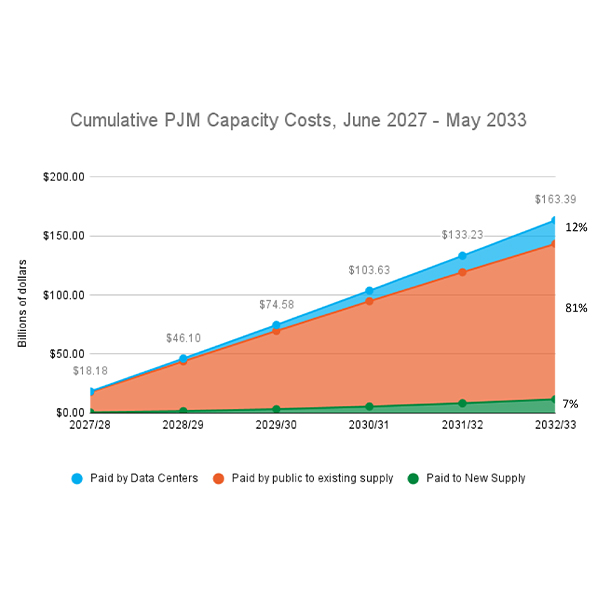
Several stakeholders presented proposals for how PJM could address accelerating load growth as the Critical Issue Fast Path process on large load growth wraps up its second phase.

Duke Energy
The North Carolina Utilities Commission spent several days diving into the issues of meeting new demand from large loads like data centers.

CEC
A virtual power plant program with an indeterminate future set a record in 2025 for the capacity the plant contributed to California's electricity grid.
Want more? Advanced Search
