
Onshore Wind
© RTO Insider
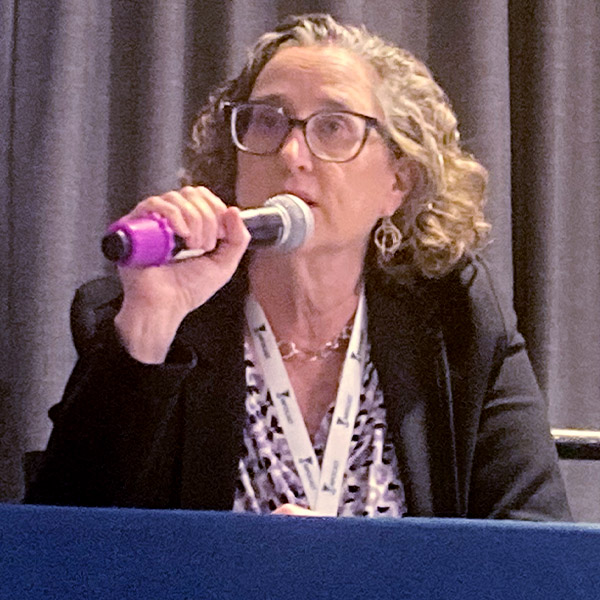
The California Public Utilities Commission has proposed a new framework that would take a “more programmatic approach” to load-serving entities’ resource procurement requirements compared with the agency’s recent practice of issuing procurement orders as needed.
NYISO
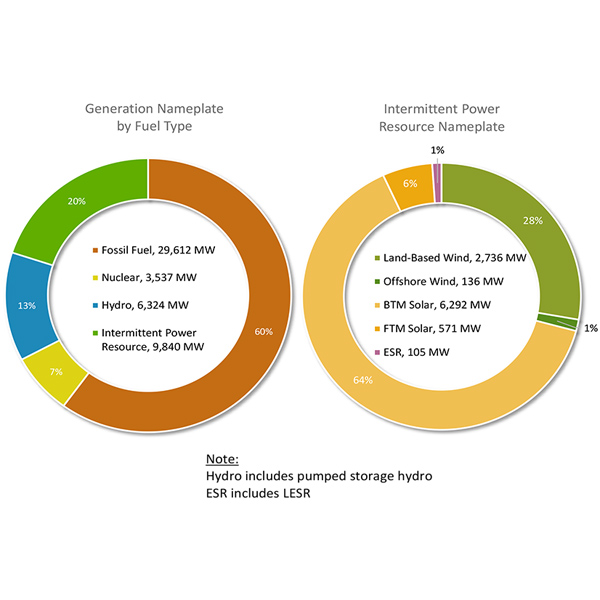
New York solar generation set an all-time peak record April 17, generating 4,809 MW in the noon hour, NYISO told the Operating Committee.

Shutterstock
Massachusetts Gov. Maura Healey has filed a major energy bill that her administration says would save ratepayers $10 billion over the next decade.
House Ways and Means Committee
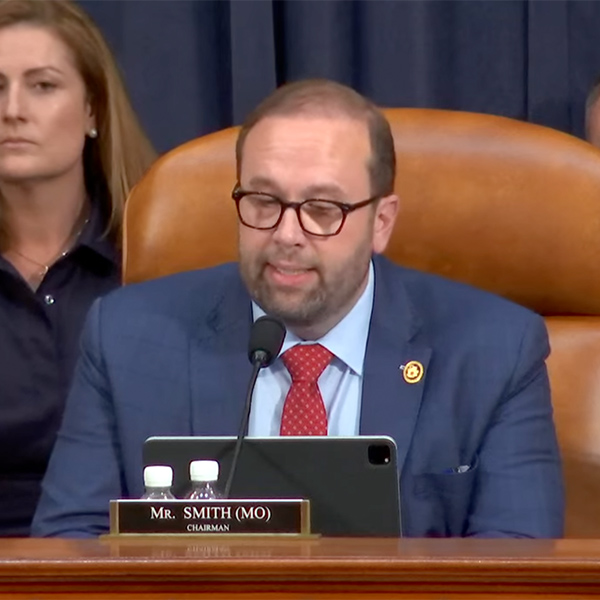
Efforts by U.S. House committees to mark up the “One, Big Beautiful Bill” that includes most of President Donald Trump’s legislative goals could so complicate energy tax credit provisions as to make those instruments difficult to use at all.
TransWest Express
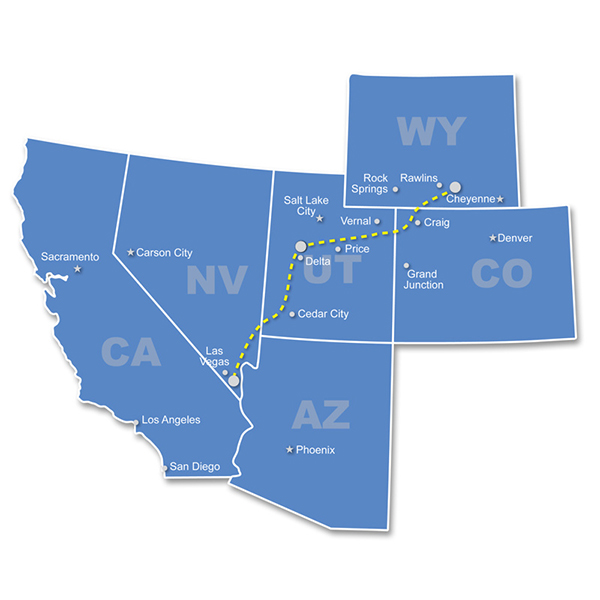
Construction began on the Utah terminal of the 732-mile TransWest Express transmission line, a project designed to carry Wyoming wind energy to the Southwest.

Shutterstock
Key House committees are marking up “One Big, Beautiful Bill” for the fiscal 2025 budget that includes much of President Donald Trump’s legislative goals, including clawing back funds and phasing out tax credits for clean energy.
© RTO Insider
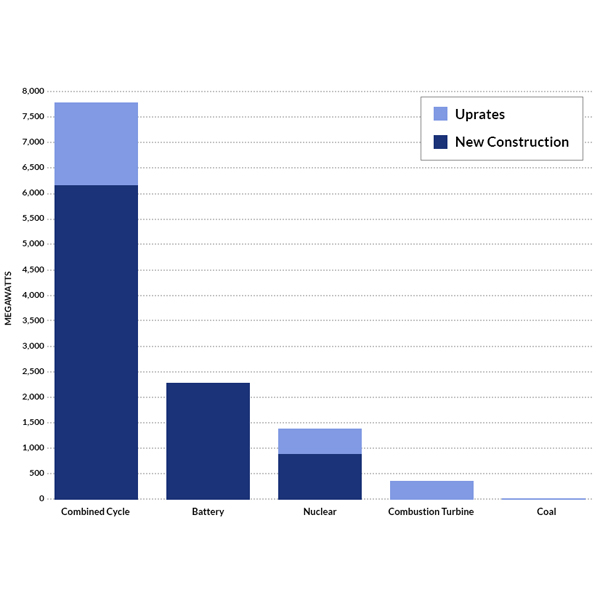
PJM selected 51 projects to receive expedited interconnection studies through its Reliability Resource Initiative, adding 11,793 MW of nameplate capacity to the next study cycle.
IESO
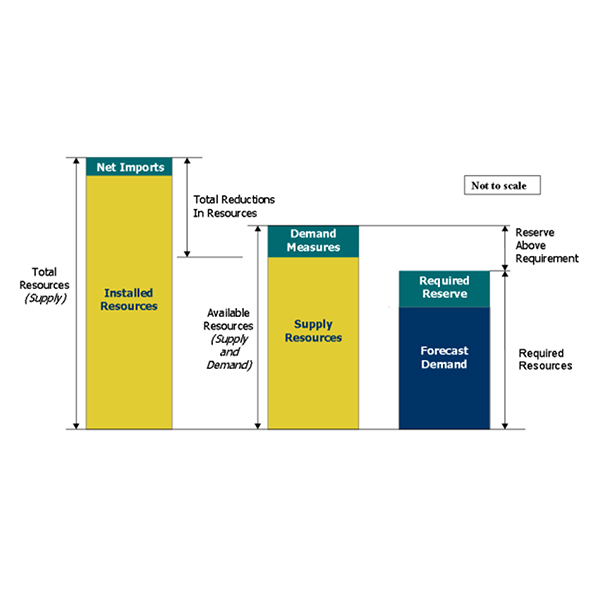
IESO is changing how it projects renewable generation output and its accounting for imports and planned loads in the forecasts it uses to manage generator and transmission outages.
© RTO Insider
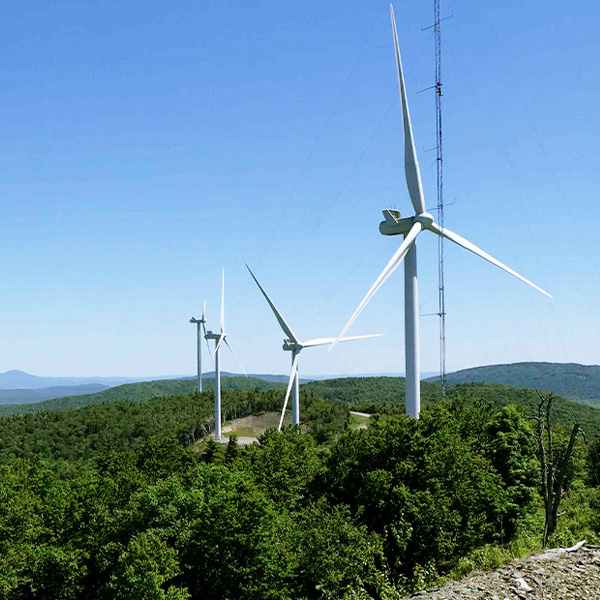
The Maine PUC is seeking feedback and indications of interest for a procurement of generation and transmission capacity to connect at least 1,200 MW of clean energy in Northern Maine to ISO-NE.
ISO-NE
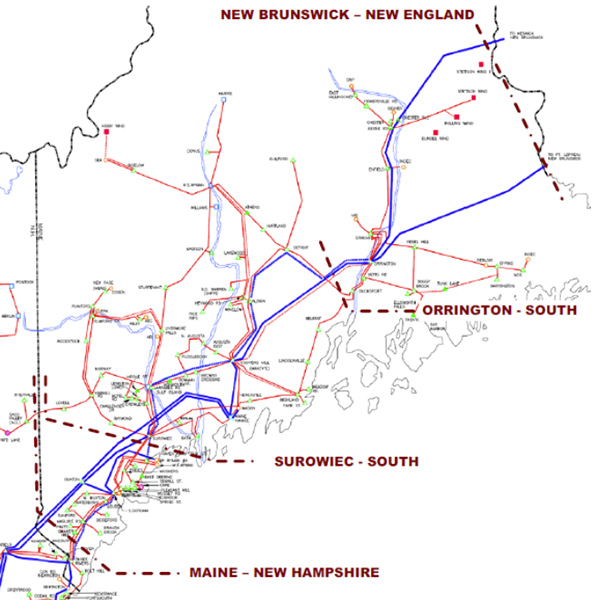
ISO-NE published the request for proposals for its first longer-term transmission planning procurement, which is focused on increasing North-to-South transmission capacity in New England and interconnecting onshore wind resources in Northern Maine.
Want more? Advanced Search
