
Resource Adequacy
Resource adequacy is the ability of electric grid operators to supply enough electricity at the right locations, using current capacity and reserves, to meet demand. It is expressed as the probability of an outage due to insufficient capacity.
TransAlta
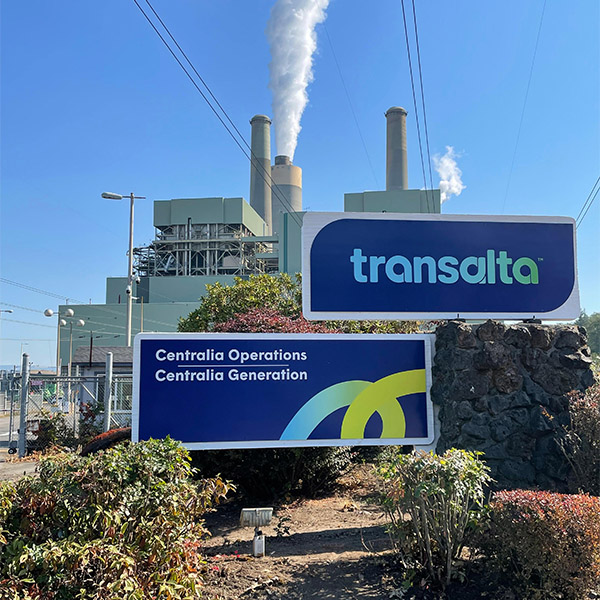
Citing an energy “emergency” in the Northwest this winter, DOE ordered TransAlta to continue operating Washington’s last coal-fired generating plant for three months beyond its scheduled retirement at the end of this year.
ICF EnergyInsite
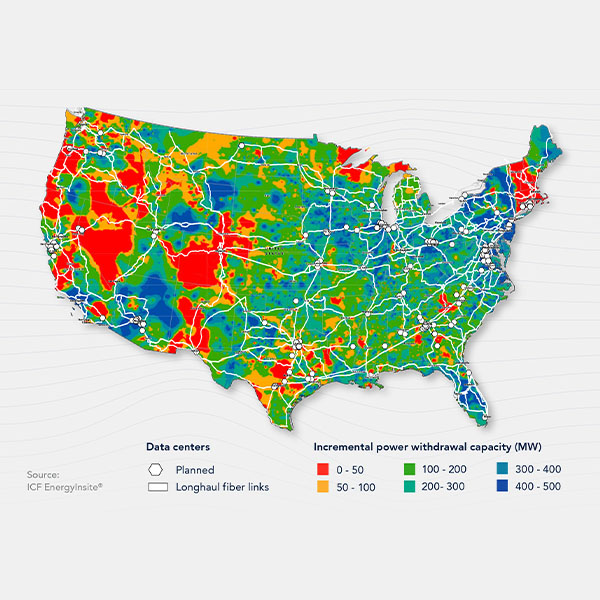
ICF International has released a new paper discussing where data centers could be sited.
xAI
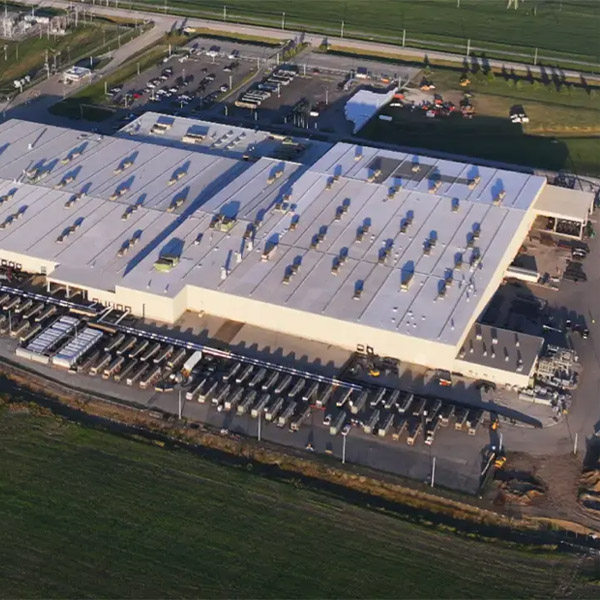
Data center developers’ imperative of speed to market not only stresses the power grid but also is felt on the ground as the giant facilities — often paired with onsite generation — spring up in neighborhoods overburdened by pollution.
Rainbow Energy Center
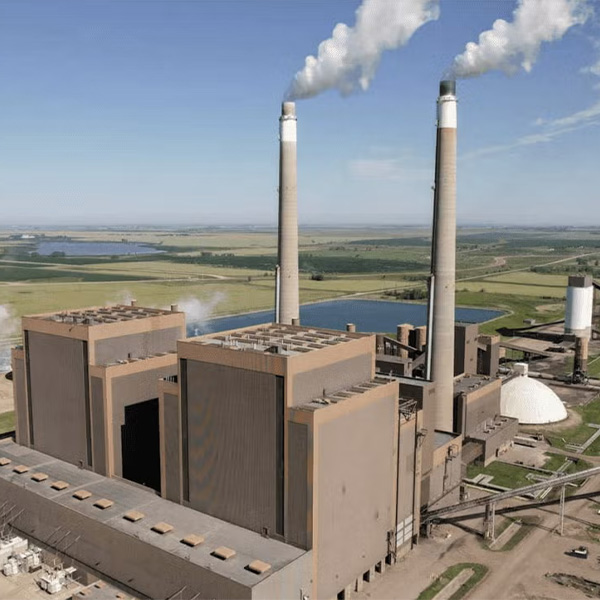
A trade group representing multiple MISO power producers has lodged a complaint against retroactive pricing revisions in MISO’s 2025/26 capacity auction, joining Pelican Power in calling the repricing unlawful.
Western Area Power Administration
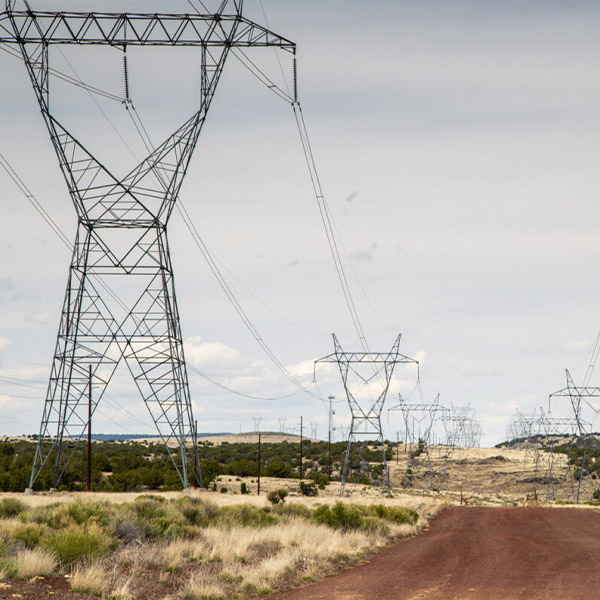
The Western Transmission Expansion Coalition plans to publish its 10-year outlook for Western transmission needs in February 2026 and has begun outlining the 20-year plan, according to Energy Strategies, which is developing the report.
ERCOT
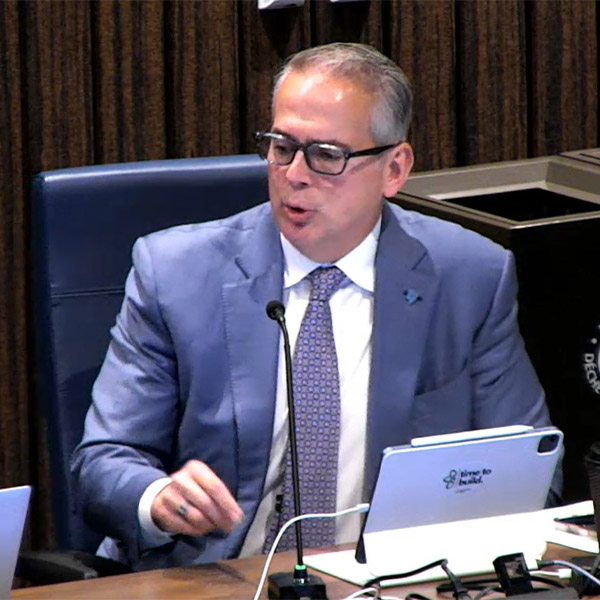
ERCOT’s Board of Directors has approved staff’s proposed 765-kV Eastern Backbone project and its $9.4 billion capital cost price tag, making it the most expensive project in the grid operator’s history.

© RTO Insider LLC
MISO and its Monitor tracked a rise in energy consumption in fall 2025 and reviewed some operational rough patches, while the RTO explained why its machine-learning risk predictor remains a work in progress.
MISO
MISO members don’t doubt that large loads will turn up at the beginning of the next decade and are occupied with how the industry can make sure ratepayers don’t subsidize supersized customers.

© RTO Insider
Attendees at the gridCONNEXT conference, including the acting under secretary of energy and U.S. representatives, debated federal energy policy.

Google
Reply comments to the Department of Energy’s Advance Notice of Proposed Rulemaking to FERC on large loads offered differing paths for the commission to potentially take.
Want more? Advanced Search
