
Resource Adequacy
Resource adequacy is the ability of electric grid operators to supply enough electricity at the right locations, using current capacity and reserves, to meet demand. It is expressed as the probability of an outage due to insufficient capacity.

Granite Shore Power
In New England, increasing winter reliability concerns are driving questions about how long the region’s aging fleet of oil-fired power plants can, or should, remain on the system.
© RTO Insider LLC
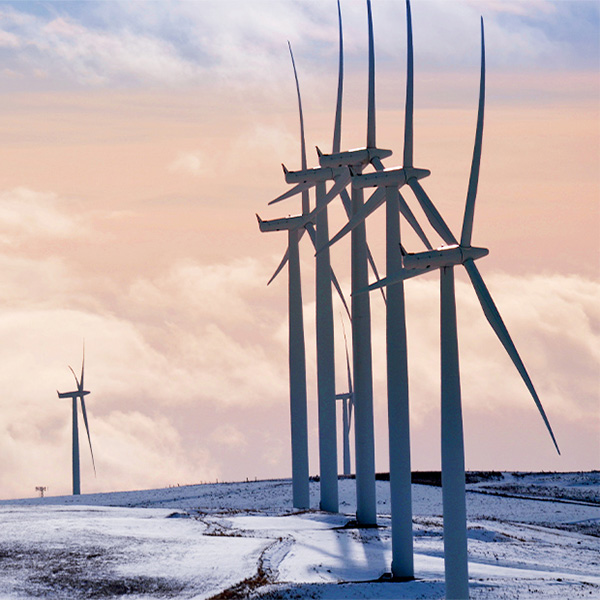
The West-Wide Governance Pathways Initiative could lead the charge on developing an alternative to the Western Resource Adequacy Program that would integrate with CAISO’s Extended Day-Ahead Market, according to co-Chair Pam Sporborg.
New Jersey Energy Master Plan
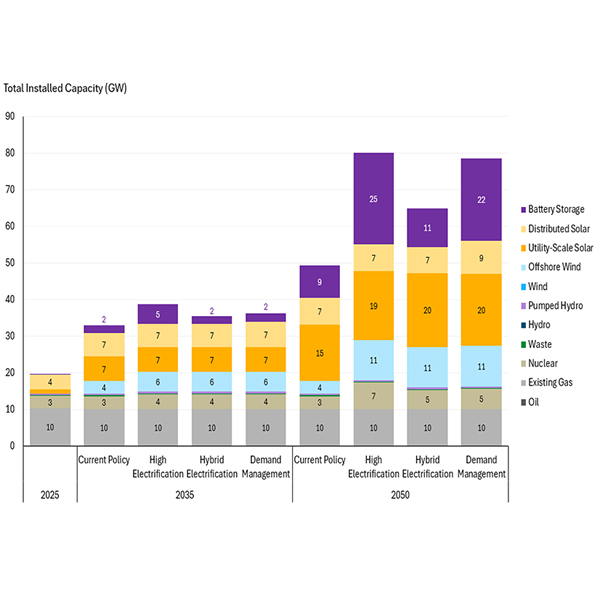
New Jersey should continue to pursue a strategy of heavy reliance on clean energy to head off the state’s looming energy shortage, with no increase in natural gas generation, says outgoing Gov. Phil Murphy.

Dominion Energy
The Virginia SCC approved a smaller rate request than Dominion Energy asked for, but it also approved its plan to set up a new rate class for large customers and new natural gas units to meet rising demand.
© RTO Insider LLC
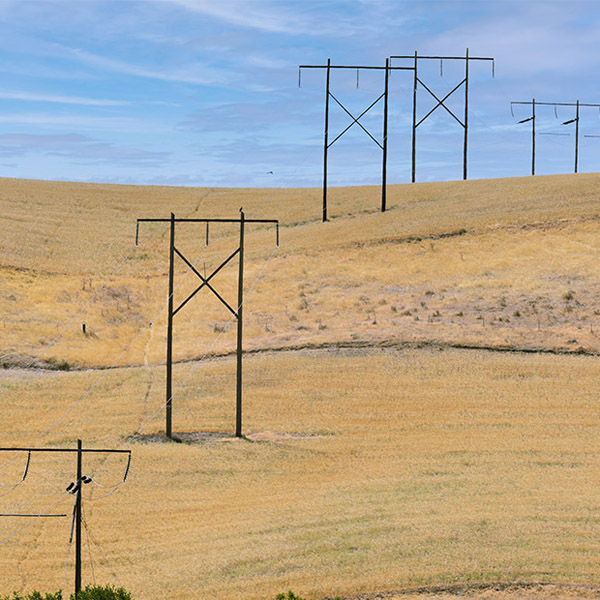
Citing developments within WPP’s Western Resource Adequacy Program, the Oregon Public Utilities Commission waived penalties for independent power suppliers participating in the state’s alternative RA program.

PJM
A new report examines CAISO, MISO, PJM and SPP efforts to accelerate interconnection and concludes that while some may succeed in speeding generation additions, some sacrifice fairness, transparency and open-access principles.
Constellation
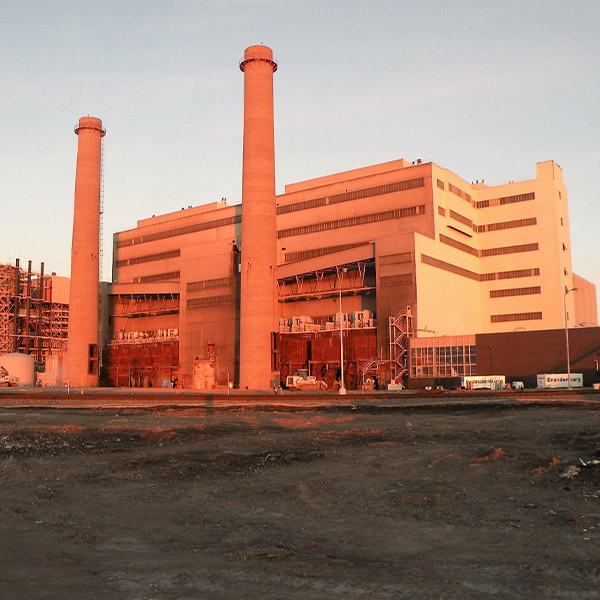
Energy Secretary Chris Wright has issued the third order keeping the Eddystone plant in Pennsylvania running after it had been ready to retire in May 2025.
Yes Energy
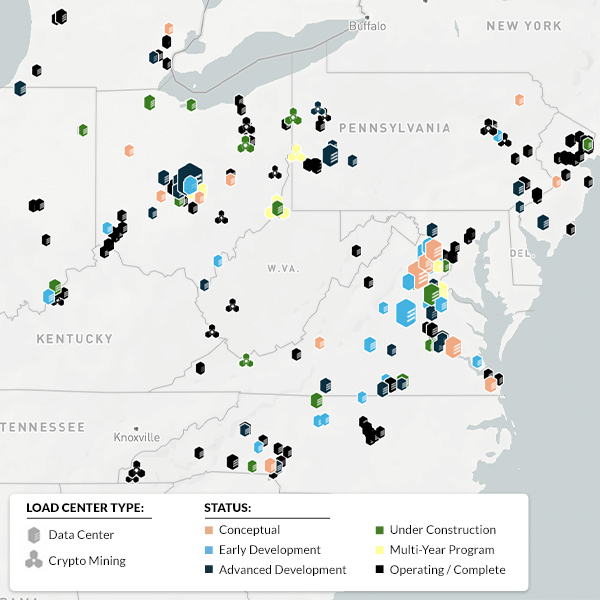
Many comments on the Department of Energy’s Advance Notice of Proposed Rulemaking to FERC on large load interconnections warned against going too far into jurisdictional issues.

Shutterstock
FERC approved MISO’s proposal to increase the number of generation projects it may study under its expedited interconnection queue lane from 10 to 15 per quarter.
ISO-NE
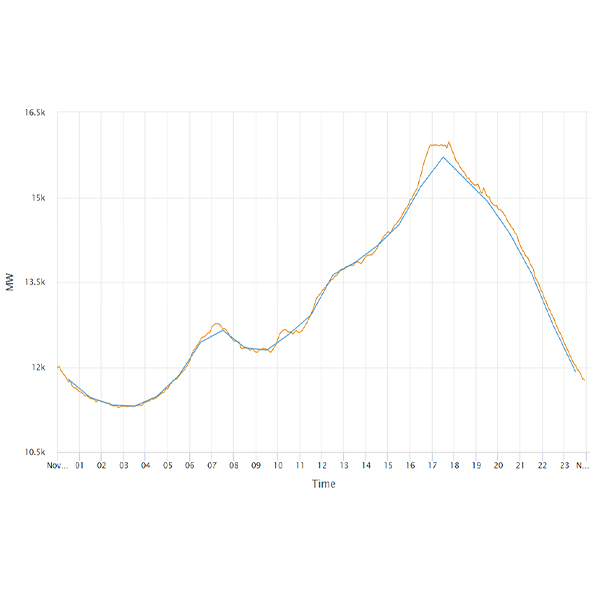
ISO-NE declared a capacity deficiency after an unexpected loss of generation left the region short of its operating reserve requirements.
Want more? Advanced Search
