Resource Adequacy
Resource adequacy is the ability of electric grid operators to supply enough electricity at the right locations, using current capacity and reserves, to meet demand. It is expressed as the probability of an outage due to insufficient capacity.
IPPNY / Tim Raab
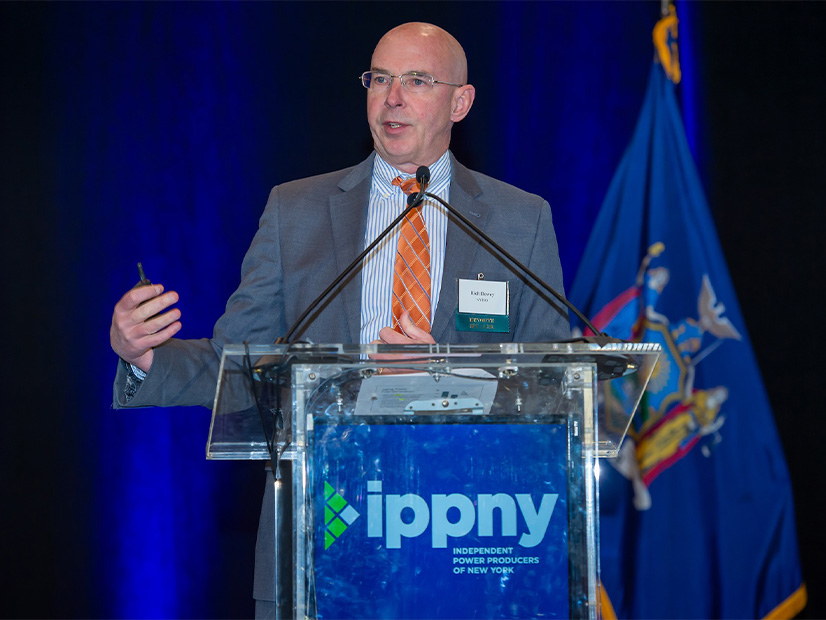
Generation industry representatives and their allies united behind a call to loosen New York’s climate law to allow the repowering of old fossil fuel plants with new natural gas turbines at the Independent Power Producers of New York’s 40th annual Spring Conference.
MISO
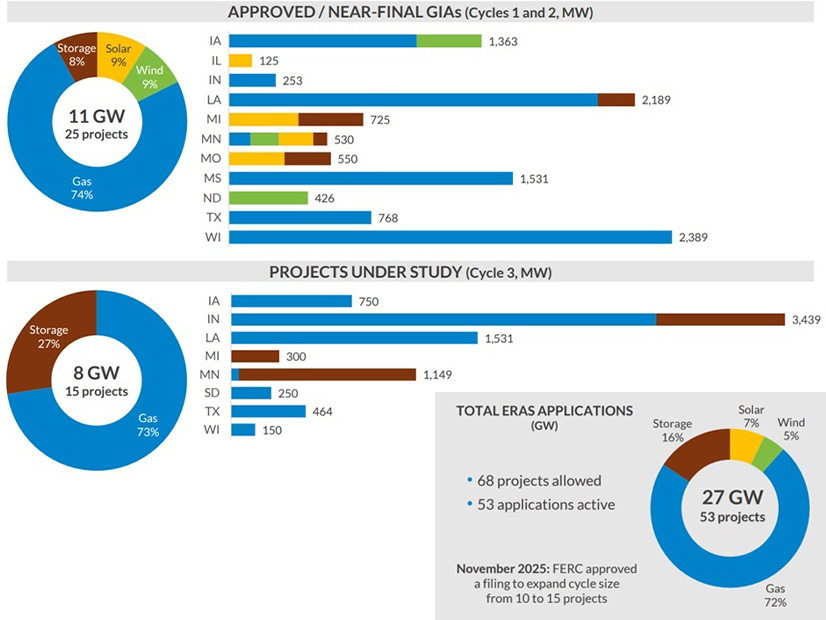
In a case of déjà vu, MISO announced that NERC is poised to issue a follow-up to its Long-Term Reliability Assessment that stands to lower the RTO’s reliability vulnerability from “high risk” to “elevated.”
Shutterstock
The Senate Energy and Natural Resources Committee heard about the state of the bulk power system as it continues to work on permitting legislation.
© RTO Insider
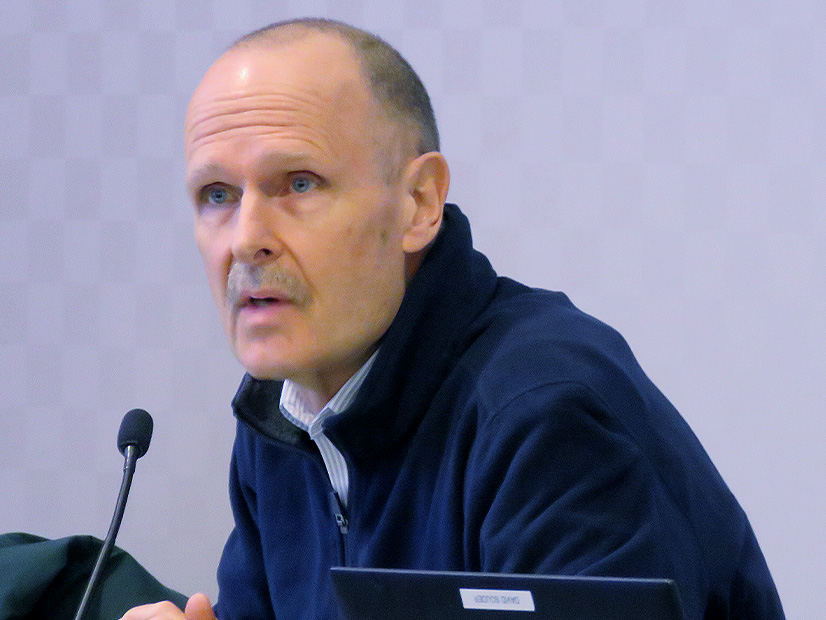
FERC rejected a complaint from the PJM Independent Market Monitor asking it to determine the RTO holds the authority to deny transmission service for large loads that cannot be reliably served/
Retail Energy Advancement League
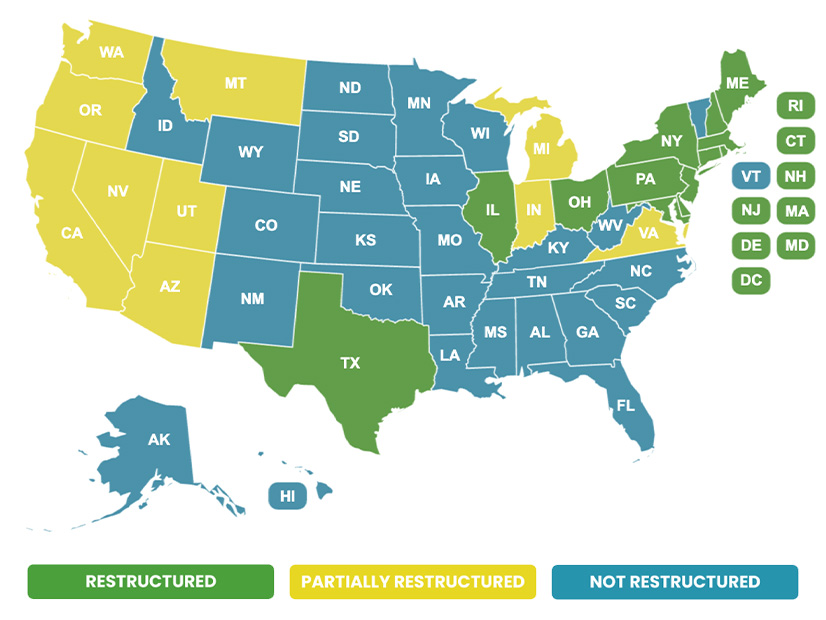
The return of demand growth is something new in the electricity industry, especially as it is being driven by individual consumers whose load can exceed the peak demand of a small state, and it is giving new life to an old argument in state legislatures: restructuring the industry.
AEP
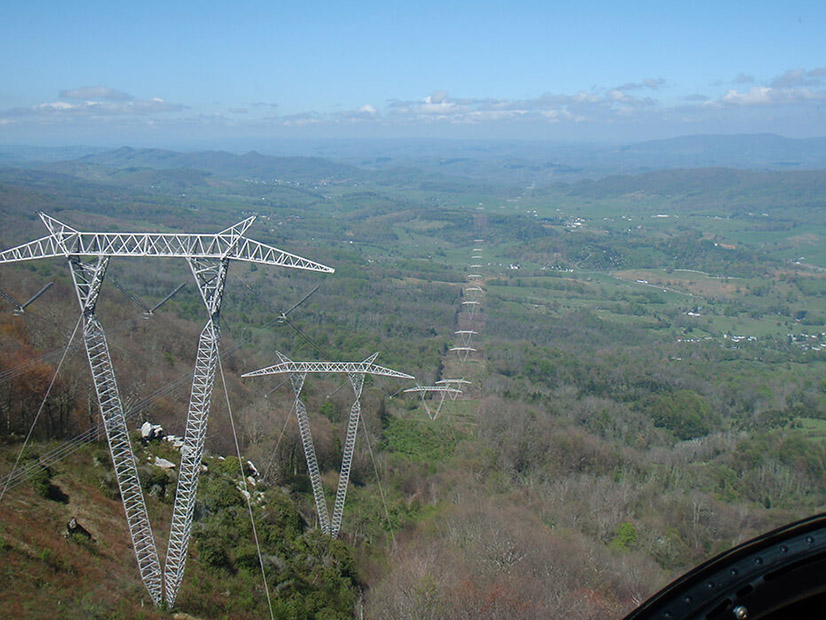
The Trump administration announced billions of dollars in investments from a deal it struck with Japan, which will help build natural gas plants to serve hyperscale data centers, including at a defunct uranium production site owned by DOE in Ohio.

Portland General Electric
One of the first items the yet-to-be-seated board of the Regional Organization for Western Energy could decide on is whether to administer a resource adequacy program, as backers seek to have a proposal in place later in 2026.
Astoria Generating Company
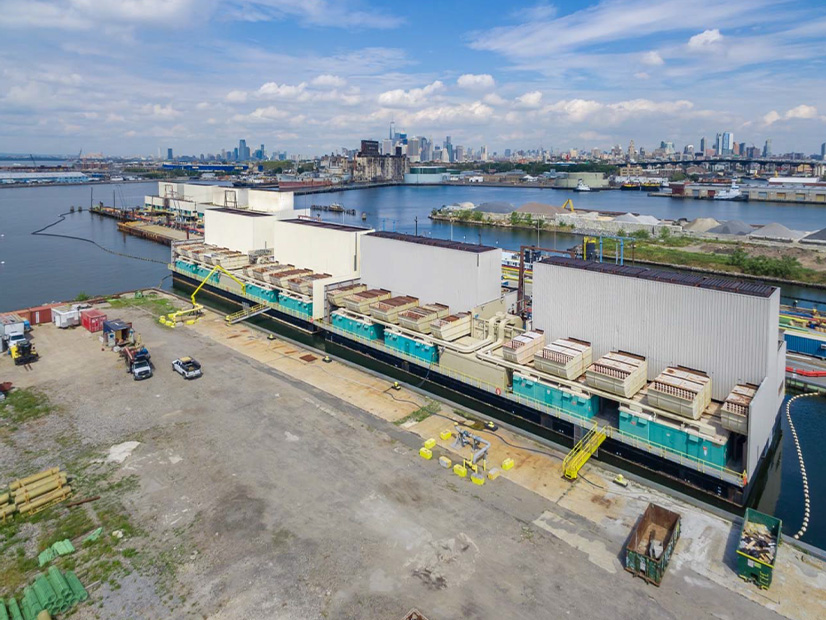
Alpha Generation, owner and operator of the Gowanus and Narrows floating power plants in New York City, has proposed replacing the six peaking units with three lower-emitting ones in response to Consolidated Edison’s solicitation for solutions to the city’s reliability need.
LADWP
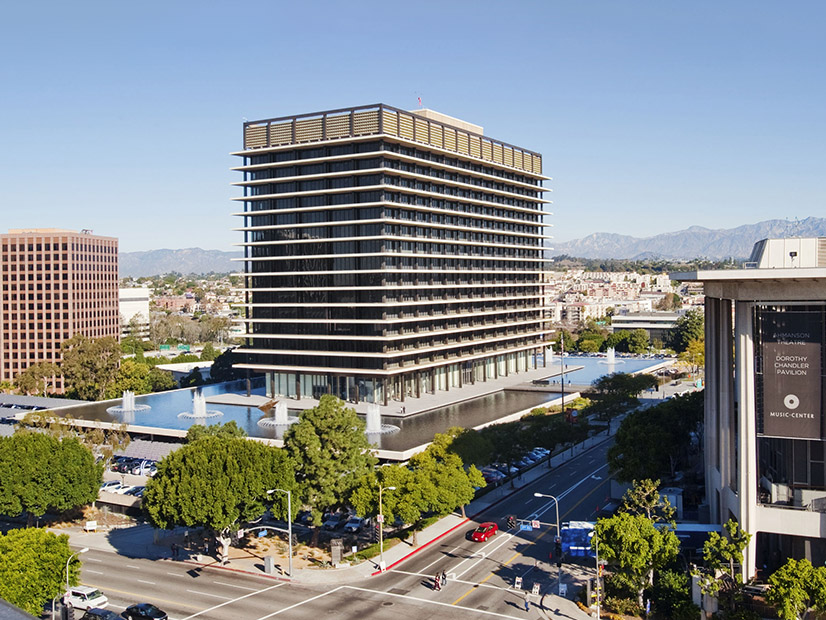
Participants in CAISO’s Extended Day-Ahead Market likely would remain subject to the market’s daily resource sufficiency evaluation even if they joined a new resource adequacy program that’s being crafted.
Grid Strategies
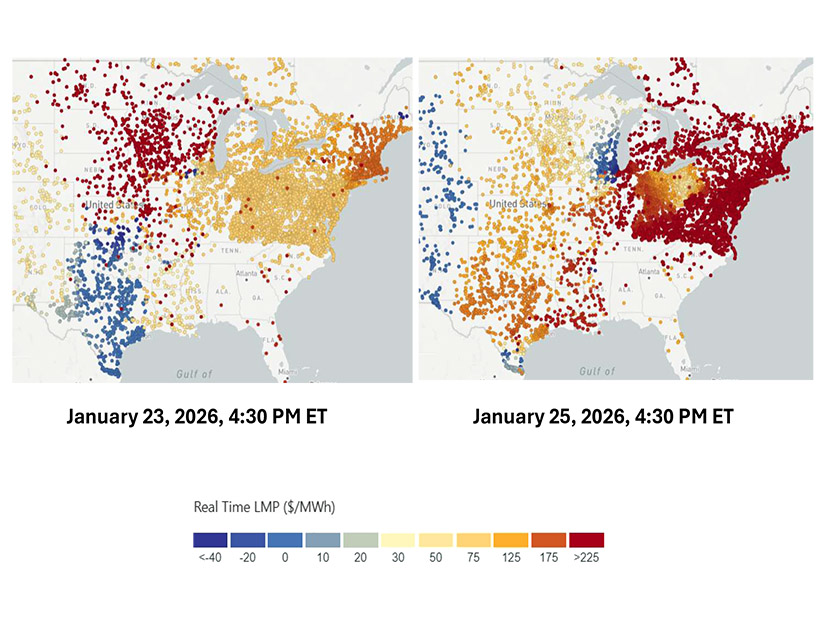
NERC CEO Jim Robb said in congressional testimony that while the bulk power system made it through the late January winter storm reliably, the weather highlighted how at risk it is.
Want more? Advanced Search