
Resource Adequacy
Resource adequacy is the ability of electric grid operators to supply enough electricity at the right locations, using current capacity and reserves, to meet demand. It is expressed as the probability of an outage due to insufficient capacity.
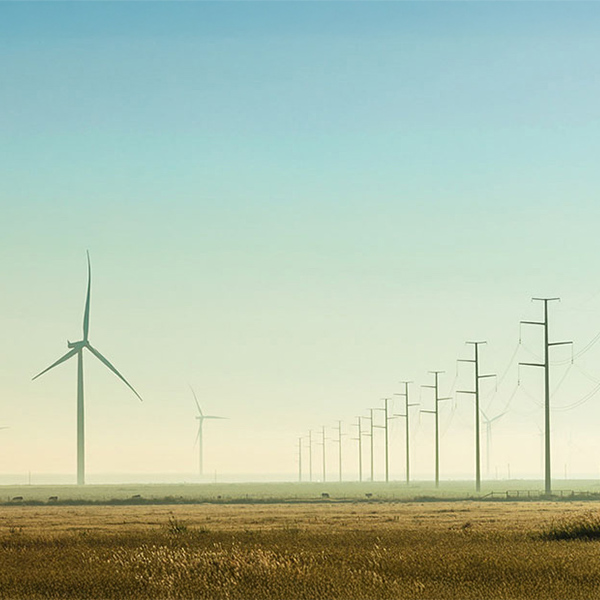
New Mexico Renewable Energy Transmission Authority
The Western Resource Adequacy Program Day-Ahead Market Task Force held its first meeting after the program’s binding decision deadline, with members exploring how the new participant footprint will impact transmission connectivity and other issues.
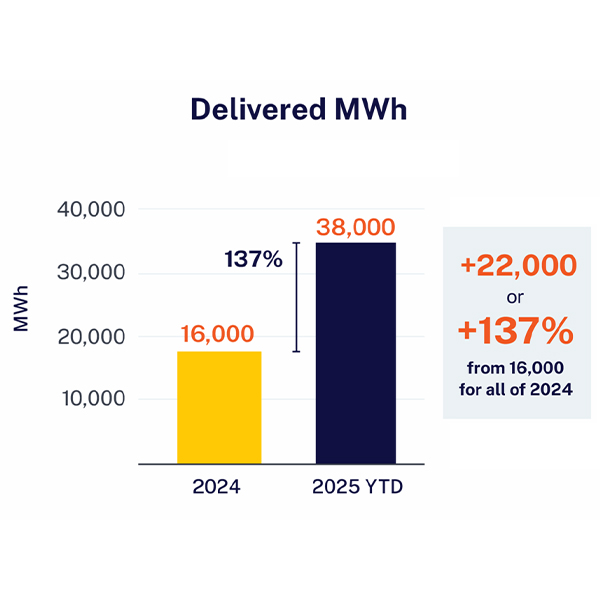
CPower
CPower saw its customers dispatched for a total of 38 GWh through the third quarter, beating all of last year's total dispatches of 16 GWh handily.
© RTO Insider
The NYISO Management Committee voted to approve the ISO’s 2025-2034 Comprehensive Reliability Plan, though stakeholders and the Market Monitoring Unit again voiced concerns with how it is structuring its planning.
© RTO Insider LLC
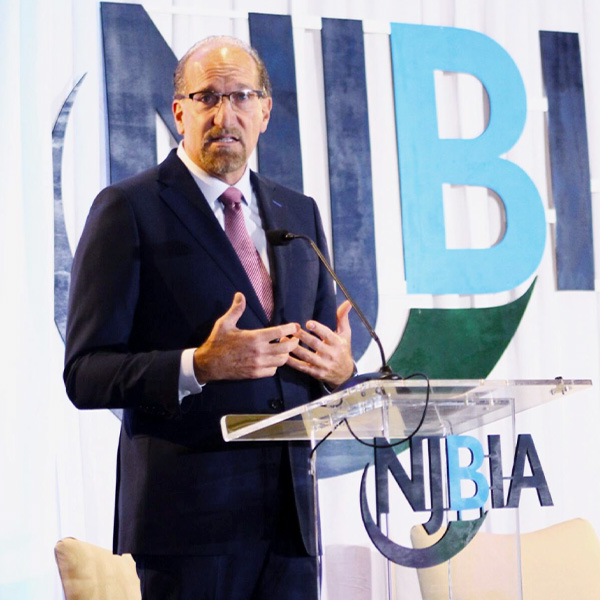
Speakers at a New Jersey energy conference discussed how to confront the energy shortfall and get more power online.
© RTO Insider
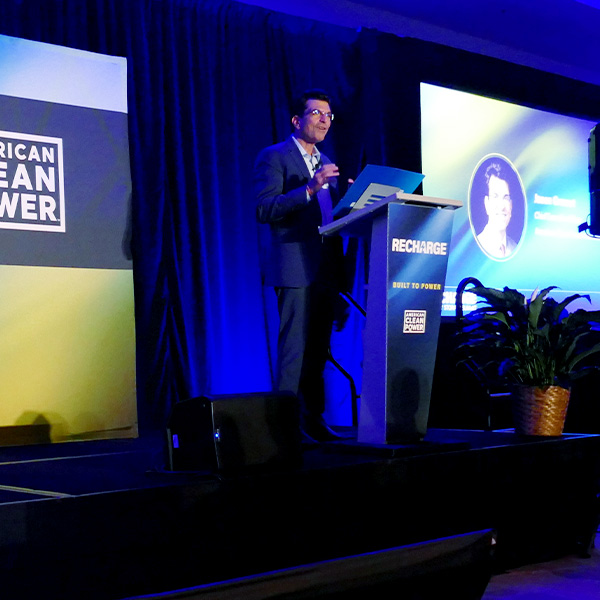
Reports of the energy storage industry’s demise are greatly exaggerated, experts said during the American Clean Power Association’s annual Energy Storage Summit.
© RTO Insider LLC
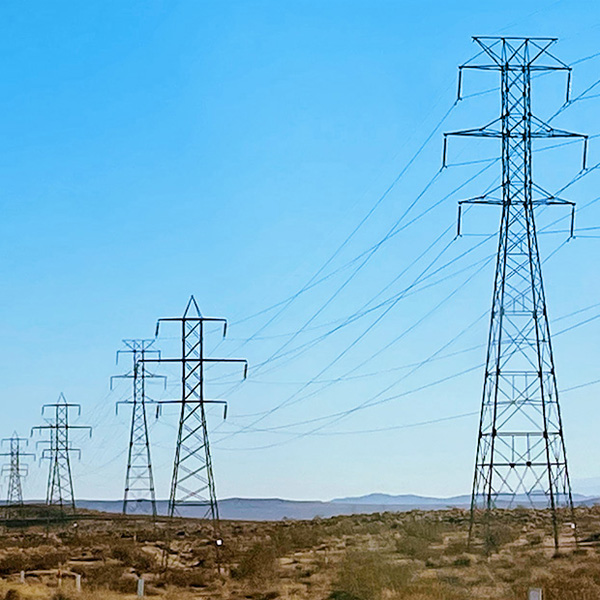
CAISO’s Board of Governors approved two proposals intended to improve how the ISO calculates resource adequacy values and tracks RA supply.
Dominion Energy
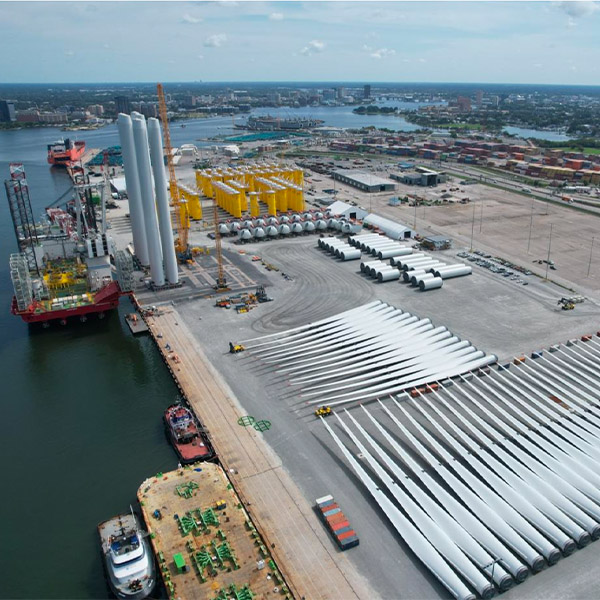
Dominion Energy reported $1 billion in net income in the third quarter, which saw it remain on track with its offshore wind project while its pipeline of data center customers grew yet again.

Seattle City Light
Sixteen entities have committed to participating in the Western Resource Adequacy Program’s first financially “binding” season covering winter 2027/28, the Western Power Pool said.

Shutterstock
PacifiCorp joins other utilities leaving the Western Power Pool’s Western Resource Adequacy Program just before the deadline to commit to the program’s first binding phase.

Portland General Electric
PGE is exploring an alternative to the Western Power Pool’s Western Resource Adequacy Program that better suits its upcoming participation in CAISO’s Extended Day-Ahead Market, the utility told Oregon regulators.
Want more? Advanced Search
