
Resource Adequacy
Resource adequacy is the ability of electric grid operators to supply enough electricity at the right locations, using current capacity and reserves, to meet demand. It is expressed as the probability of an outage due to insufficient capacity.

Duke Energy
The North Carolina Utilities Commission spent several days diving into the issues of meeting new demand from large loads like data centers.

CEC
A virtual power plant program with an indeterminate future set a record in 2025 for the capacity the plant contributed to California's electricity grid.
Yes Energy using Yes Energy’s Infrastructure Insights data
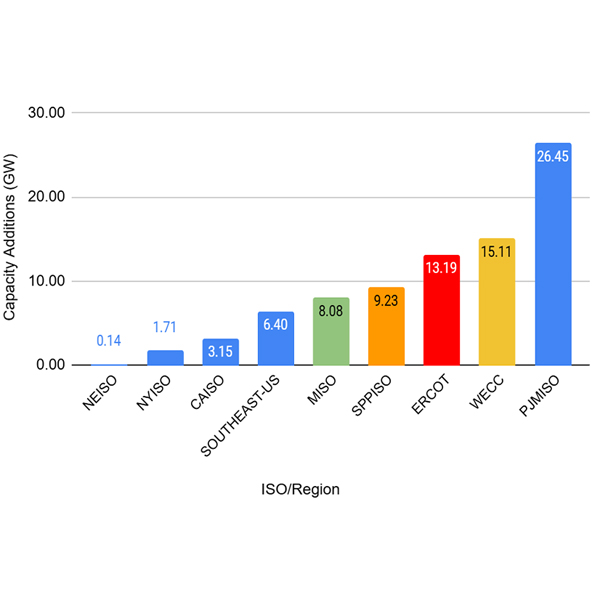
Data center-fueled demand growth continues to soar while reserve margins continue to shrink. Meanwhile, the timelines for building load versus building generation and transmission are wildly out of sync.

Jim Henderson, CC BY-SA-4.0, via Wikimedia Commons
The NYISO Operating Committee voted to approve the ISO’s draft Comprehensive Reliability Plan, though environmental groups and the Market Monitoring Unit voiced concerns.
Ameren Missouri
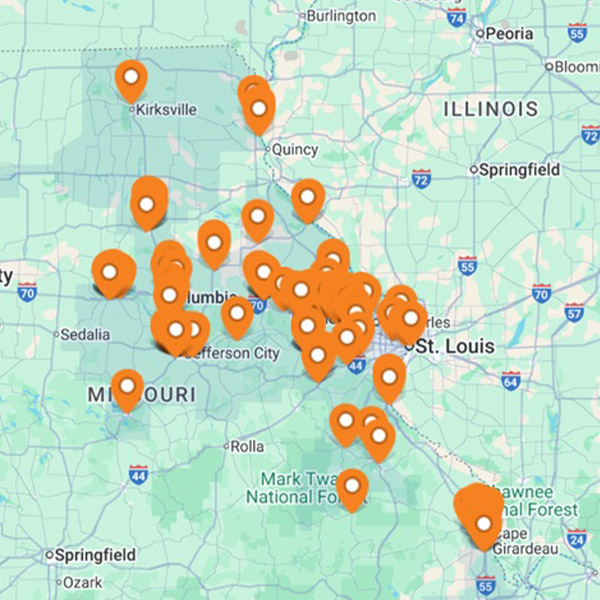
U.S. Sen. Josh Hawley (R-Mo.) requested that Ameren explain whether residential ratepayers are picking up the tab for grid upgrades necessary to accommodate data centers and other large industrial customers.

Shutterstock
FERC approved SPP’s tariff change to offer a provisional load interconnection process so the grid operator can study potential data centers and other large loads when there isn’t available power for the new facilities.

Astoria Generating Co.
New York City could be short as much as 650 MW in capacity in the summer of 2026, according to NYISO’s Short Term Assessment of Reliability for the third quarter.
Lawrence Berkeley National Lab and Brattle Group
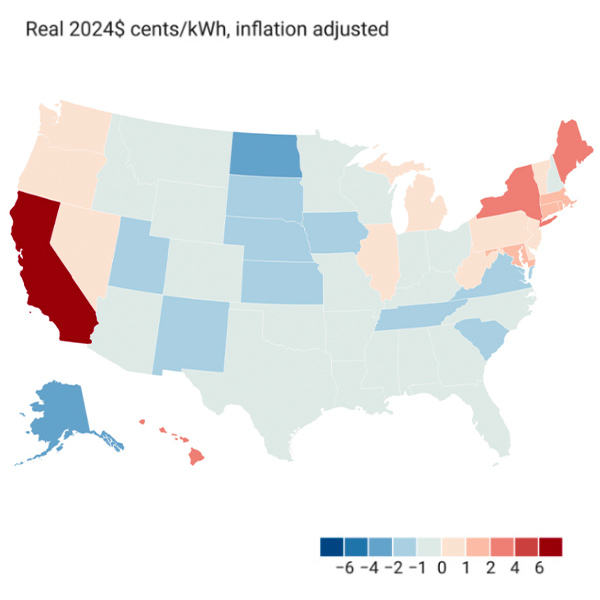
The Lawrence Berkeley National Laboratory released a paper recently examining why some states have seen retail power prices rise faster than inflation.

© RTO Insider LLC
The challenges of meeting soaring forecasts of data center load growth dominated the Organization of PJM States Inc. (OPSI) Annual Meeting.
PJM
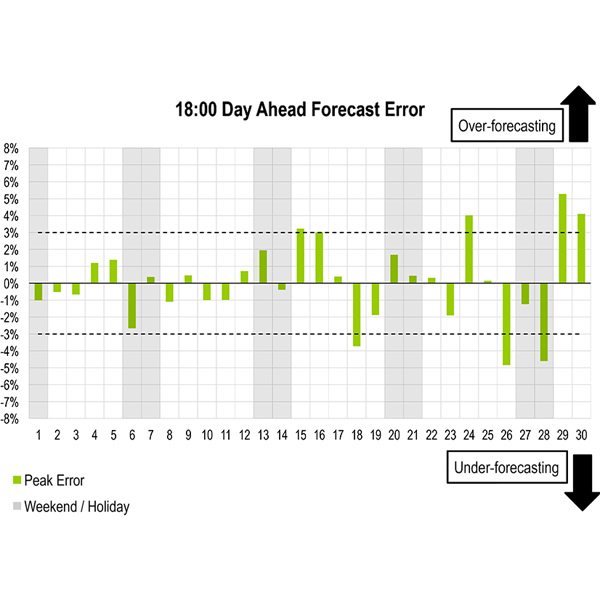
Stakeholders in the PJM Operating Committee have endorsed manual revisions reflecting the creation of modeling users forum.
Want more? Advanced Search
