Resource adequacy is the ability of electric grid operators to supply enough electricity at the right locations, using current capacity and reserves, to meet demand. It is expressed as the probability of an outage due to insufficient capacity.
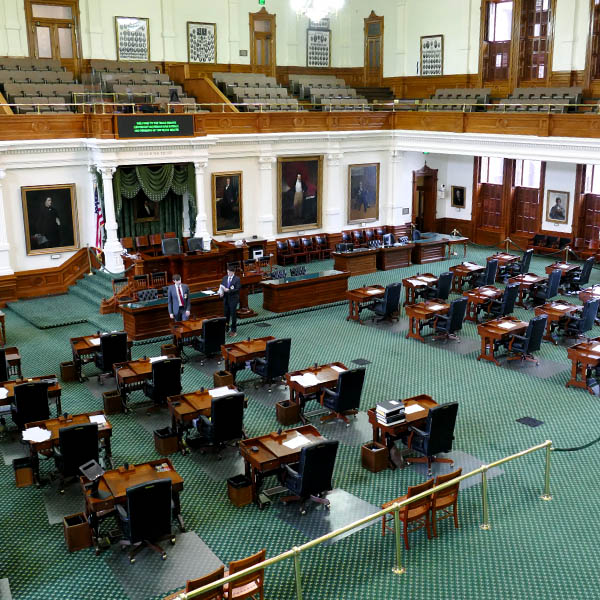
Another Texas legislative session has ended with renewable resources and batteries having survived potentially damaging legislation that did not make it to Gov. Greg Abbott's desk.
MISO leadership again promised to step up the RTO’s advance communication of tight system conditions following its four-hour load-shed directive for about 600 MW in Greater New Orleans.
Oregon Gov. Tina Kotek signed a bill designed to ensure that operators of large data centers pay for grid upgrades needed to supply them with electricity while avoiding shifting those costs to residential ratepayers.
NERC acknowledges it used mismatched data to calculate MISO's risk level in its Long-Term Reliability Assessment and plans to release a revised report soon.
MISO’s repackaged proposal to establish a temporary fast track in its interconnection queue resulted in a familiar division among MISO stakeholders, with vertically integrated utilities in favor and clean energy organizations opposed.
PJM presented changes to its submission and review processes for large load adjustments that are intended to provide stakeholders with more transparency before they are included in future load forecasts, as well as a draft proposal to standardize how it determines what share of LLAs will be included in its forecasts.
The Members Committee is set to vote on several proposals drafted by PJM and stakeholders to determine how to allocate costs associated with generators required to remain online through DOE’s emergency orders under FPA Section 202(c).
The Texas Reliability Entity has added key risks related to artificial intelligence and large loads as part of its annual reliability and regional risk assessment of the ERCOT grid.