
Resource Adequacy
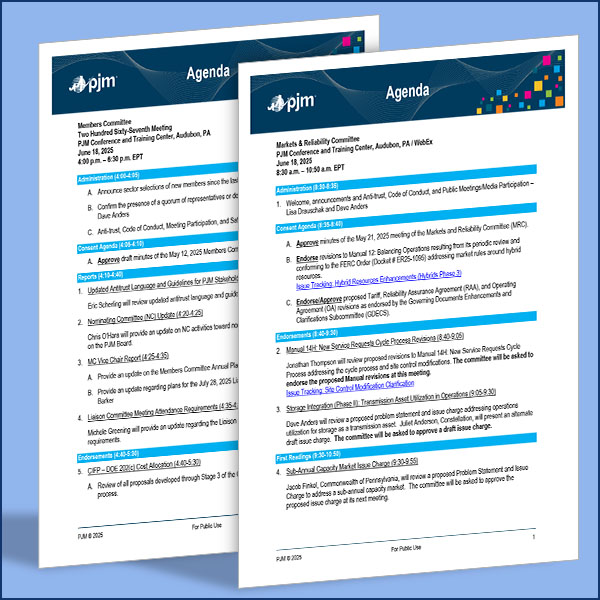
PJM and members will review proposals for allocating the costs of keeping Eddystone Generating Station operating under a Department of Energy emergency order.
SPP has dumped its “evolutionary, not revolutionary” value principle and is working to make things happen quickly in order to meet the pace of industry change.
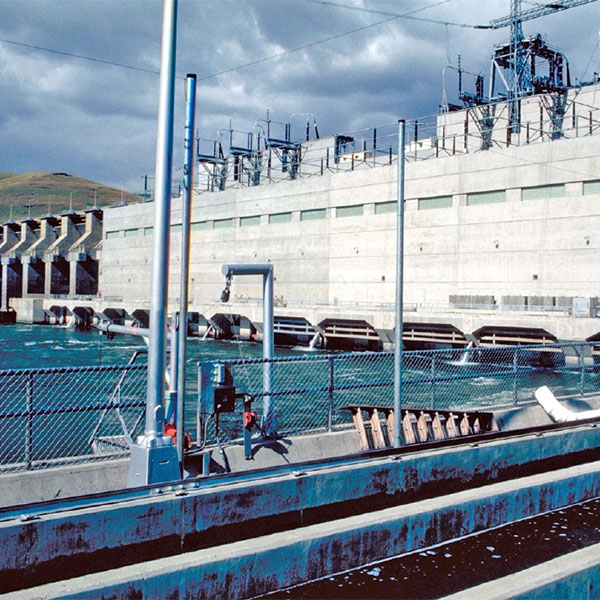
President Trump issued a memo directing the federal government to withdraw from a deal with four tribes and two states that considered the future operation of four dams on the Lower Snake River and eventually could have led to their breach.
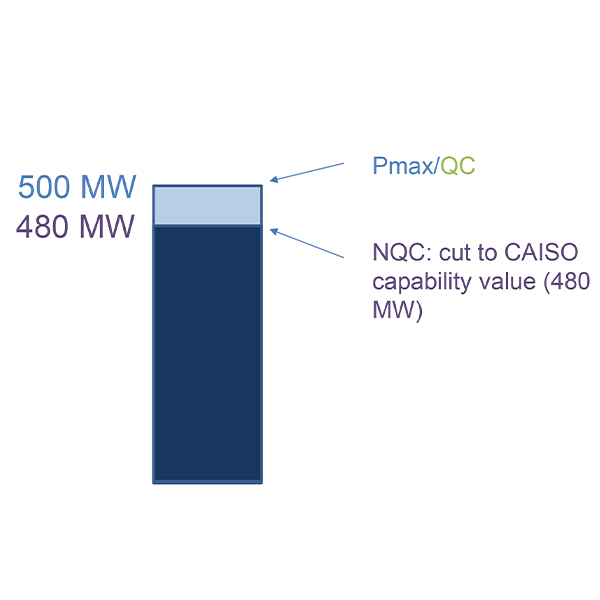
CAISO is proposing a new method for verifying how much energy thermal resources can provide during peak conditions on California’s grid for resource adequacy purposes.

MISO conceded to its Board of Directors that it should have done more to convey the danger it perceived ahead of the late spring load-shedding event in Greater New Orleans.

ERCOT stakeholders approved a protocol change that would register loads that can be curtailed under certain system conditions.

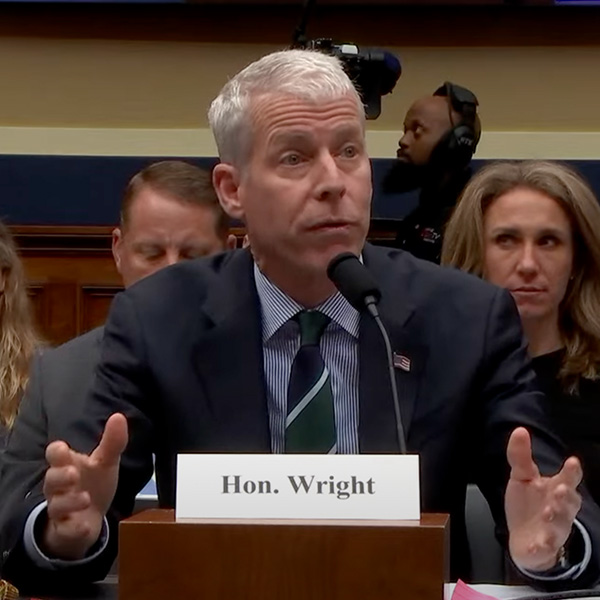
Energy Secretary Chris Wright talked about the process behind two recent orders mandating power plants that had planned to retire to keep running this summer at a House hearing that was focused on DOE's budget.
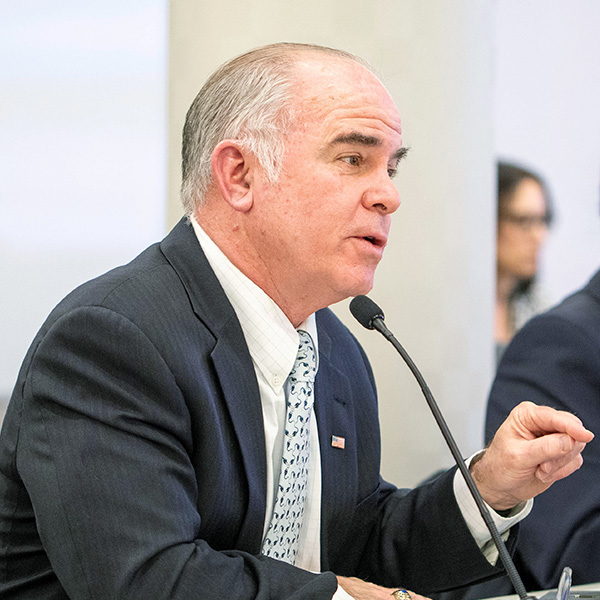
PJM’s Board of Managers initiated a critical issue fast path process to determine how to compensate Constellation Energy for continuing to run two gas-fired units at the utility’s Eddystone plant under a DOE emergency order.
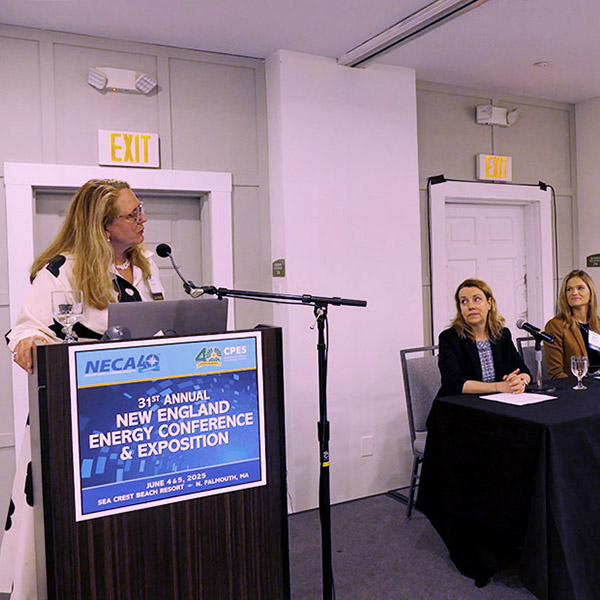
New England is unlikely to see the development of large-scale data centers in the next 10 years but likely will see smaller-scale developments, industry experts said at the New England Energy Conference and Exposition.
Want more? Advanced Search
