Resource Adequacy
Resource adequacy is the ability of electric grid operators to supply enough electricity at the right locations, using current capacity and reserves, to meet demand. It is expressed as the probability of an outage due to insufficient capacity.
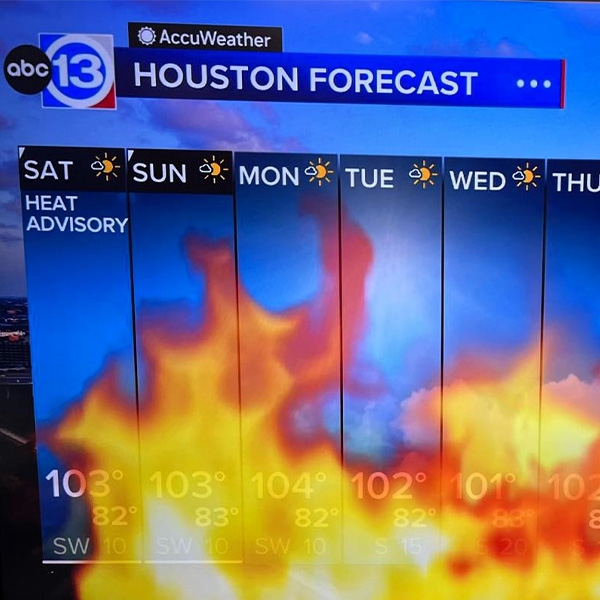
ABC13's Travis Herzog via Facebook
The ERCOT grid continues to operate under normal conditions, the grid operator said, even as this summer’s peak demand is 4.3% higher than last summer’s.
The Brattle Group
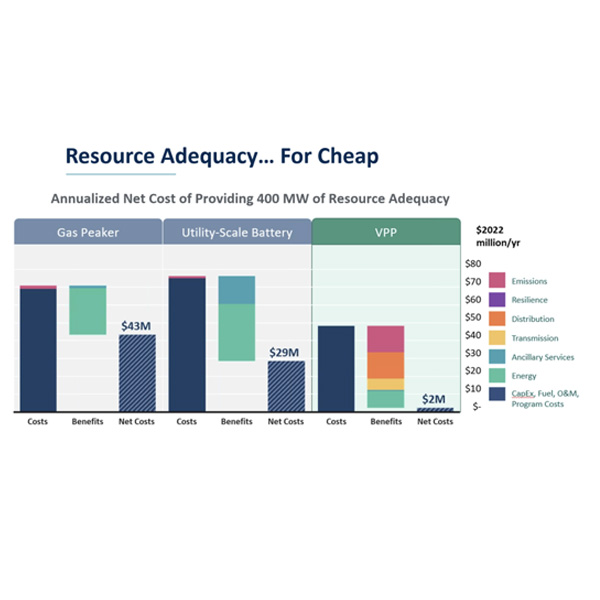
The Clean Energy Group hosted a webinar laying out the case to replace natural gas peaking plants with VPPs, as they would avoid harmful emissions in densely populated areas.

© RTO Insider LLC
ERCOT's average load exceeded 83 GW for the first time as temperatures remain above 100 degrees in most parts of Texas.
© RTO Insider LLC
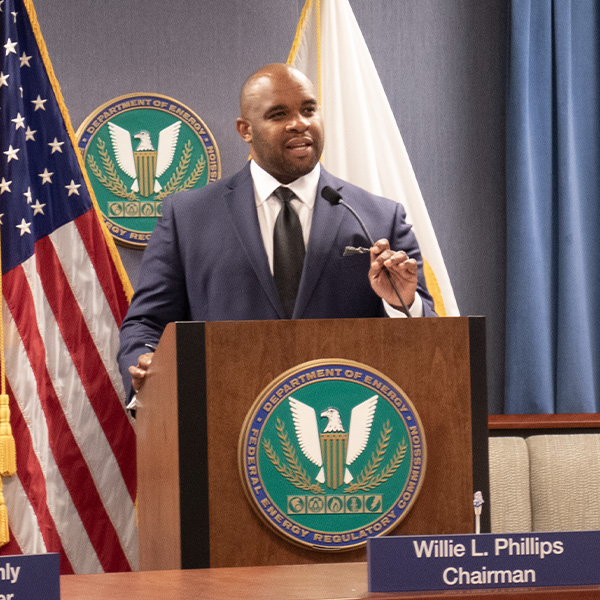
FERC approved Order 2023 at its regular meeting, requiring changes to its pro forma interconnection queue that are aimed at clearing up the backlog of more than 2,000 GW of resources.
CalCCA
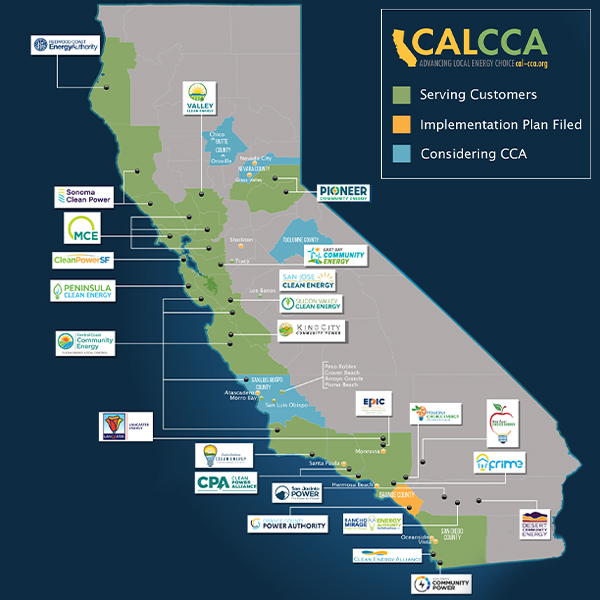
CalCCA is asking California regulators to reconsider a decision that blocks CCAs from expanding if they have had resource adequacy deficiencies in the past two years.
© RTO Insider LLC
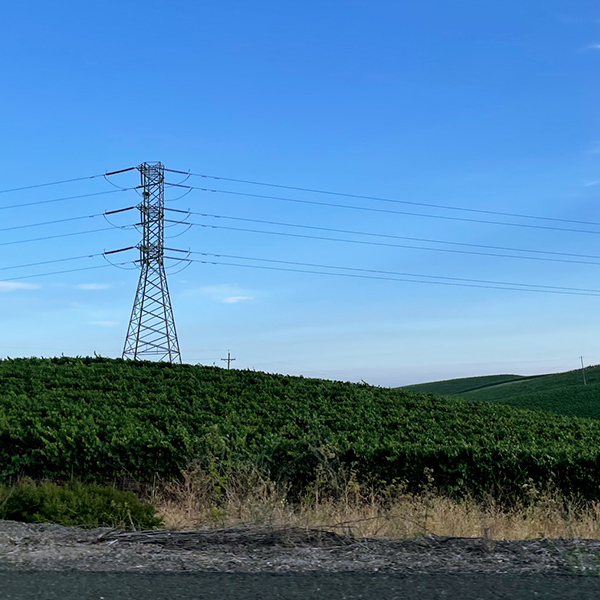
CAISO declared an EEA watch for a second straight day, citing “uncertainty” about energy supply and load forecasts, transmission constraints and high electricity demand in the Western U.S.

NYISO
NYISO addressed stakeholder questions in a statement it released about the predicted near-term reliability shortfall in New York City, and potentially statewide.
PJM
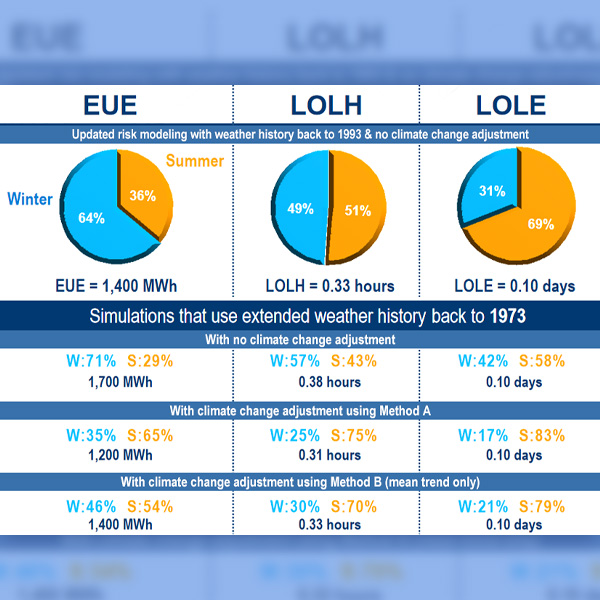
PJM showed updated risk analysis figures and stakeholders made new proposals during the July 17 Critical Issue Fast Path process meeting.
© RTO Insider LLC
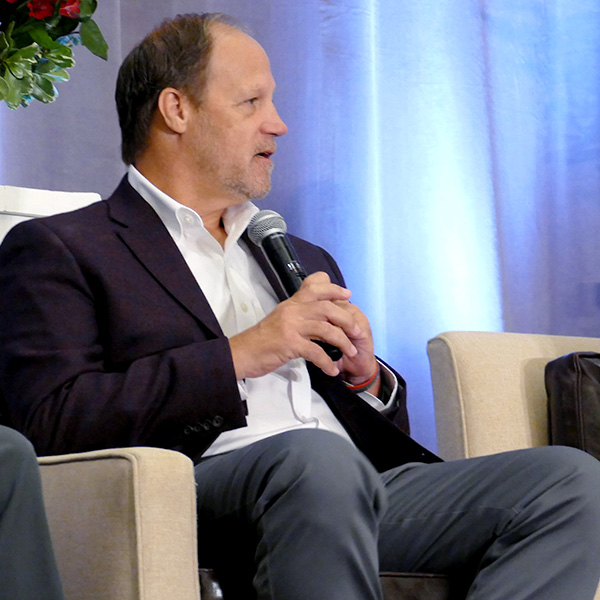
NARUC's annual Summer Policy Summit attracted more than 1,000 attendees for discussions on understanding and preparing for the challenges that lie ahead.
© RTO Insider LLC
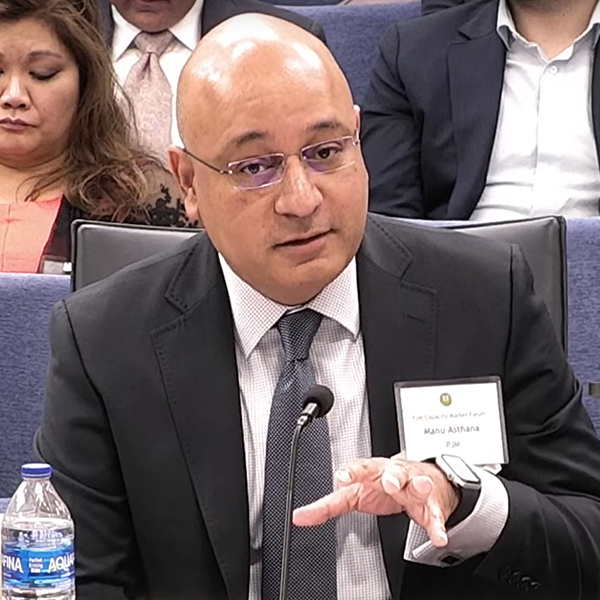
PJM responded to Ohio legislators' concerns about the cost impact of Illinois' climate policy, saying it could not split Ohio out of related transmission planning and pledging to work with lawmakers going forward.
Want more? Advanced Search