
Transmission Operations
CAISO
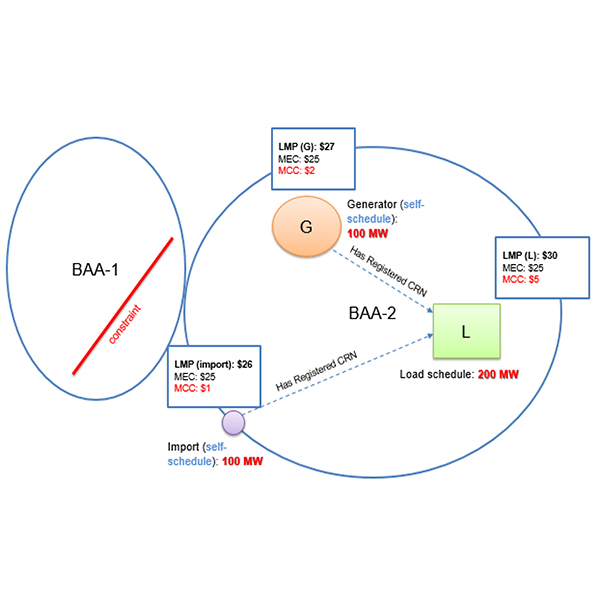
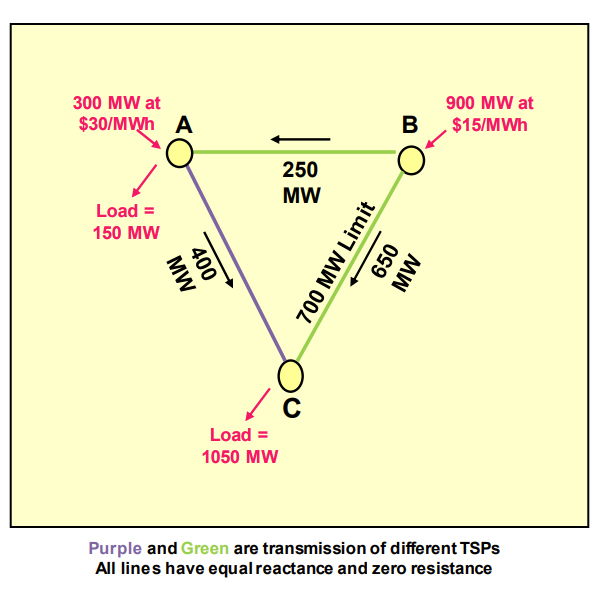
CAISO released a draft final proposal detailing how EDAM will allocate congestion revenues in circumstances when a transmission constraint in one BAA produces “parallel” flows in a neighboring BAA also participating in the market.
NERC
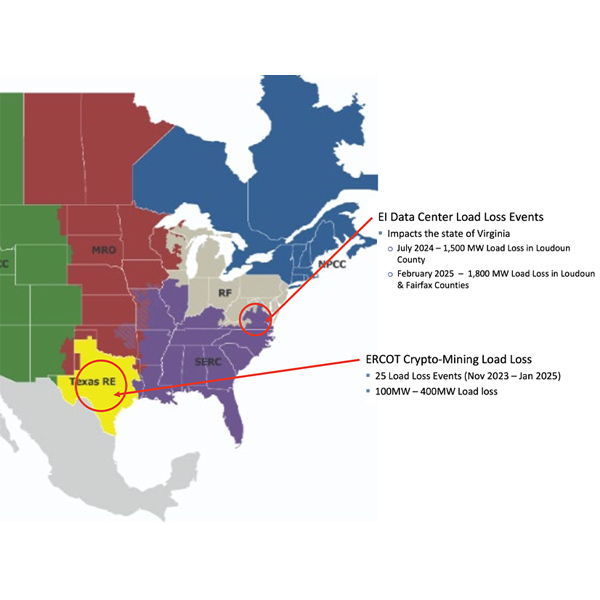
FERC heard details about recent reliability incidents caused by data centers tripping offline in Virginia and Texas and NERC's efforts to address them.
PG&E
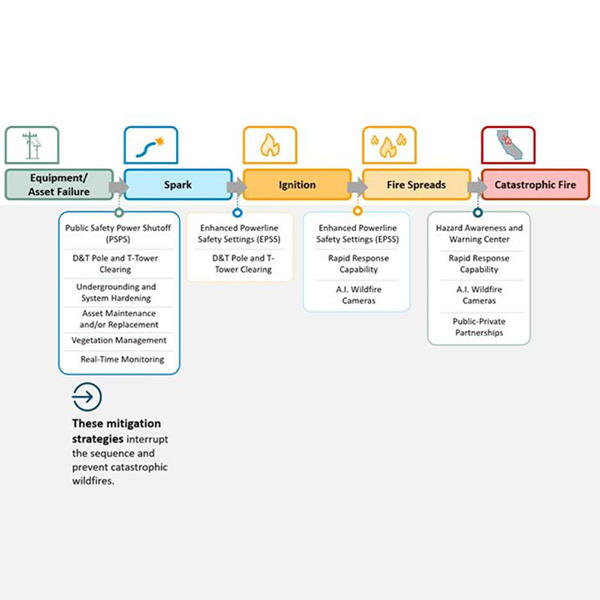
A new three-year wildfire mitigation plan from Pacific Gas and Electric incorporates tried-and-true strategies such as undergrounding power lines, as well as some newer approaches such as pole-mounted sensors

Shutterstock
Utilities in the West are gearing up for another wildfire season, equipped with new technology and lessons learned from recent fires in Los Angeles they hope can assist in mitigation work.
Shutterstock
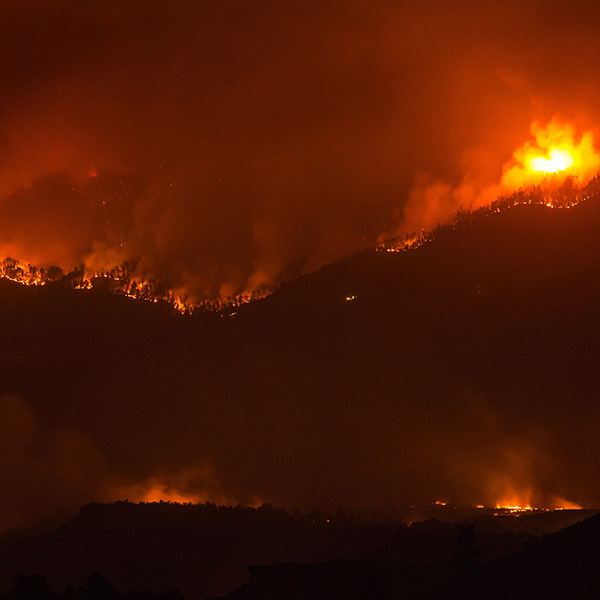
Western lawmakers have advanced efforts to provide the power industry with more guidance amid increased wildfire risk, panelists discussed during a joint CREPC-WIRAB conference.
CAISO
The complex issue regarding congestion revenue allocation in CAISO’s Extended Day-Ahead Market continues to raise questions and cause some confusion for market participants.

Shutterstock
PJM and Alphabet on April 10 announced a partnership to develop a suite of new tools using artificial intelligence to speed the RTO’s generation interconnection process.
ERCOT
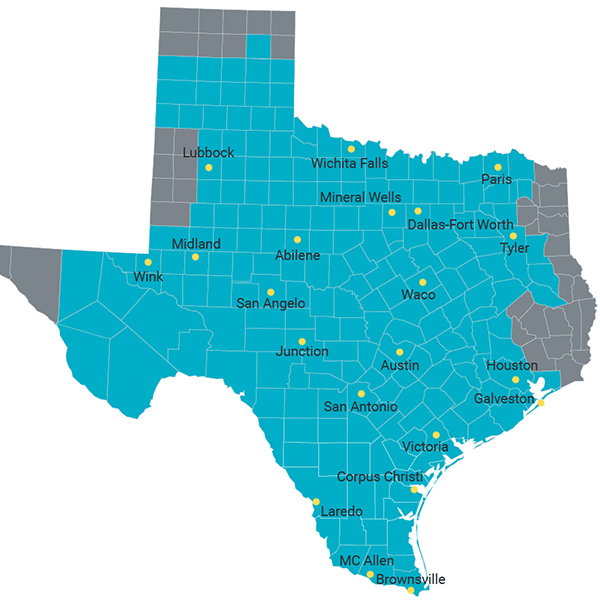
ERCOT, Oncor and the Texas PUC asked FERC to deny a petition from Puerto Rican company Pluvia to bring the territory under the commission’s jurisdiction.
© RTO Insider
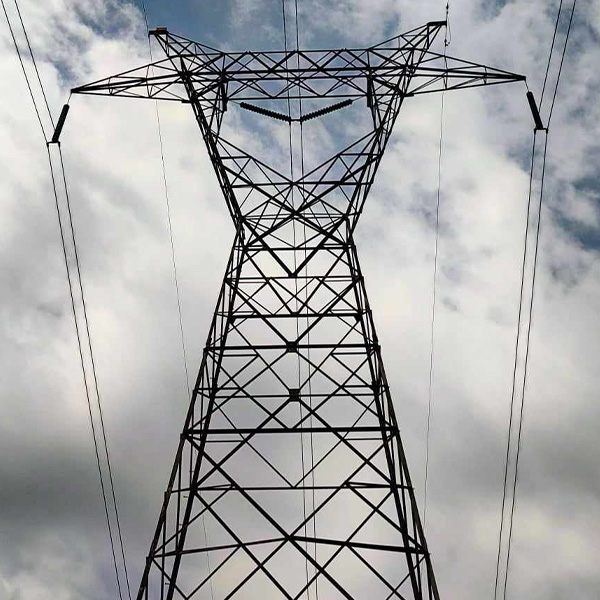
The Edison Electric Institute, GridWise Alliance and WIRES asked FERC to end a proceeding that has been open for five years to consider cuts to transmission incentives.
PJM
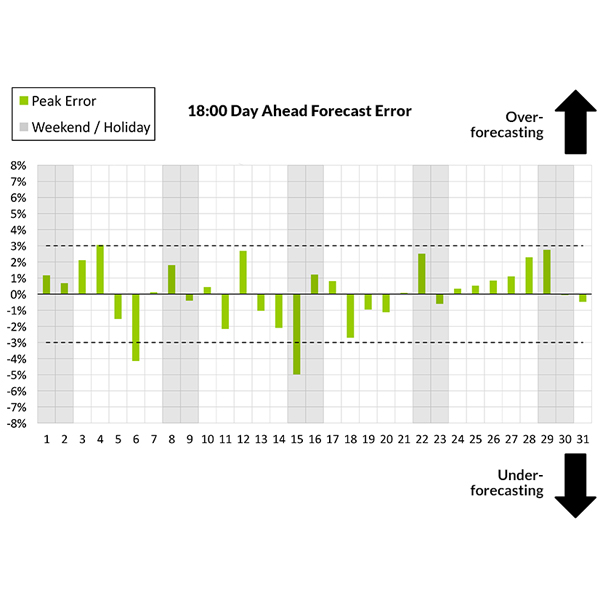
The Operating Committee endorsed a pair of manual revisions and heard an update on the implementation of PJM’s regulation market redesign.
Want more? Advanced Search
