
Transmission Operations
© RTO Insider LLC
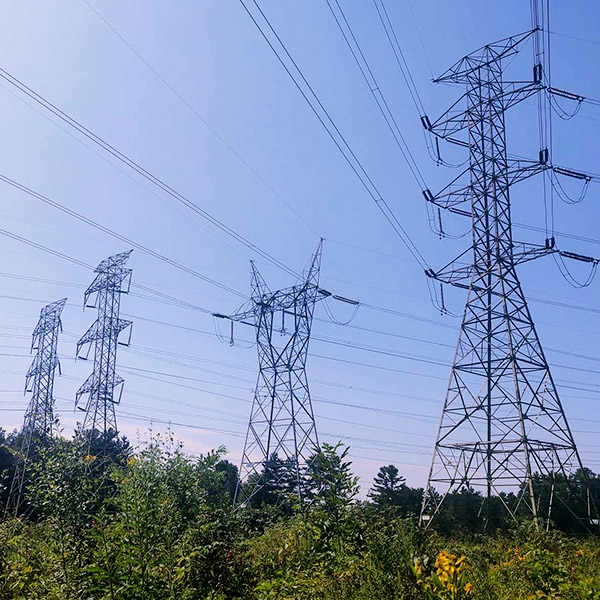
NYISO proposed to increase the Rate Schedule 1 carryover to $5 million, while the Installed Capacity Working Group discussed different ways to incentivize transmission security via the markets.

Shutterstock
The dispute between Exelon and Constellation Energy continued to play out in FERC, as the latter and others protested a series of filings from the former’s utilities seeking to implement new rules for co-locating data centers at power plants in their territories
Bipartisan Policy Center
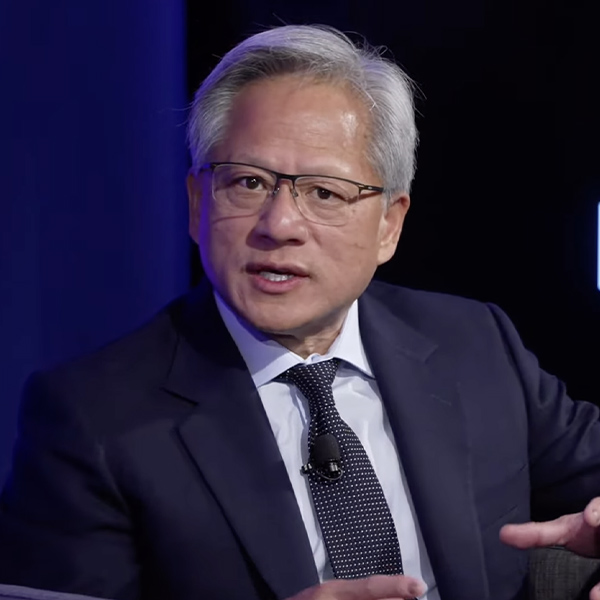
Nvidia CEO Jensen Huang explained why AI is driving such high demand for electricity and how it could benefit the power grid, and society more generally, in the near future.

© RTO Insider LLC
MISO, PJM and SPP have failed for years to find a suitable replacement for a 20-year-old system reference they use to portion out flow rights on their system, the so-called freeze date.
© RTO Insider LLC
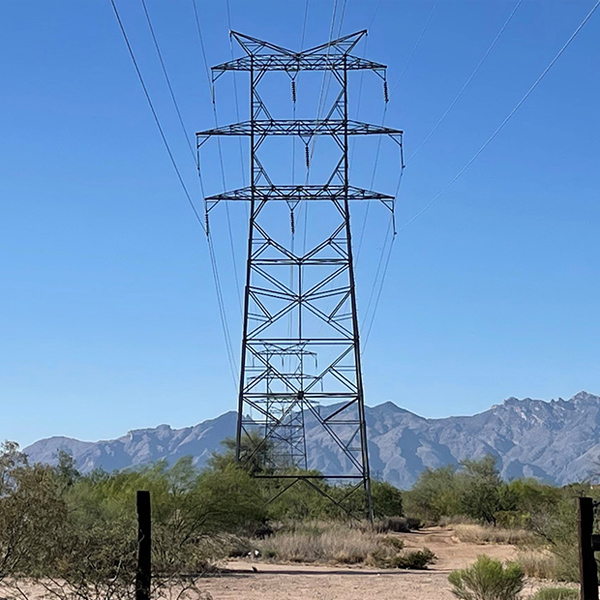
California's governor has signed a bill that proponents say will speed the deployment of grid-enhancing technologies — techniques that can rapidly boost grid capacity and increase the use of renewable resources.

© RTO Insider LLC
New England transmission owners discussed updates to the guidelines for asset condition project presentations at the ISO-NE PAC to address concerns from states about transparency amid ballooning costs.

Shutterstock
Advanced transmission technologies can help utilities meet the rising levels of demand that are stressing the grid, according to a report from the Massachusetts Institute of Technology’s Center for Energy and Environmental Policy Research.
© RTO Insider LLC
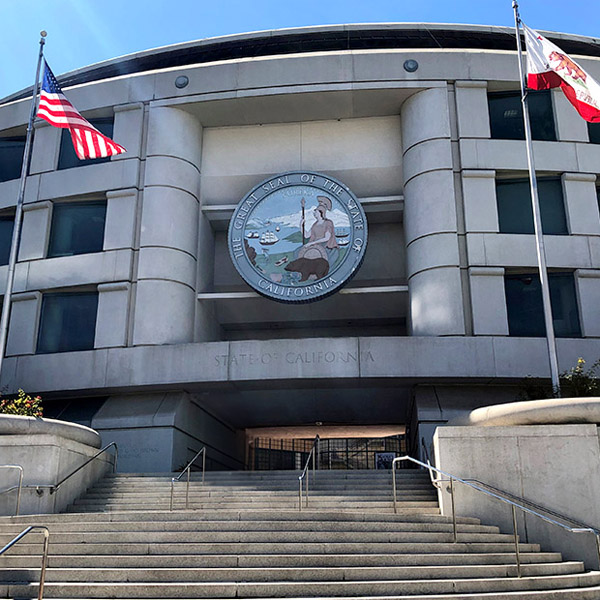
The California PUC approved rules requiring the state’s three large investor-owned utilities to meet stricter timelines and targets for connecting electricity customers to the grid.
PJM
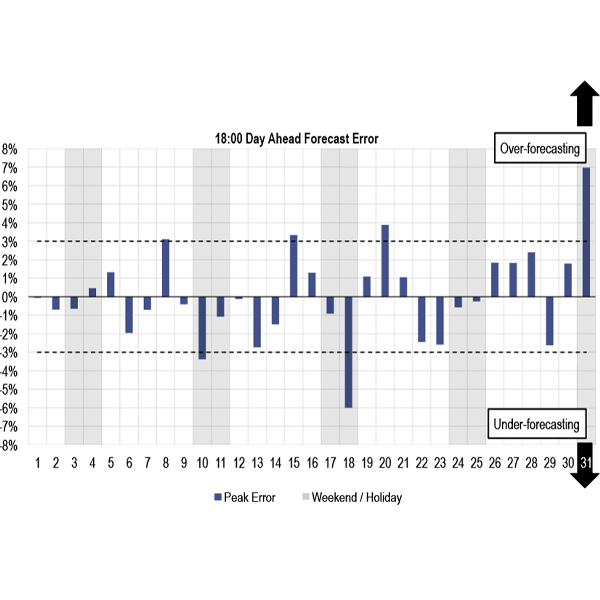
The first biennial test of voltage-reduction capability was a success, PJM told the Operating Committee during its meeting.
FERC
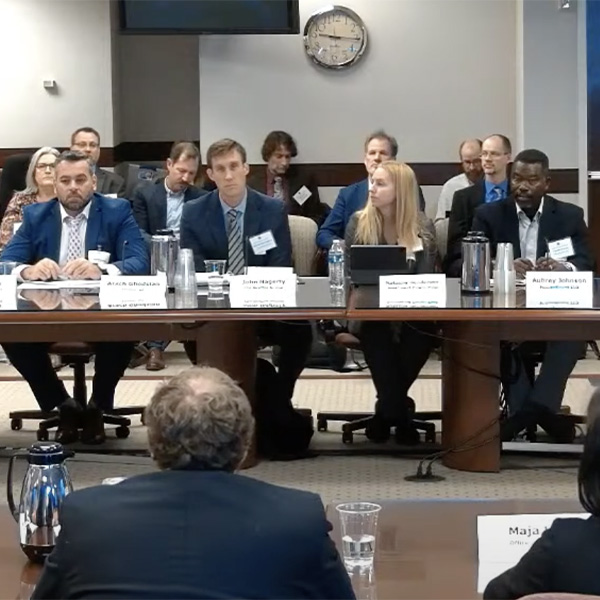
FERC is still working to implement the changes to its generator interconnection rules from Order 2023, but it is also considering further changes, as it held a two-day workshop to gather more input.
Want more? Advanced Search
