Transmission Planning
Northwest Power and Conservation Council
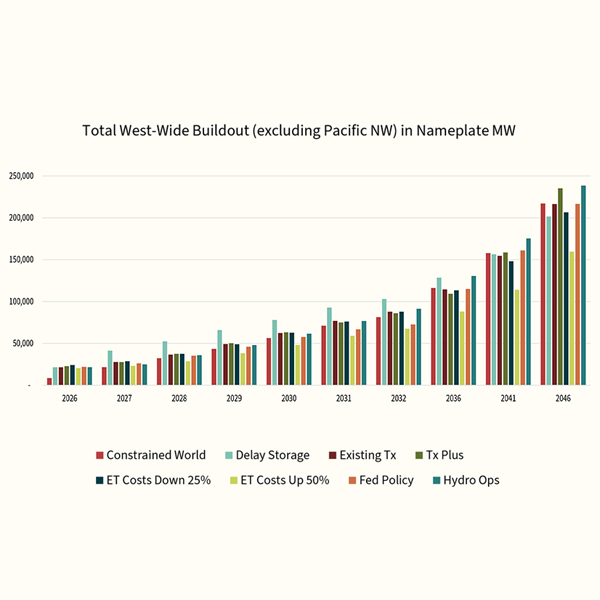
The buildout of new resources in the Western Interconnection over the next 20 years is “remarkably similar” across a variety of scenarios tested by NWPCC’s market availability study.
Invenergy
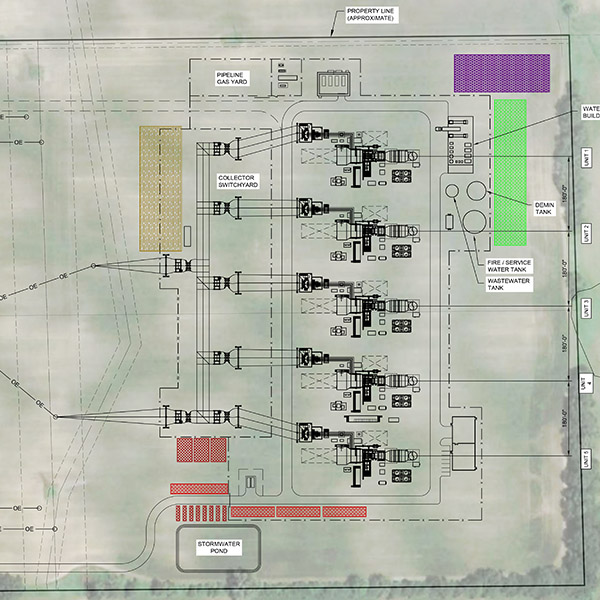
Environmental groups are further pressing their opposition to MISO's and SPP’s fast-track studies for primarily fossil fuel projects, challenging both at the D.C. Circuit in a pair of lawsuits.
MISO
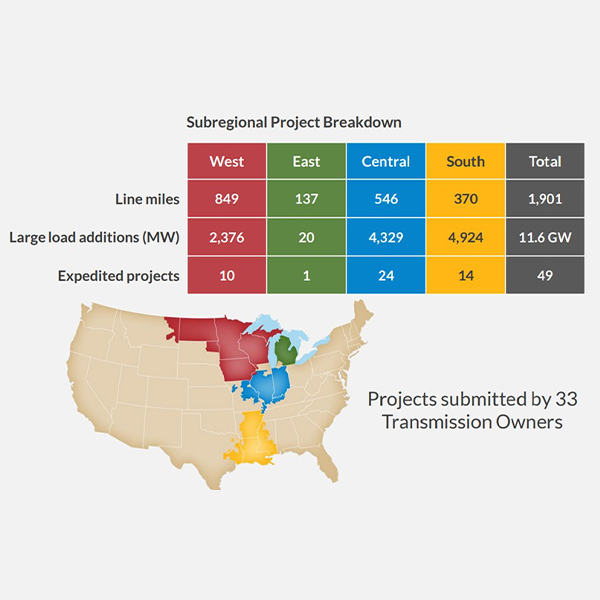
A MISO board committee advanced 432 projects from transmission owners at a cost of almost $12.3 billion under the RTO’s 2025 Transmission Expansion Plan.
ISO-NE
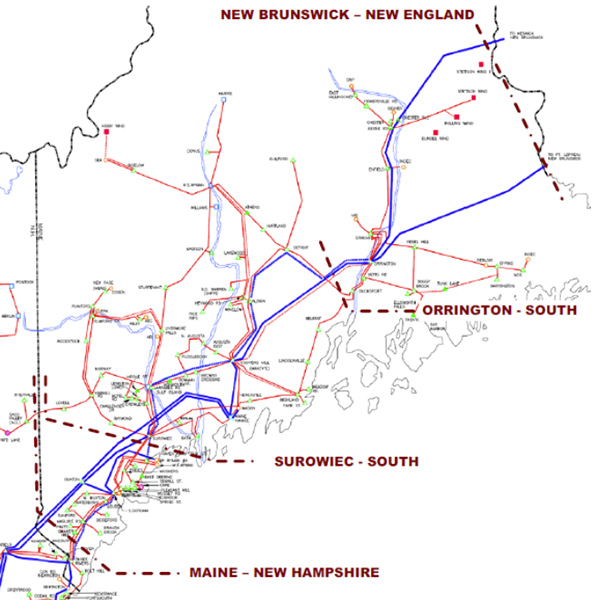
ISO-NE published a summary of proposals submitted for its first longer-term transmission planning procurement, which is aimed at reducing transmission constraints.

© RTO Insider
State regulators say the push to give FERC jurisdiction over large load interconnections could leave the agency biting off more than it can chew around complex state-run processes, while failing to accomplish the intended goal of speeding approvals of hyperscale data centers.

Grid Strategies
A new report WIRES commissioned from Grid Strategies quantifies the costs consumers face from delayed transmission projects based on analysis of eight major portfolios from four different markets around the country.
Shutterstock
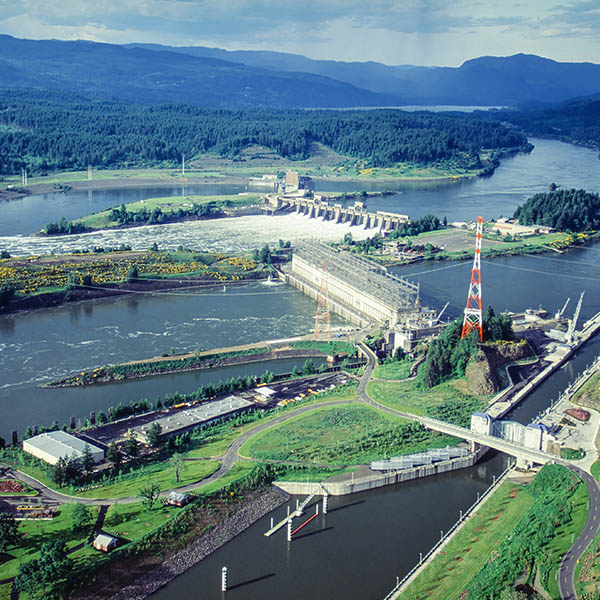
The Bonneville Power Administration has resumed hiring after workforce reductions and a federal hiring freeze earlier in 2025.
Entergy Texas
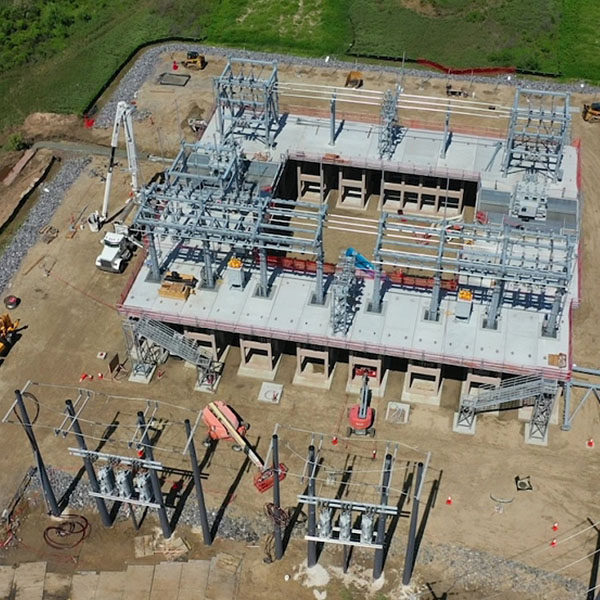
MISO announced it will honor a request from Texas regulators and include southeastern Texas in its first long-range transmission study for MISO South.
MISO
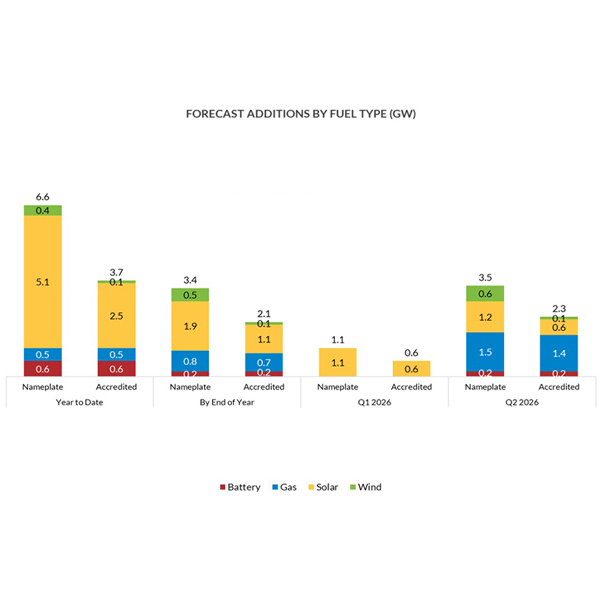
MISO’s generator interconnection queue now totals 174 GW across 944 projects, a result of several developers dropping out of the line in recent months.

© RTO Insider
SPP state regulators have approved several motions related to FERC Order 1920’s mandate for long-term, scenario-based planning to ensure the system can meet future needs and be fairly compensated.
Want more? Advanced Search