
Transmission Planning
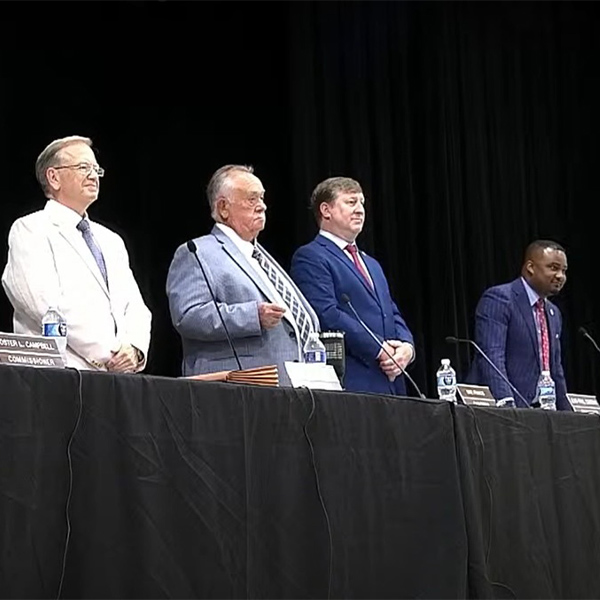
Louisiana PSC
The Louisiana Public Service Commission voted two months earlier than initially planned to approve 2.3 GW in new Entergy gas plants to supply a new, $10 billion Meta data center.
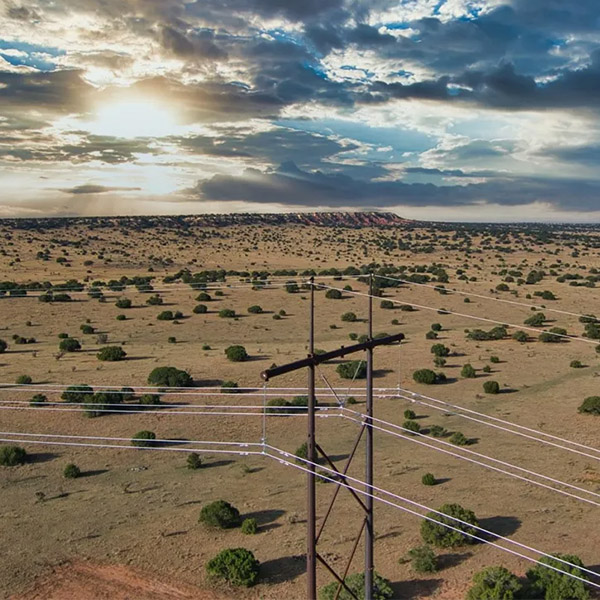
Pattern Energy
The WRAP DAM Task Force is finalizing a concept paper that outlines proposed principles for the program under the new day-ahead market landscape.

© RTO Insider
The tone of Infocast’s 2025 Midcontinent Energy Summit was noticeably apprehensive compared with last year, owing to political and regulatory uncertainty, load growth ambiguity, fluctuating tariffs and a pending complaint against MISO’s long-range transmission plan.
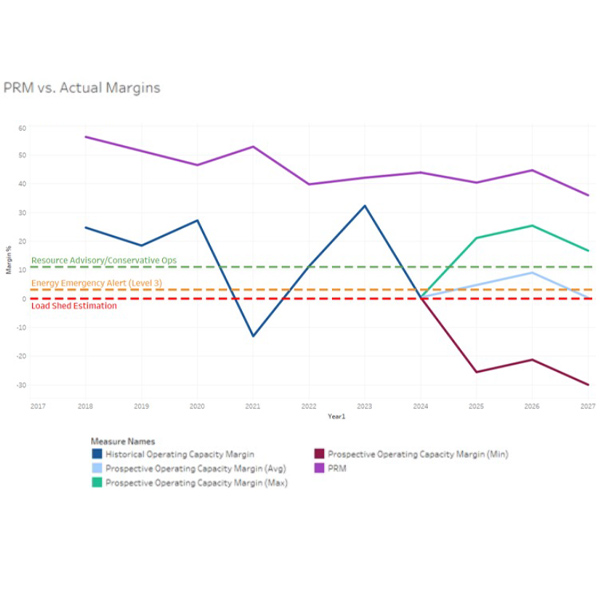
SPP
FERC has approved SPP’s tariff revision that establishes separate planning reserve margins for the summer and winter seasons, saying it will provide “more granularity” by recognizing the reliability differences between the two seasons.
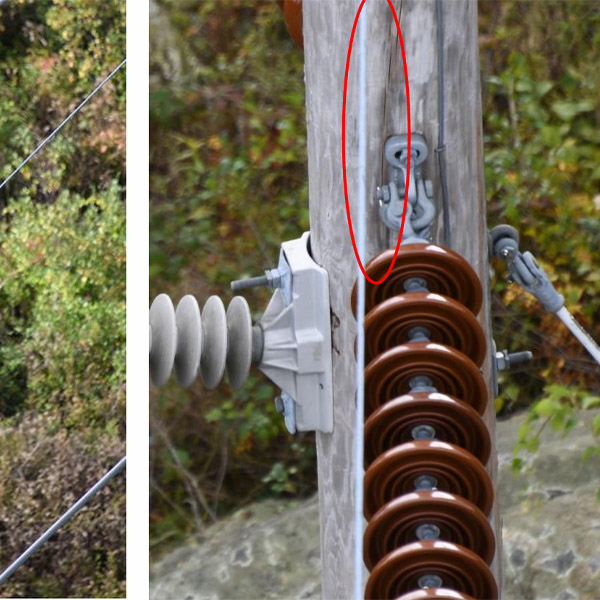
Rhode Island Energy
New England transmission owners have added 39 new projects in the annual update to the region’s asset condition forecast, the companies told the ISO-NE Planning Advisory Committee.
Grid North Partners
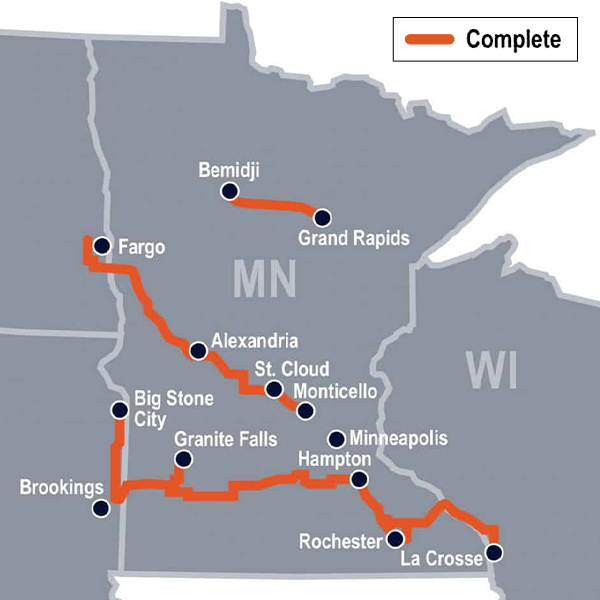
The American Council on Renewable Energy hosted “Powering Progress: States Leading on Transmission Collaboration” to examine the outcome of past multistate efforts and the drive for further collaboration.
© RTO Insider
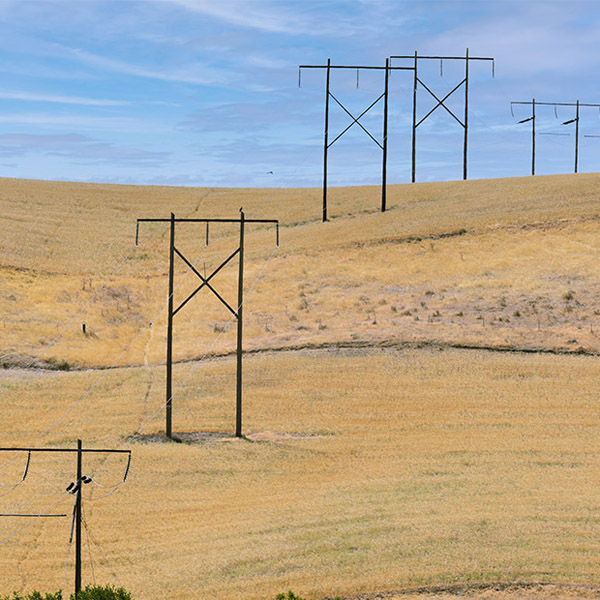
The Oregon Department of Energy’s new draft energy strategy points to the importance of new transmission development and expanding electricity markets for meeting the state's energy goals.
Duke Energy
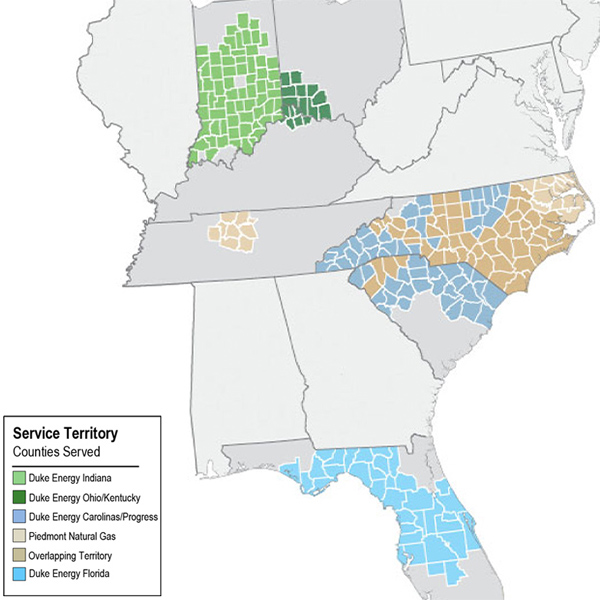
Duke Energy has asked state and federal regulators to combine its two electric utilities that serve the Carolinas in a move it said would result in billions of dollars of customer savings.
© RTO Insider
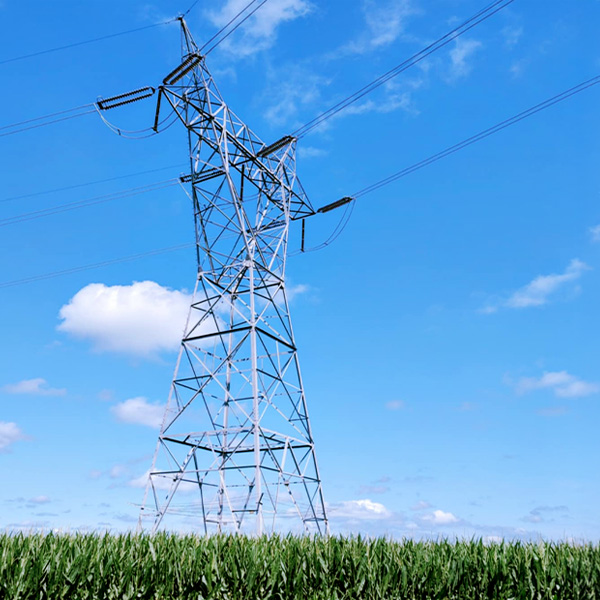
Members of the Organization of MISO States are divided on whether the organization should register comments in a FERC complaint that could fundamentally change the way MISO can plan its long-view transmission.
© RTO Insider
The New York Public Service Commission denied the New York Power Authority’s petition to grant the Clean Path New York transmission project priority status.
Want more? Advanced Search
