
Transmission Planning

© RTO Insider LLC
Former FERC Chair Richard Glick faced off against his old colleague, Commissioner Mark Christie, over FERC Order 1920 in the general session of the Western Conference of Public Service Commissioners’ annual summit.
FERC
The ultimate future of FERC Order 1920 depends on rehearing, implementation and inevitable litigation, but after reading through the order itself in the past week, many stakeholders see it as an important step forward in expanding the grid.
Senate ENR Committee
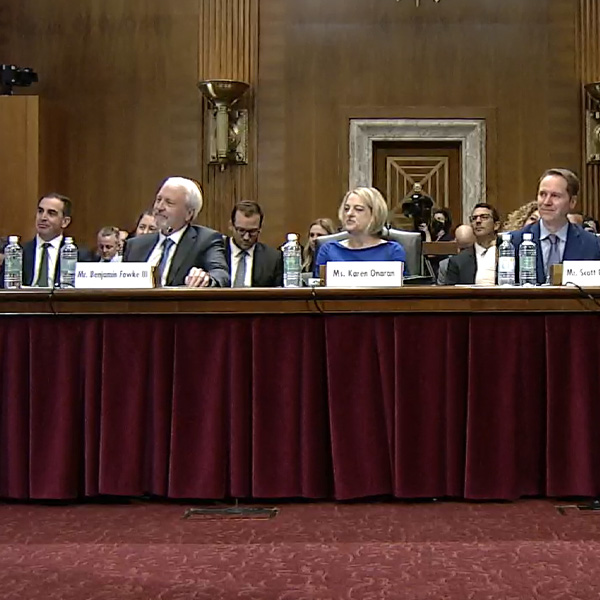
Sen. Joe Manchin rebuffed Majority Leader Chuck Schumer's assertion that permitting reform was dead in the current Congress during an Energy and Natural Resources Committee hearing on load growth from data centers.
MISO, using Ventyx Velocity Suite
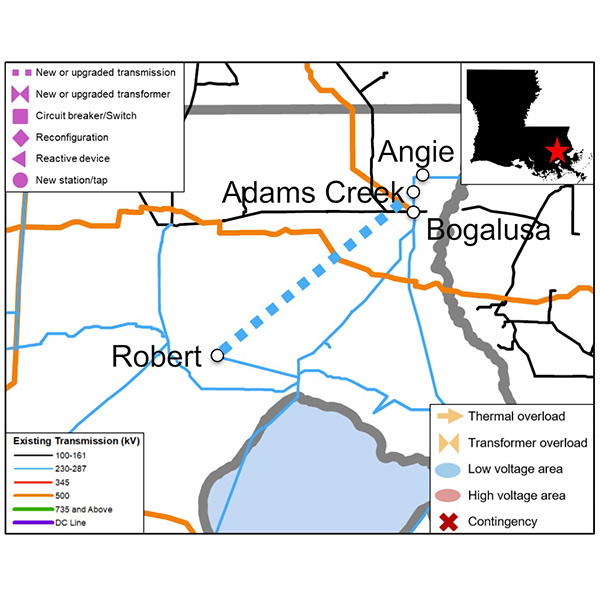
MISO announced it was unable to land on a suitable substitute for a $260 million Entergy Louisiana reliability project about eight months after it announced an alternatives study.
FERC
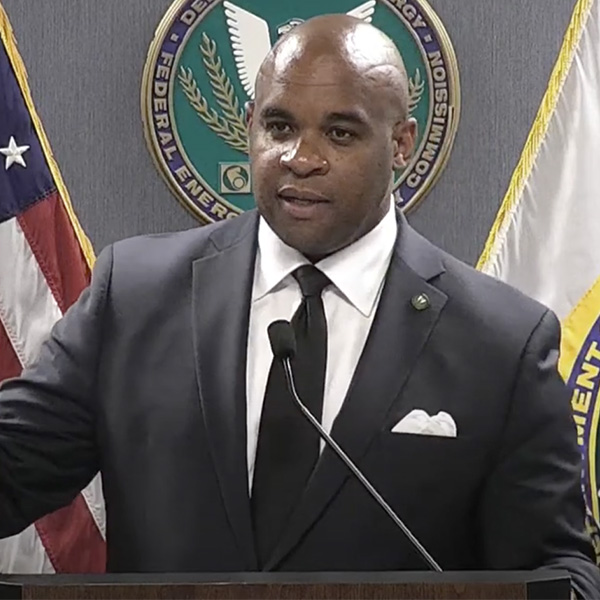
FERC issued Order 1920, its long-awaited final rule on long-term regional transmission planning and cost allocation, but it could not fulfill hopes for a unanimous vote.
PJM
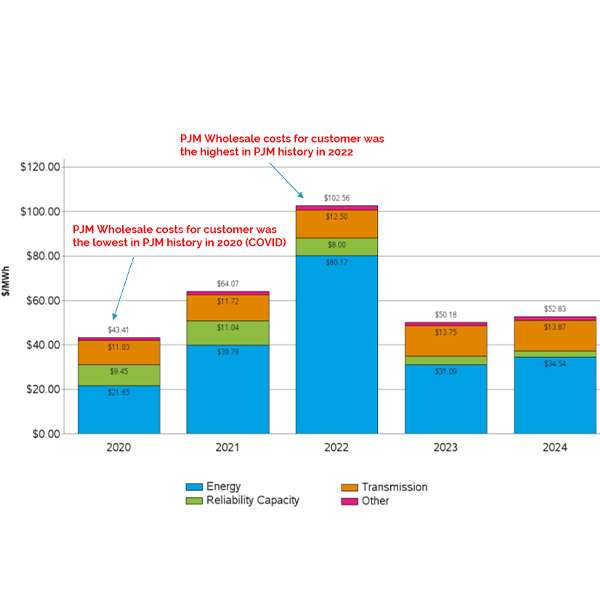
The Public Interest and Environmental Organization User Group discussed generation deactivations, filing rights over regional planning and long-term transmission projects with the PJM Board of Managers.
Center on Global Energy Policy
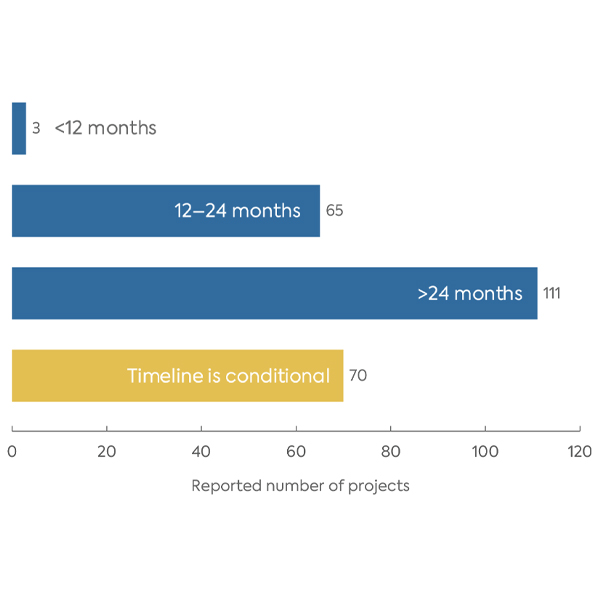
Lengthy wait times in PJM’s generator interconnection queue are interacting with siting and permitting timelines, supply chain disruptions and inflation to contribute to increasingly long construction periods, according to a study released by Columbia University’s Center on Global Energy Policy.
© RTO Insider LLC
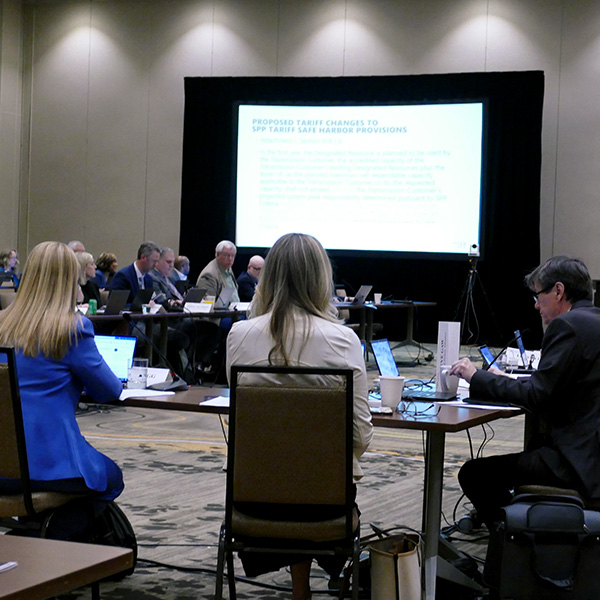
SPP CEO Barbara Sugg warned the RTO’s board and stakeholders that the grid operator faces new and stronger headwinds, even as it met its corporate goals’ first-quarter milestones.

Northern Indiana Public Service Co.
MISO and PJM announced they will embark on a new joint transmission study in the latter half of this year that concentrates on upping their interregional transfer capability.

Shutterstock
FERC is taking the rare step of holding a special open meeting May 13, a Monday, to vote on a proposal to overhaul its transmission planning and cost allocation rules.
Want more? Advanced Search
