Special Reports & Commentary

ERCOT
Fintan Slye, CEO of Great Britain’s National Energy System Operator, will join ERCOT CEO Pablo Vegas to kick off the ISO's third annual Innovation Summit that brings together industry stakeholders and thought leaders.

Shutterstock
Maryland's 2026 legislative session could show how states facing explosive demand growth can achieve their clean energy and affordability goals despite the Trump administration’s resistance to solar, wind and storage, according to Livewire columnist K Kaufmann.
© RTO Insider
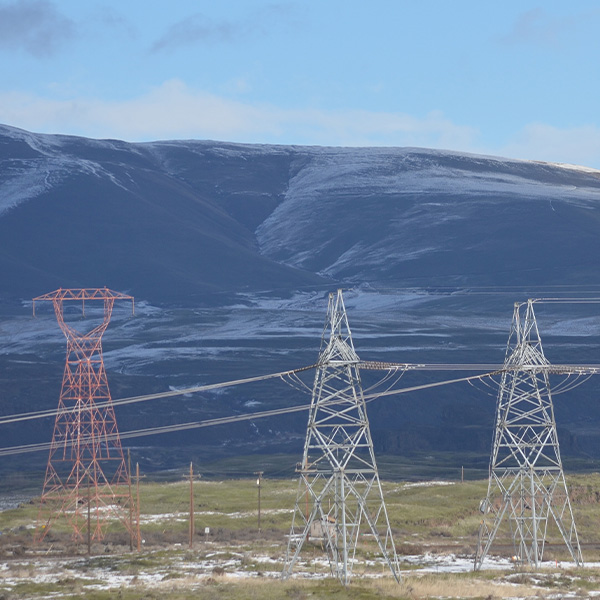
Achieving Washington's and Oregon's goals of 80% clean/decarbonized energy by 2030 will be difficult because of the transmission access and construction realities, writes Randy Hardy.

Public Domain via Wikimedia Commons
Alison Williams of Power for Tomorrow argues that vertically integrated utilities are shielding customers from price spikes while supporting economic growth.

Dej Knuckey
Drought is a systemic threat to the electric grid, writes columnist Dej Knuckey. Like other weather extremes, it undermines supply, drives up costs, and exposes weaknesses in infrastructure planning.

© RTO Insider LLC
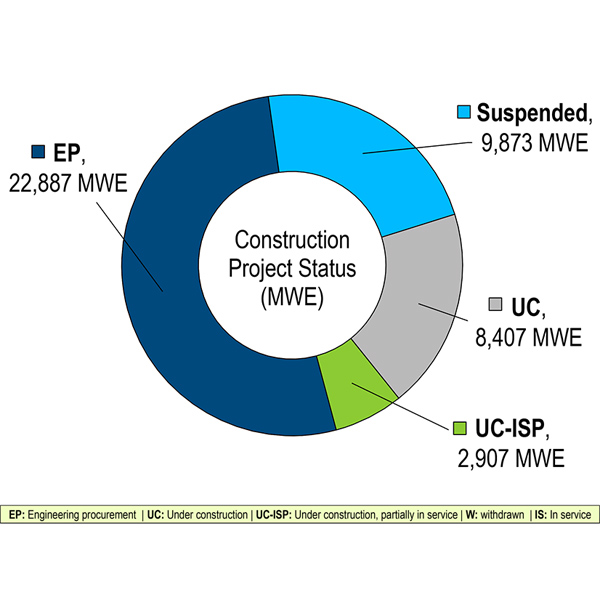
ERCOT is absorbing a wave of large, price‑sensitive load, especially data centers, faster than the market rules were built to 'productize,' writes Alexandre Alonso Carpintero in an opinion piece.
PJM
Despite the Trump administration and all 13 PJM governors proposing a host of new initiatives, the RTO falling short of its reliability requirement does not constitute a crisis, writes columnist Steve Huntoon.

ISO-NE
ISO-NE is reforming its approach to acquiring sufficient capacity, which has shaken things up considerably, writes columnist Peter Kelly-Detwiler.
ICF EnergyInsite
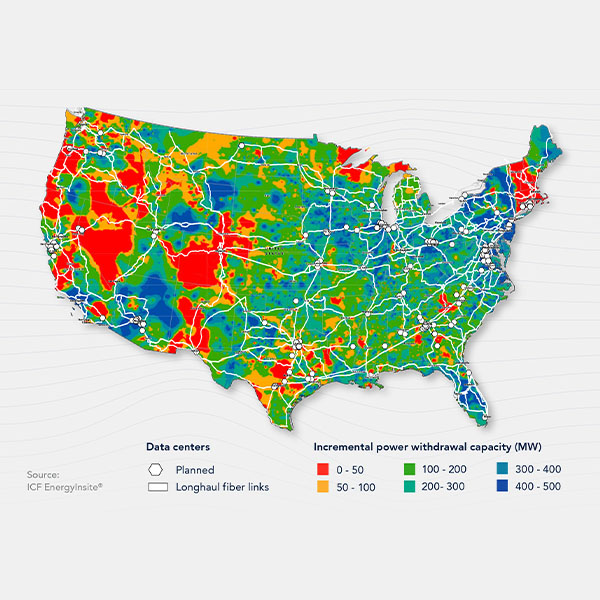
A commitment to “growth pays for growth” and properly structuring tariffs and energy supply agreements can ensure data centers pay all their costs, writes Nick Myers of the Arizona Corporation Commission.

Shutterstock
Regulators attempt to balance the interests of the different stakeholders with the overall goal of promoting the general good. This has become increasingly difficult as regulators must cope with new interests, says energy consultant Kenneth W. Costello.
Want more? Advanced Search