U.S. Department of the Interior
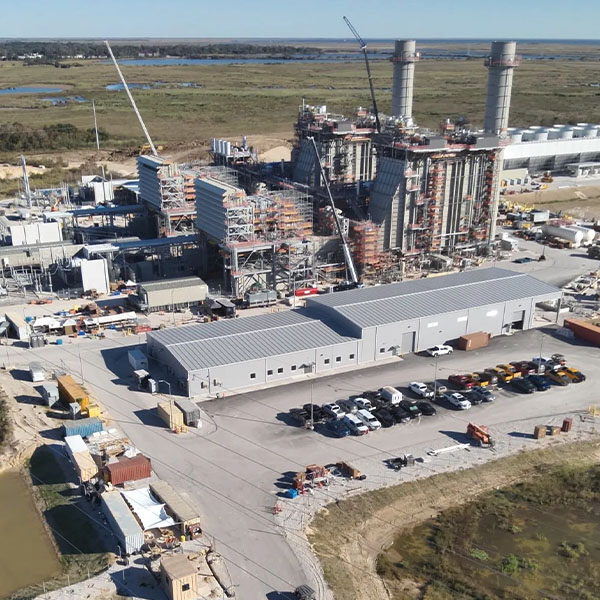
Entergy
The new ERAS processes in MISO and SPP allow certain power plants to effectively jump the interconnection line, skipping ahead of hundreds of other projects already waiting their turn, writes Southern Renewable Energy Association Executive Director Simon Mahan.
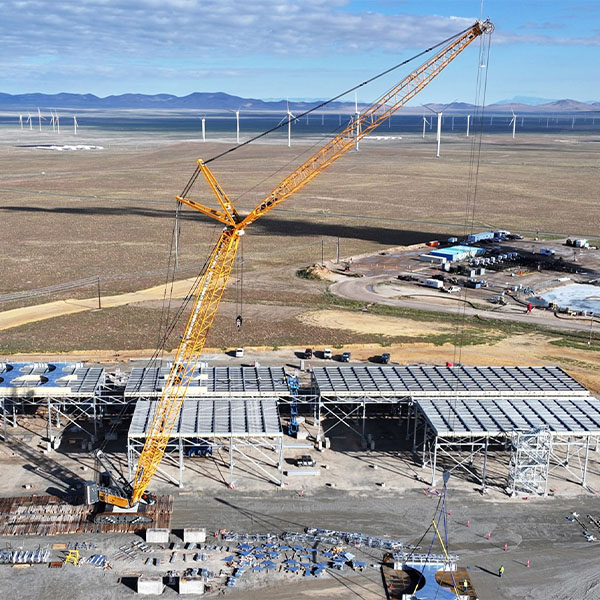
Fervo Energy
The 99 U.S. plants online in 2024 had a combined nameplate capacity of 3.97 GW, up 8% from 2020, a new report indicates.
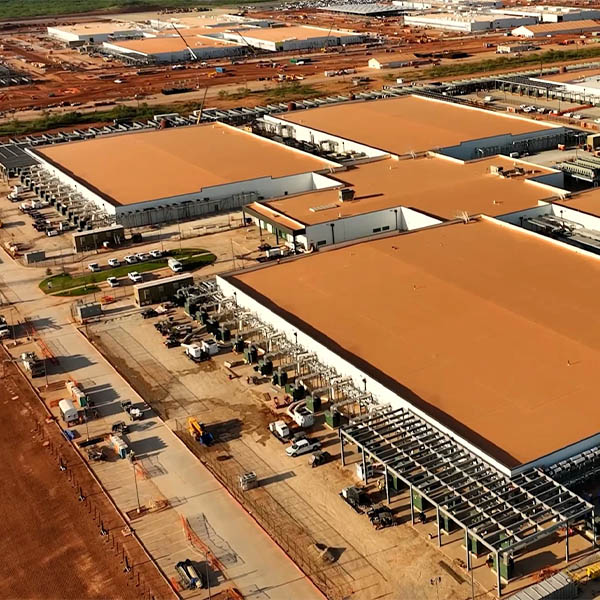
OpenAI
Analysts with the Public Service Commission of Wisconsin said ratepayers are at risk of subsidizing data centers if We Energies’ proposed rate framework for data centers is given the go-ahead as proposed.
ACEG
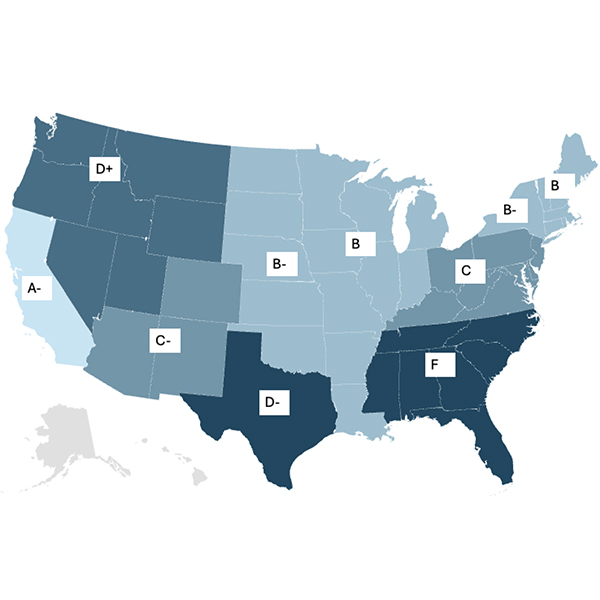
Americans for a Clean Energy Grid released an updated version of its report card, which generally shows improved scores as regions have implemented changes in the last couple of years.
© RTO Insider LLC
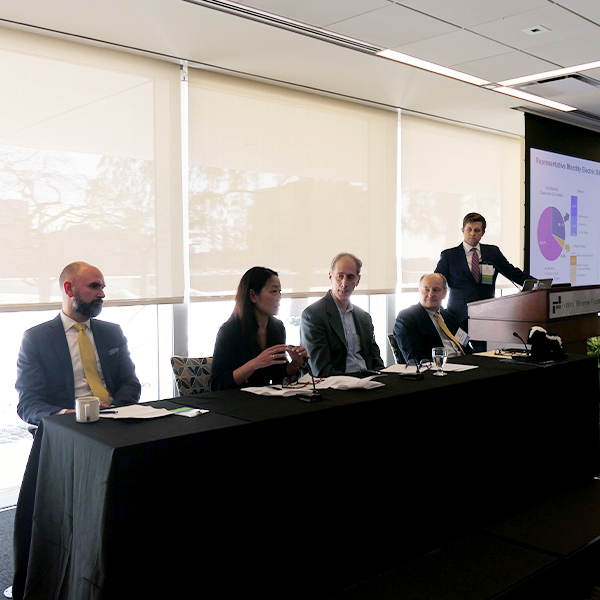
Conflicting political and market forces have created major uncertainty about what the next wave of generation project will look like in New England.

Diego Delso, CC BY-SA 4.0, via Wikimedia Commons
FERC approved two utilities' settlements with ReliabilityFirst for violations of NERC reliability standards covering protective relay settings.
© RTO Insider
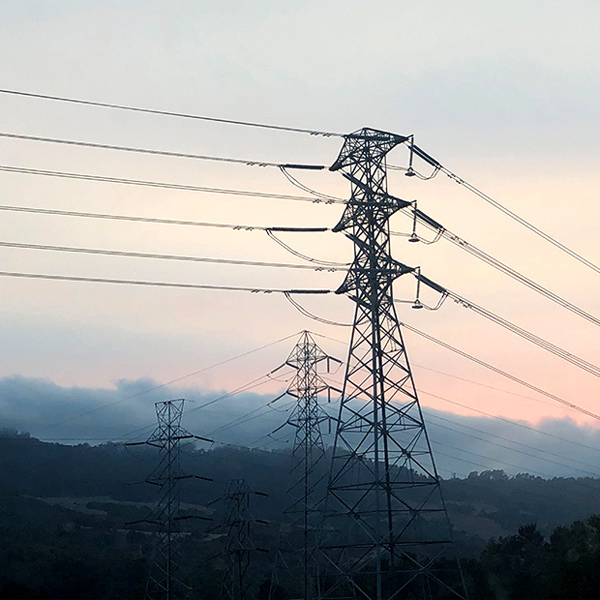
CAISO released its first mandatory report under the California assembly bill that paves the way for an independent regional organization to assume responsibility over the ISO’s energy markets.
Shutterstock
NYISO began what is expected to be a yearlong effort of revising its Reliability Planning Process at a Transmission Planning Advisory Subcommittee meeting.
NYISO
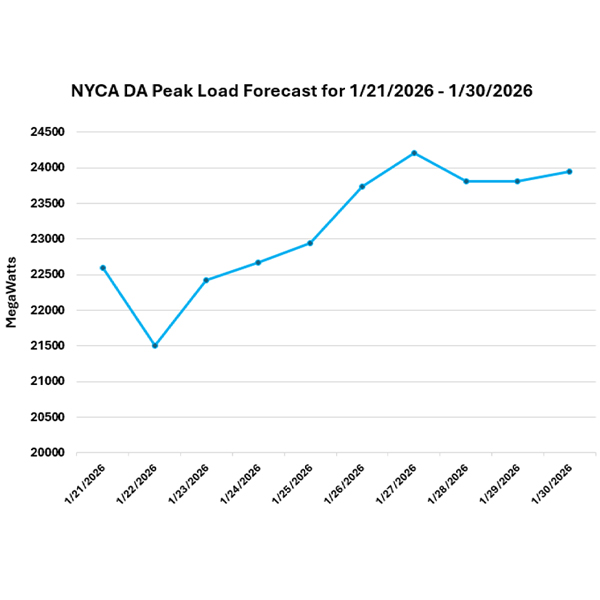
New York generators had to rely on oil as gas was scarce throughout the Eastern Interconnection during the Jan. 25-27 winter storm, NYISO said in a preliminary analysis.
IPCC
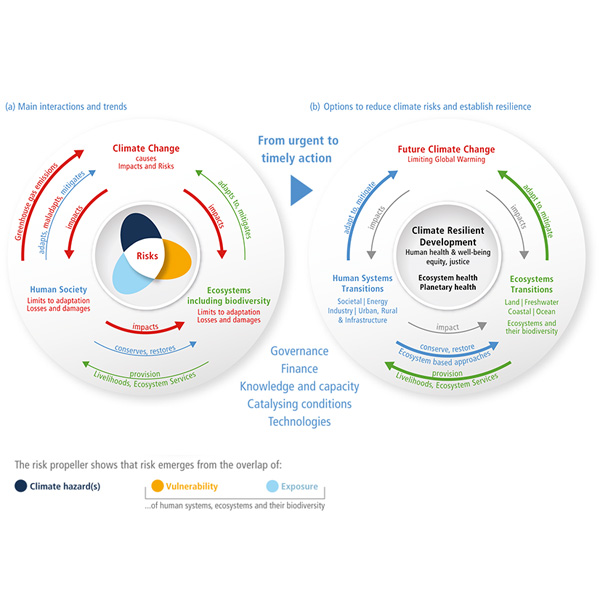
Climate risk no longer is simply an environmental problem. It’s a governance, planning, and management problem. And it sits squarely on the desks of utility executives, system operators, and policymakers.
Want more? Advanced Search