NERC
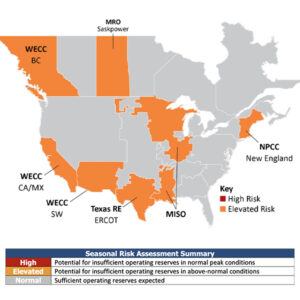
NERC’s 2024 Summer Reliability Assessment found that every region has met its reserve margin targets but that many areas would face difficult operations in lengthy, widespread heat waves.
DOE
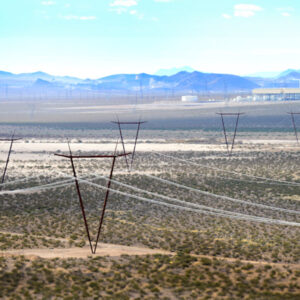
FERC granted Nevada Power an exemption simplifying the NV Energy subsidiary’s filing of its triennial updated market power analysis.
ISO-NE
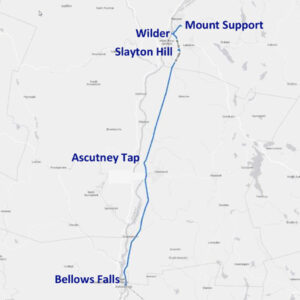
National Grid introduced a pair of asset condition projects estimated to cost about $538 million to the ISO-NE Planning Advisory Committee.
© RTO Insider LLC
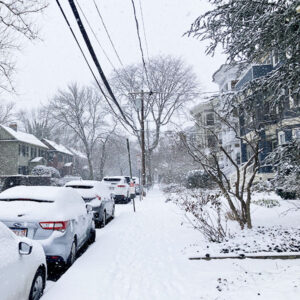
ISO-NE outlined its current thinking on a potential Regional Energy Shortfall Threshold at the NEPOOL Reliability Committee.

Shutterstock
President Joe Biden directed the U.S. trade representative to slap steep new tariffs on Chinese goods, including semiconductors, solar cells, battery components and electric vehicles.
Admin Monitor
Three years after a deadly winter storm nearly imploded the ERCOT grid, stakeholders in the Texas market are working on a reliability standard that may be stricter than industry norms.
Electric cat, CC BY-SA 3.0, via Wikimedia Commons
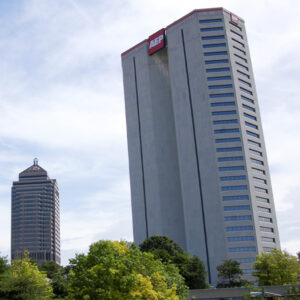
AEP Ohio is asking state regulators to create new tariffs that would force data center developers to pay for 90 to 95% of their projected electrical demand for their first 10 years of operation, even if they use less.

News briefs from the states within the footprint of RTOs.

News briefs on companies and firms doing business with RTOs.

News briefs on FERC and the federal agencies that impact RTOs.