
American Clean Power Association (ACPA)
Shutterstock
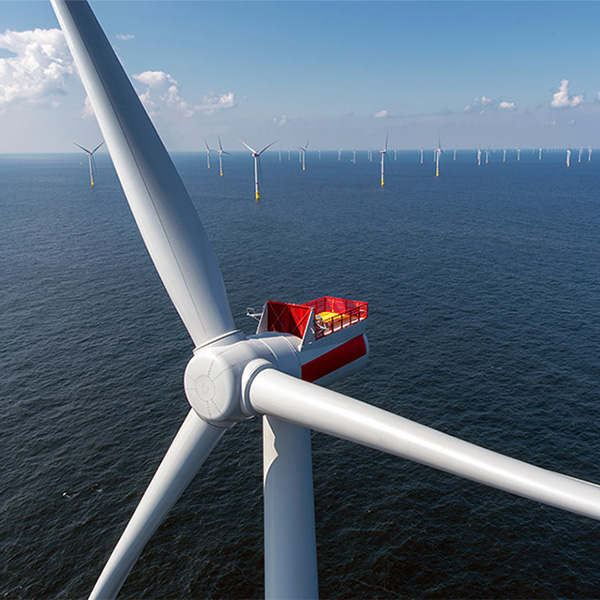
FERC denied two clean energy associations' request that it encourage NERC to complete its examination of a recent standard on inverter-based resources quickly.
Fluence
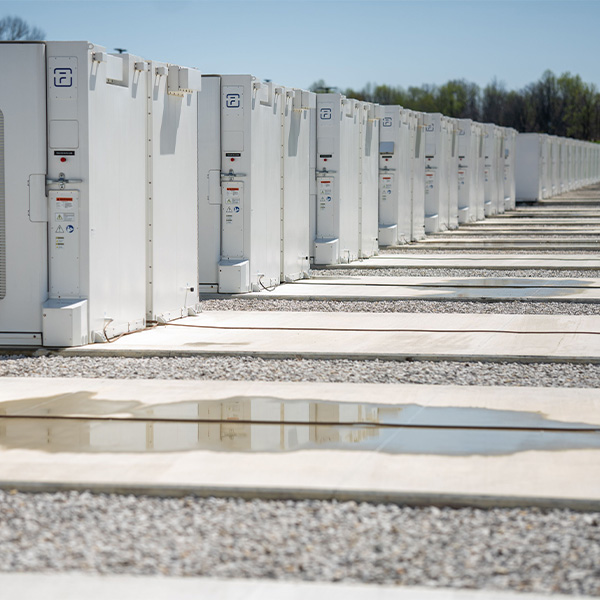
A new report shows the MISO footprint could ring up $27 billion in additional system costs through 2050 if it and members miss the boat on developing new gigawatts of battery storage.
House Ways and Means Committee
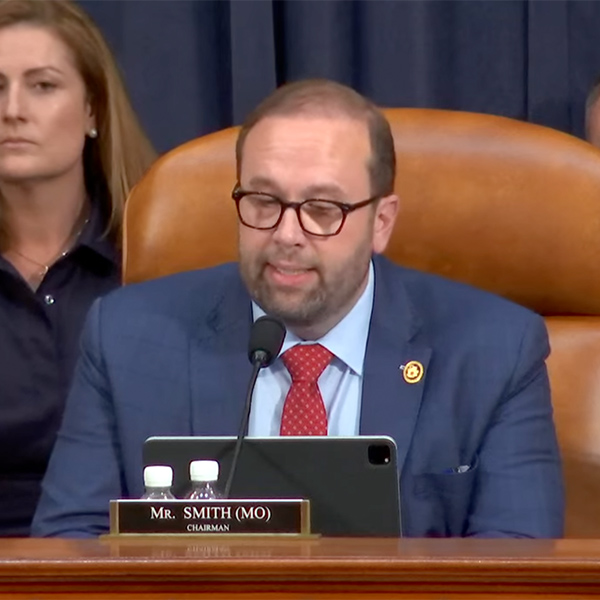
Efforts by U.S. House committees to mark up the “One, Big Beautiful Bill” that includes most of President Donald Trump’s legislative goals could so complicate energy tax credit provisions as to make those instruments difficult to use at all.
© RTO Insider
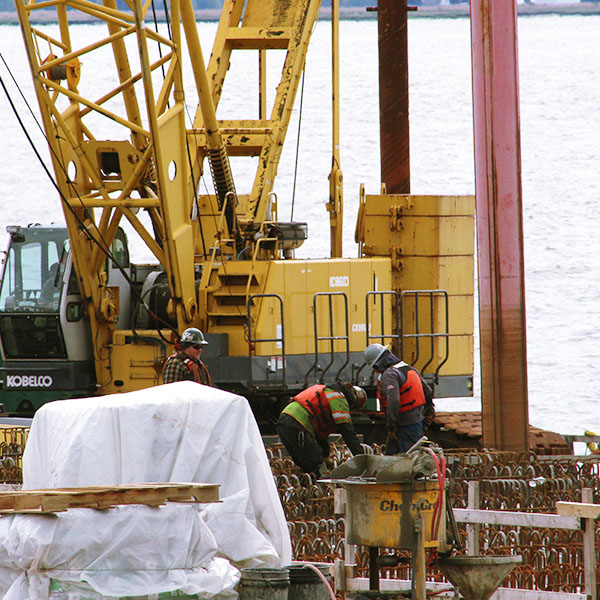
The sudden halt of the offshore wind sector has left states holding high-investment wind ports that for a while at least won’t be needed, raising questions about how states can use the pricey assets.
© RTO Insider
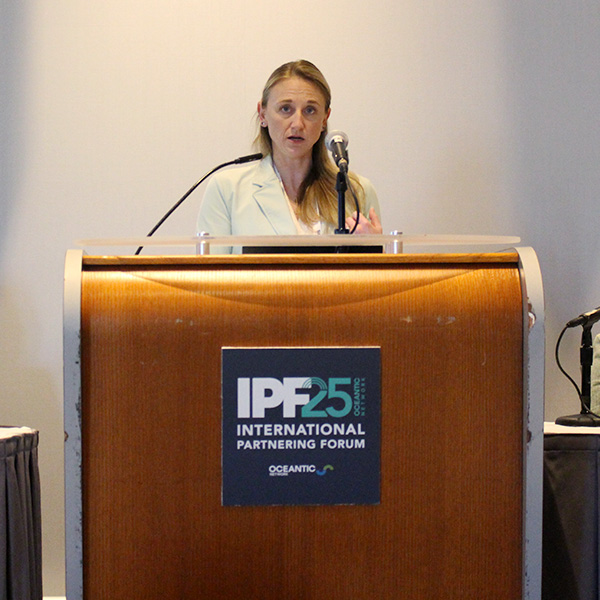
Offshore wind advocates are closely monitoring and vigorously lobbying Congress to assess and shape potential changes to the Inflation Reduction Act and its budget.
© RTO Insider
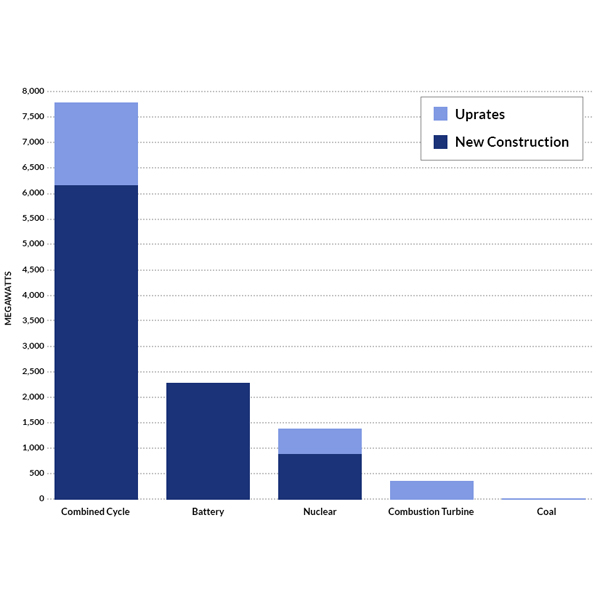
PJM selected 51 projects to receive expedited interconnection studies through its Reliability Resource Initiative, adding 11,793 MW of nameplate capacity to the next study cycle.

Form Energy
The announcement came with a major caveat: A pro-business environment with supportive tariff, tax and permitting mechanisms must be in place.

© RTO Insider
Rapid demand growth within ERCOT was a major point of discussion at the Gulf Coast Power Association's recent Spring Conference.
The Brattle Group
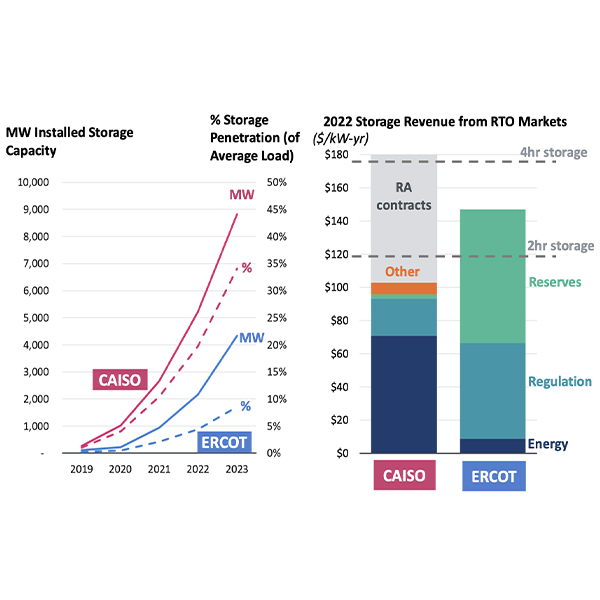
ACP released a report produced by The Brattle Group laying out how organized markets can replicate the success CAISO and ERCOT have had in deploying energy storage resources.
Shutterstock
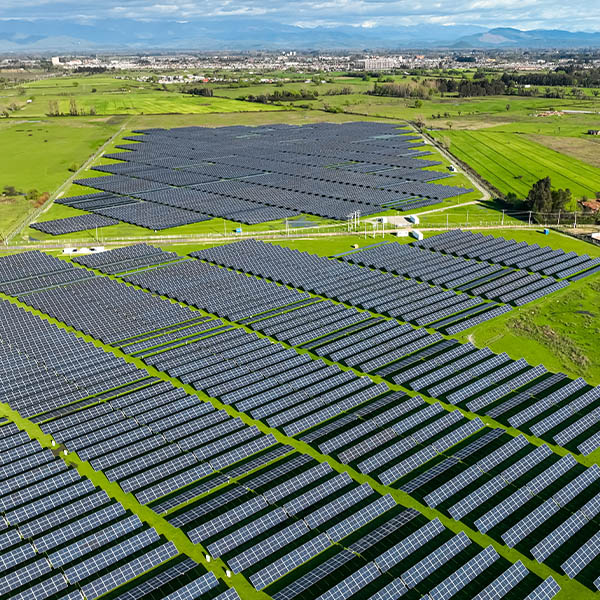
Industry stakeholders called for a number of revisions to NERC's proposed inverter-based resource ride-through standards, mostly involving the exemption process for legacy inverters.
Want more? Advanced Search
