
asset condition projects (ACPs)
ISO-NE
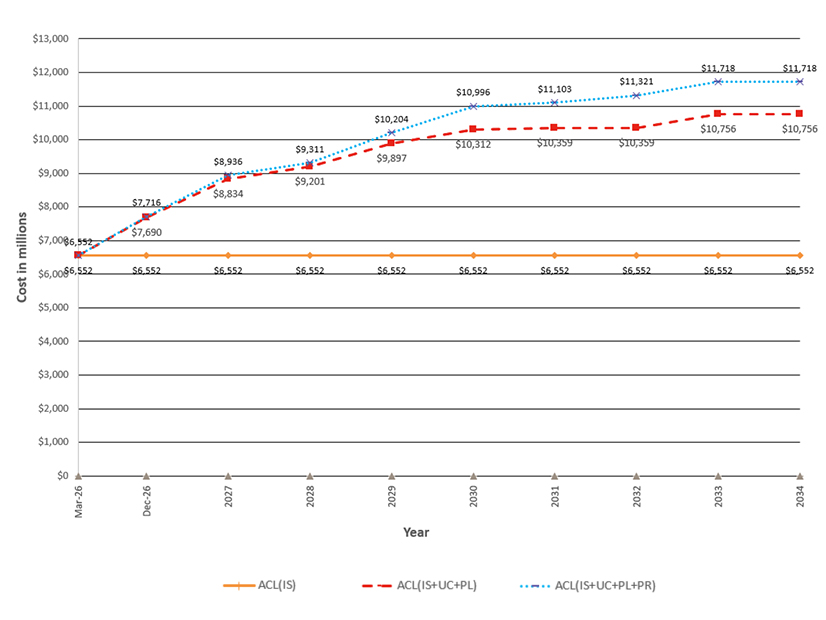
New England transmission owners have added over $376 million in projects to the asset condition list since October while placing over $560 million in projects in service.
Eversource
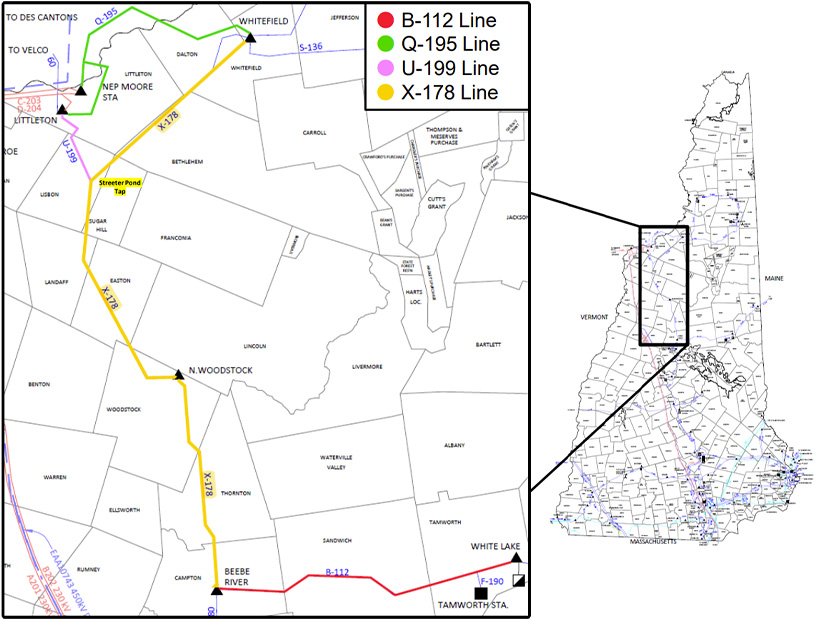
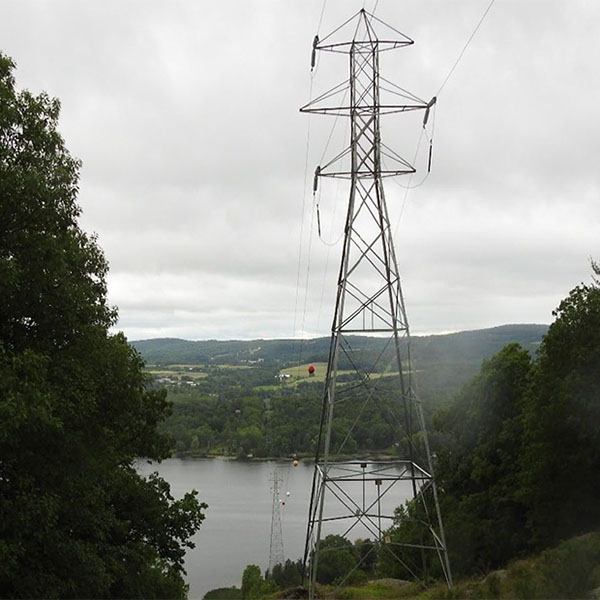
FERC dismissed a complaint about a $385 million asset condition project on an Eversource Energy transmission line in New Hampshire, finding it failed to demonstrate any violations by the company.
National Grid
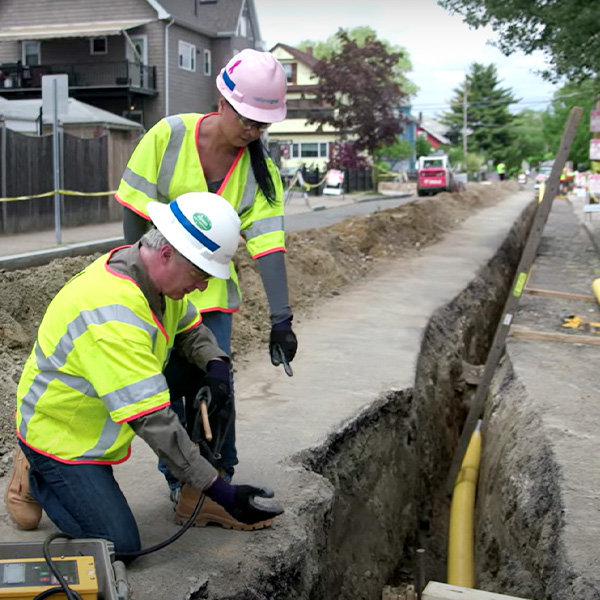
In Massachusetts, a state with some of the most ambitious decarbonization policies in the country, fundamental disagreements between utilities and consumer advocates threaten to derail the transition from natural gas before it even gets off the ground.

© RTO Insider LLC
Conflicting political and market forces have created major uncertainty about what the next wave of generation project will look like in New England.
ISO-NE
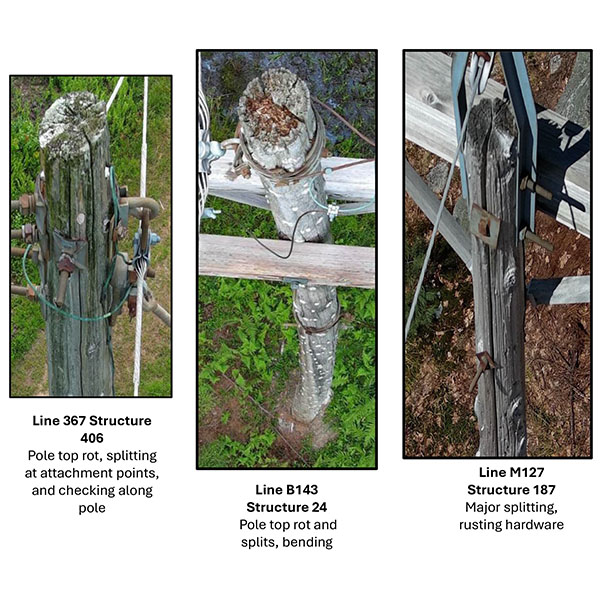
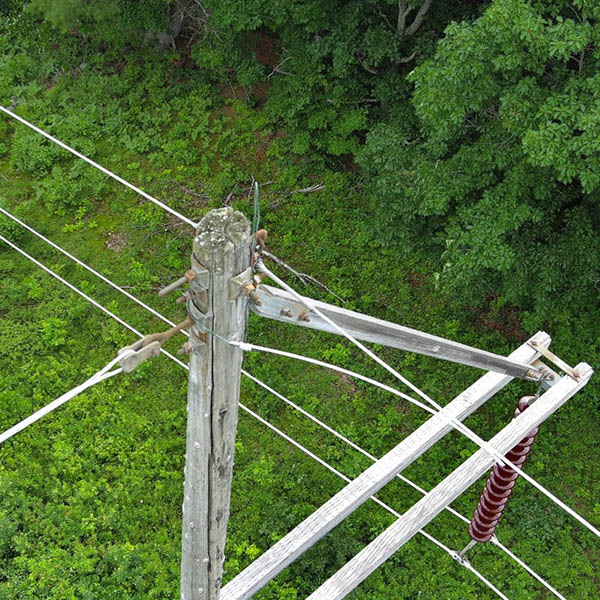
Eversource Energy and National Grid introduced asset condition projects totaling about $110 million at the ISO-NE Planning Advisory Committee.
Eversource Energy
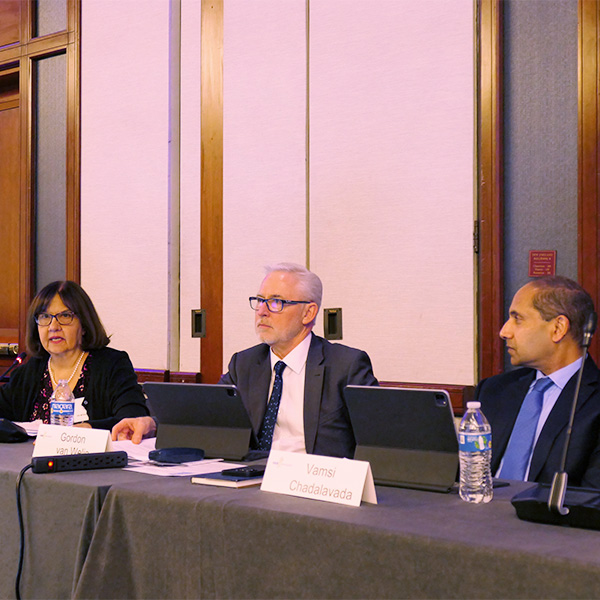
ISO-NE responded to stakeholder feedback and provided more detail on its proposed asset condition reviewer role at the NEPOOL Transmission Committee.
© RTO Insider
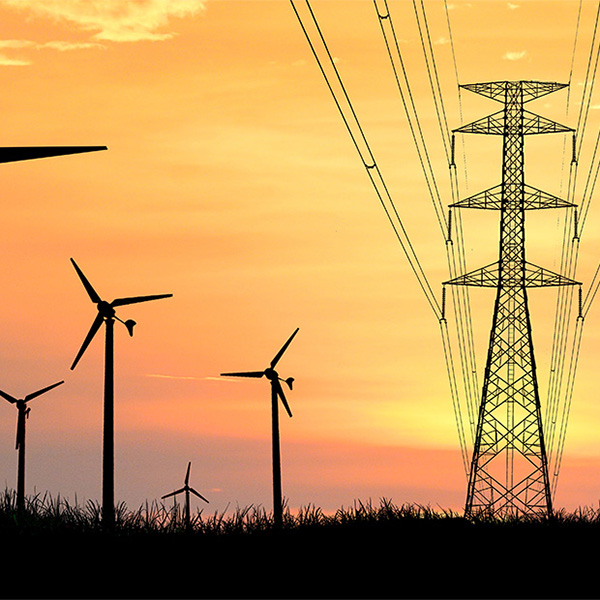
Heading into 2026, New England is counting on an increasingly collaborative approach to energy policy as federal opposition to renewable energy development threatens affordability, reliability, and decarbonization objectives in the region.
Shutterstock
The Maine Office of the Public Advocate has asked FERC to initiate evidentiary hearing procedures to answer questions about the prudency of investments by New England transmission owners in asset condition projects placed in service in 2022.
Hydro-Québec
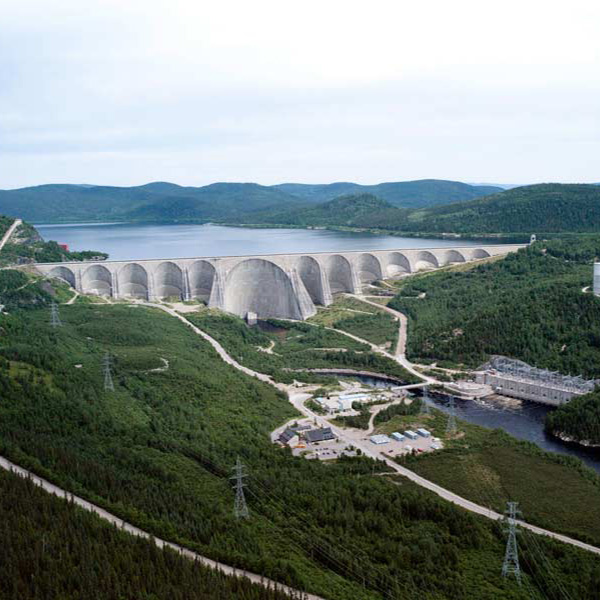
ISO-NE presented the final stakeholder-requested sensitivities for its 2024 Economic Study, discussing the potential effects of adding 3.9 GW of hydropower to the Hydro-Québec system.
Eversource Energy
Weather-normalized electricity demand has increased by about 2% in Eversource Energy’s service territories in New England, in part due to heating and transportation electrification, CEO Joe Nolan said.
Want more? Advanced Search
