
Clean Air Task Force (CATF)
Oklahoma Municipal Power Authority
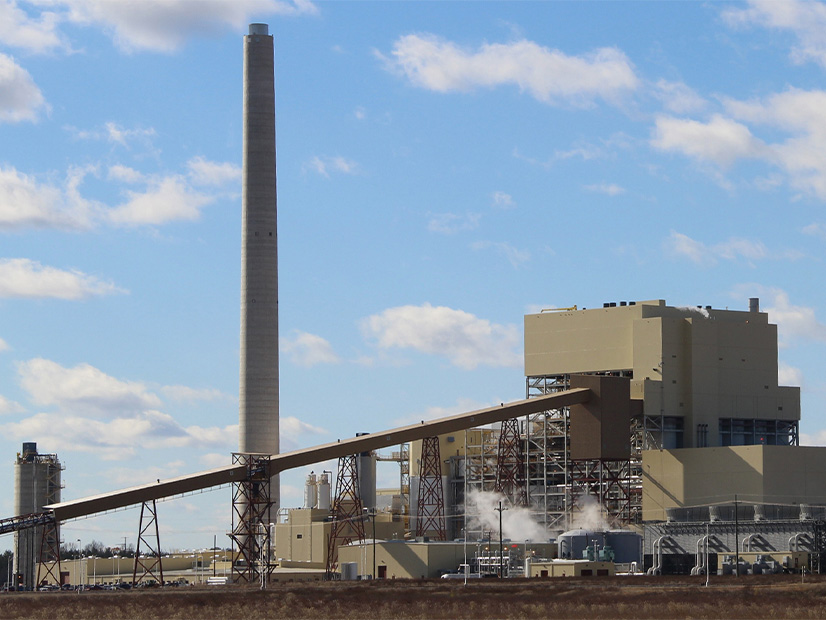
EPA revoked its 2024 updates to the MATS rules, which included regulation of non-mercury emissions and monitoring equipment requirements for all covered power plants.
Clean Air Task Force
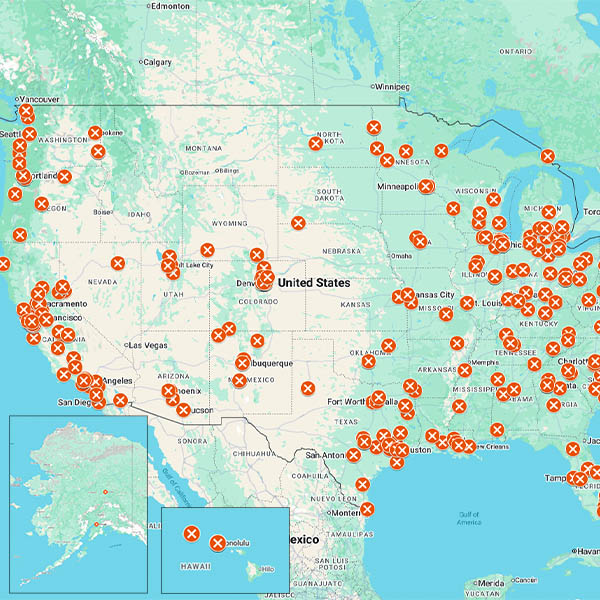
The Trump administration is gearing up — possibly — to terminate billions more in energy-related grants awarded under the Biden administration.
The Brattle Group
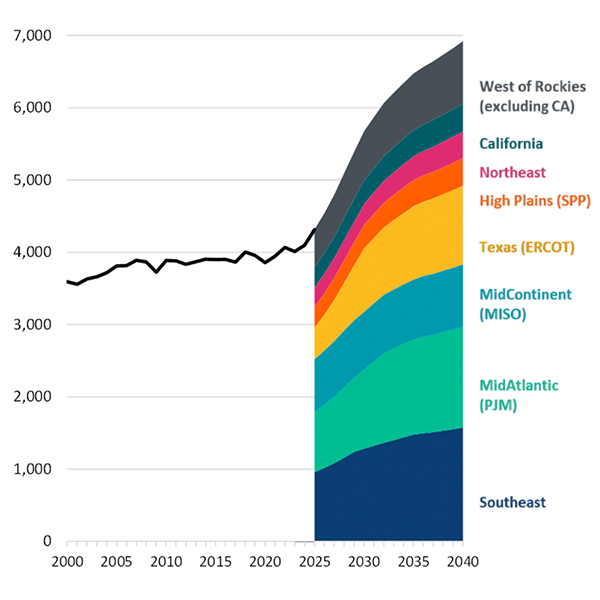
A CATF report argues that planners need to use demand-side resources, grid-enhancing technologies and other quick-to-deploy resources as part of a "least-regrets" effort to meet growing demand.

© RTO Insider
Stakeholders urged FERC to consider reliability and consumer costs when weighing approaches to co-located large loads.

Shutterstock
ERCOT, MISO, PJM and SPP filed a joint brief in the appeal of EPA’s power plant rule seeking more flexibility on compliance, arguing it is needed to ensure reliability.

© RTO Insider LLC
Advanced nuclear technology, with all promise and all its baggage, is one of the ways New York is considering meeting its clean energy goals.
NREL
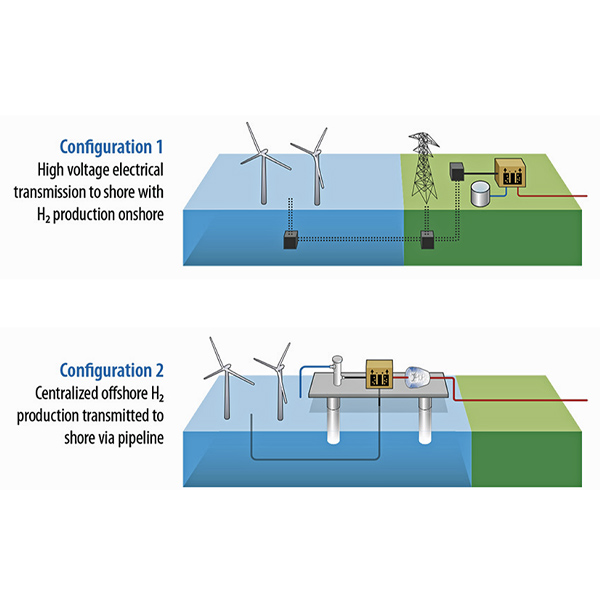
New reports conclude offshore wind could be a viable way to power clean hydrogen production, but clean hydrogen is not a cost-effective fuel for power generation.
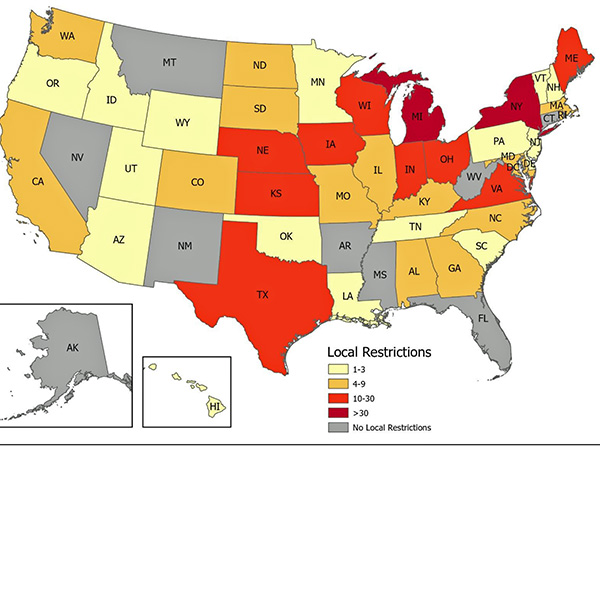
Sabin Center for Climate Change Law
Two new reports examine the profusion of local and state regulations affecting renewable energy development.
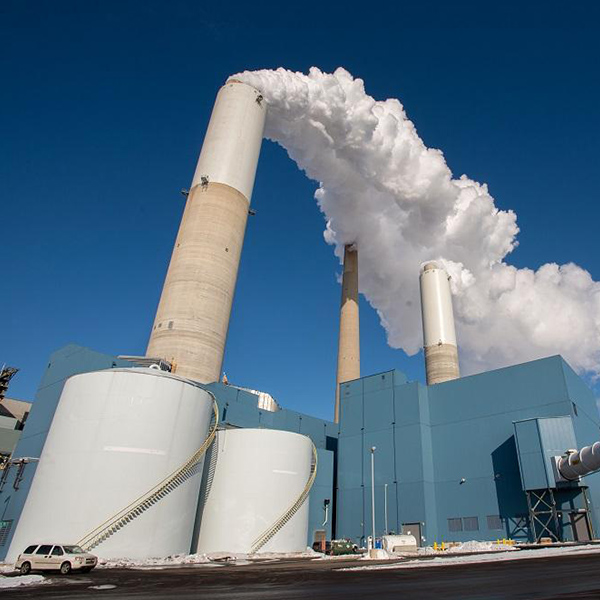
DTE Energy
Both EPA and FERC received comments on how reliability can be maintained under the former’s power plant rule that requires fossil fuel-fired units to curtail their emissions.

© RTO Insider LLC
New technologies upend conventional wisdom that heavy industry — cement, steel, petrochemicals — will be hard to abate or require carbon capture. But how fast can they scale?
Want more? Advanced Search
