coal plant retirements
Xcel Energy
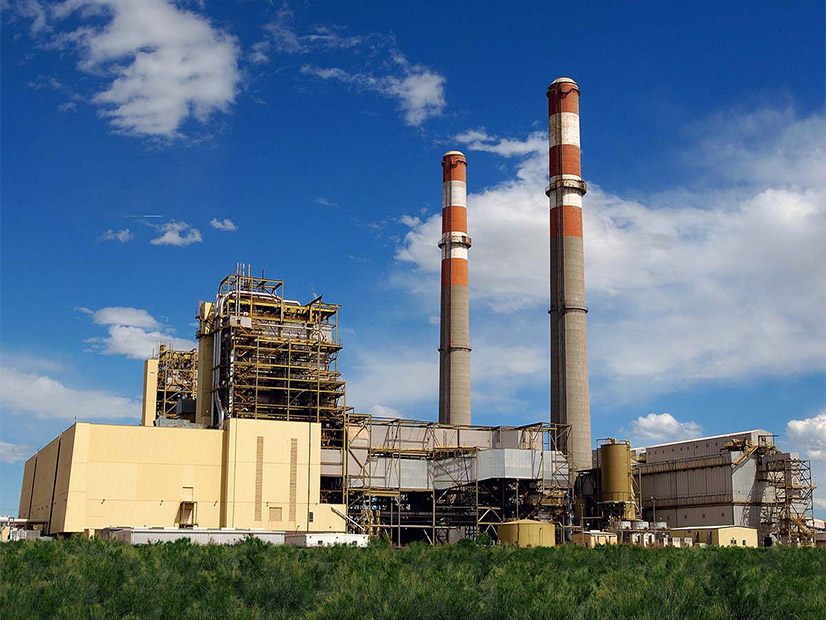
A delay in the repair of Unit 3 of Xcel Energy’s coal-fired Comanche Generating Station has sparked questions among Colorado regulators about the utility’s ability to meet summer peak demand in 2026.
Tri-State Generation and Transmission Association
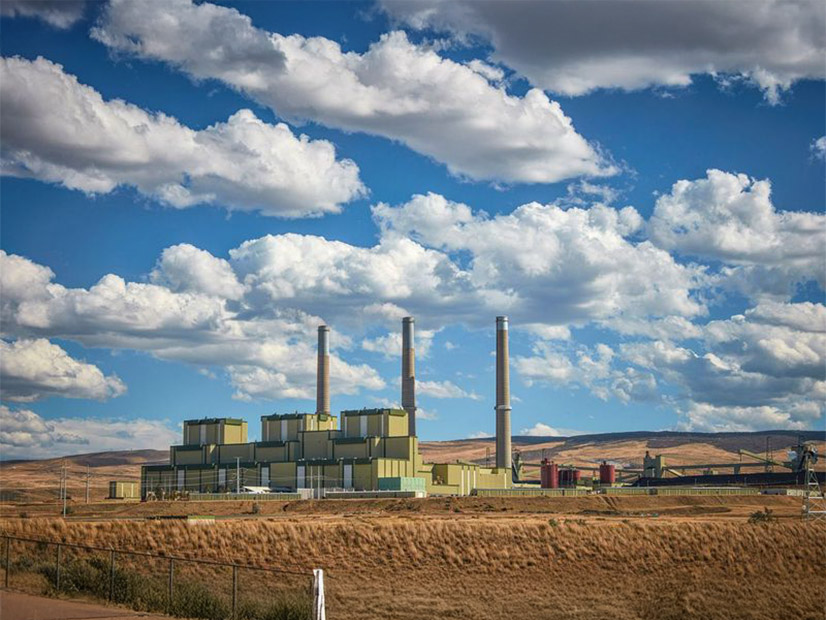
A bill in the Colorado legislature seeks to reduce the environmental impact of federal orders delaying the retirement of coal-fired power plants.
Tri-State Generation and Transmission Association
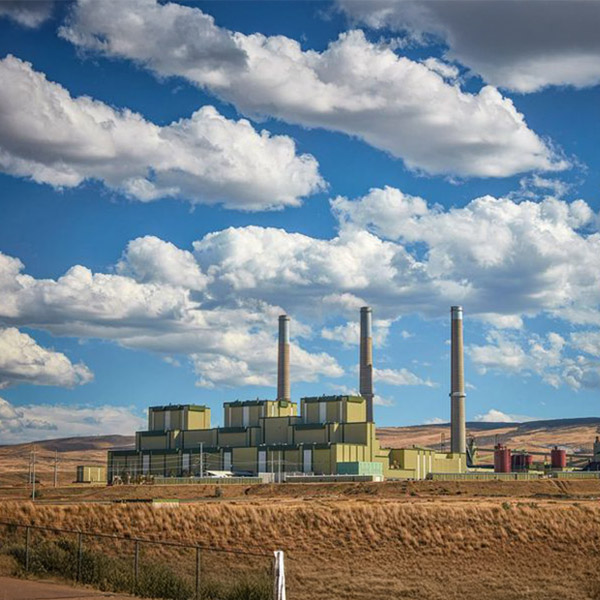
Local elected officials in Colorado are speaking out against the Trump administration’s order to keep the coal-fired Craig Generating Station Unit 1 available to operate past its planned retirement date.
Jimmy, CC BY-SA 2.0, via Wikimedia Commons
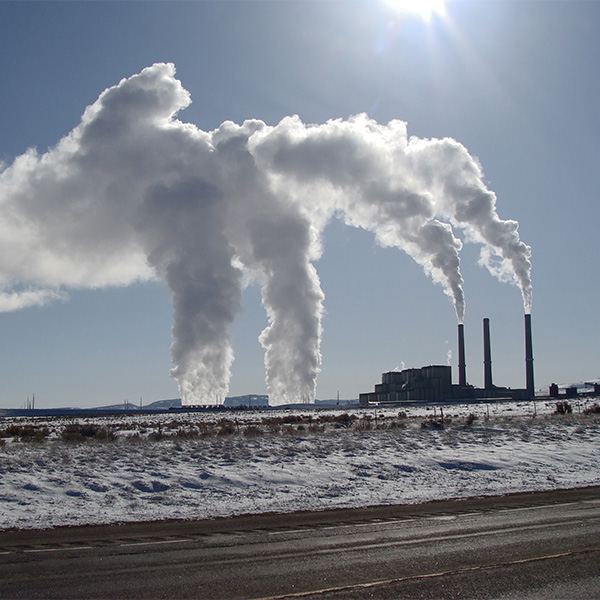
DOE has ordered a non-operational 427-MW coal-fired generator in Colorado to be repaired and remain available for 90 days.

Yes Energy
After a long decline in the U.S., coal-fired generation is enjoying strong policy support in the second Trump administration.
TransAlta
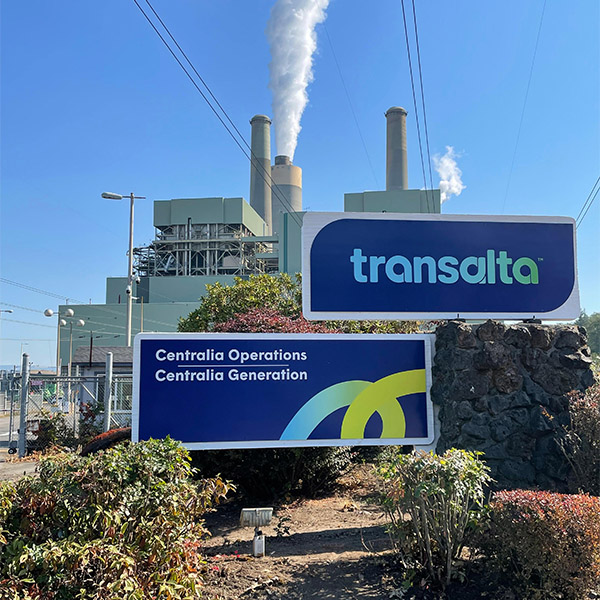
Citing an energy “emergency” in the Northwest this winter, DOE ordered TransAlta to continue operating Washington’s last coal-fired generating plant for three months beyond its scheduled retirement at the end of this year.
KRDO
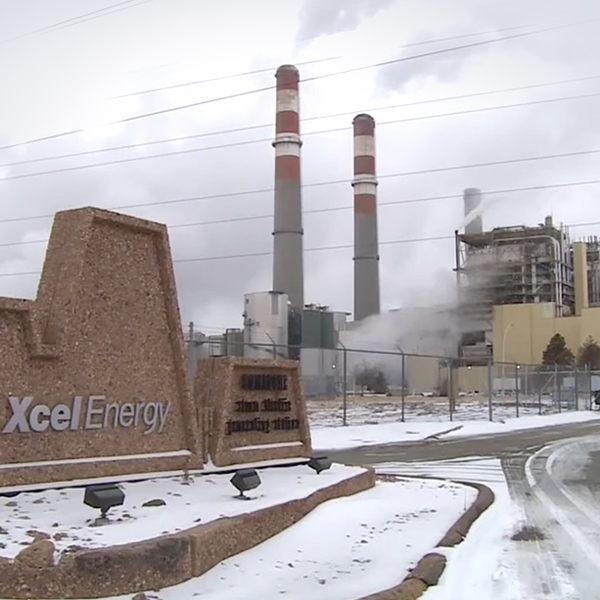
The Colorado Public Utilities Commission granted a one-year extension to Unit 2 of the coal-fired Comanche power plant, as uncertainty lingers about the fate of outage-plagued Unit 3.
Xcel Energy
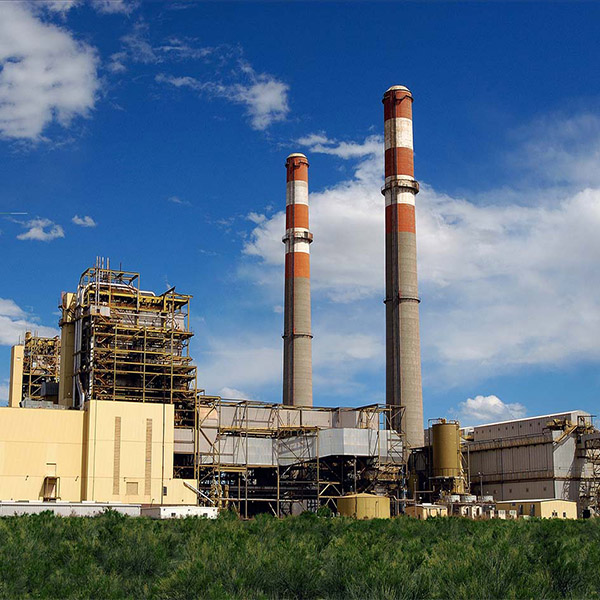
Public Service Company of Colorado and the Polis administration want to keep Unit 2 of the coal-fired Comanche Generating Station running a year longer than planned.
OPPD
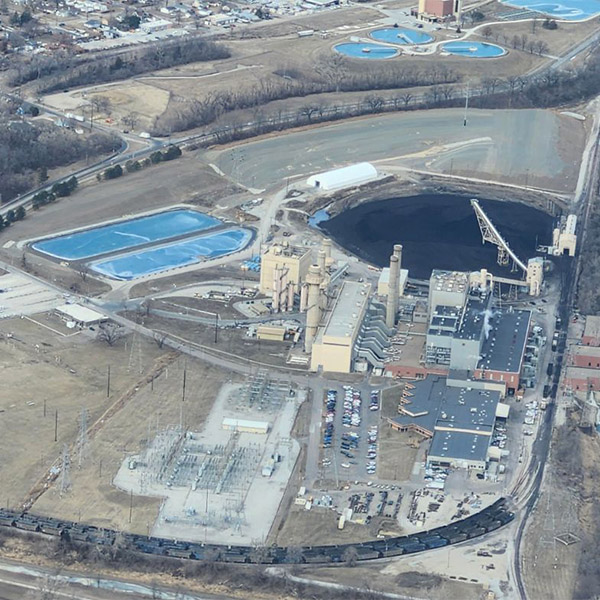
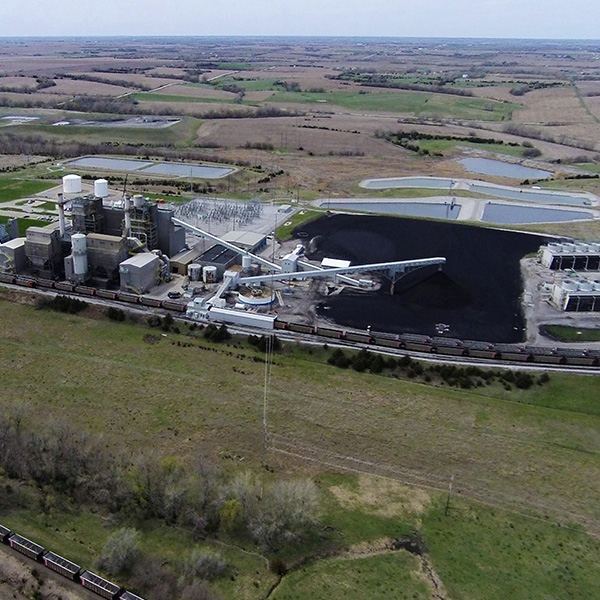
Nebraska’s attorney general is suing the state’s largest electric utility in an attempt to block partial retirement of an aging coal- and gas-fired power plant.
Nebraska Public Power District
Three cabinet-level agencies announced coordinated policies that are meant to improve coal's position in the energy system by improving power plants, cutting environmental regulations and increasing mining of the fuel.
Want more? Advanced Search