cost allocation

ITC Midwest
CREPC TC, in collaboration with Energy Strategies, issued its first transmission cost allocation study to provide the Western electricity industry with guidelines on how to tackle the thorny issue.

© RTO Insider
SPP state regulators have approved a policy that sets criteria for developing joint transmission projects with other RTOs to cost-effectively address persistent market-to-market (M2M) congestion.

© RTO Insider LLC
SPP stakeholders resoundingly rejected a proposed tariff change to integrate large loads, pushing back against what some say is a rushed process outside of the normal stakeholder structure.

© RTO Insider LLC
FERC found that MISO and SPP’s 100% cost allocation to generation for the pair’s $1.7 billion Joint Targeted Interconnection Queue transmission portfolio remains appropriate.

© RTO Insider
The Edison Electric Institute’s annual conference and thought leadership forum featured numerous discussions on the industry's ability to meet the explosive demand without sacrificing reliability and affordability.
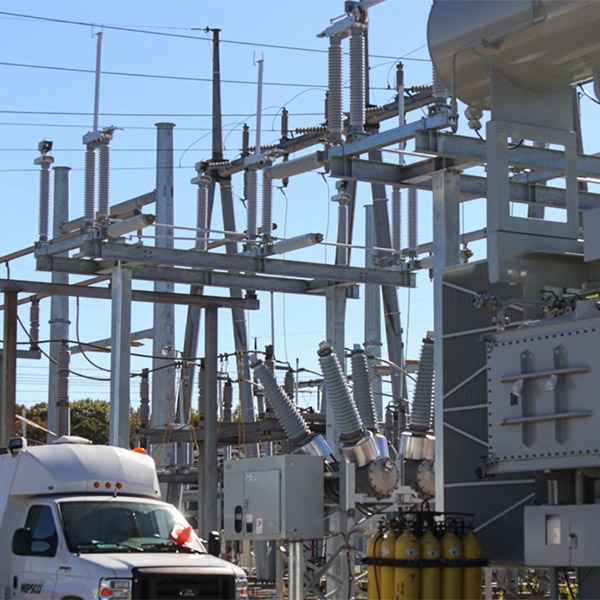
Northern Indiana Public Service Co.
MISO said it will create more public notices throughout its variance analysis, the process it uses to reassess transmission projects that experience cost increases or other obstacles.

© RTO Insider
MISO generation developers pushed back on MISO’s cost allocation of the $1.65 billion Joint Targeted Interconnection Queue, reportedly saying MISO’s late-stage alterations have eroded the value of the seams planning.
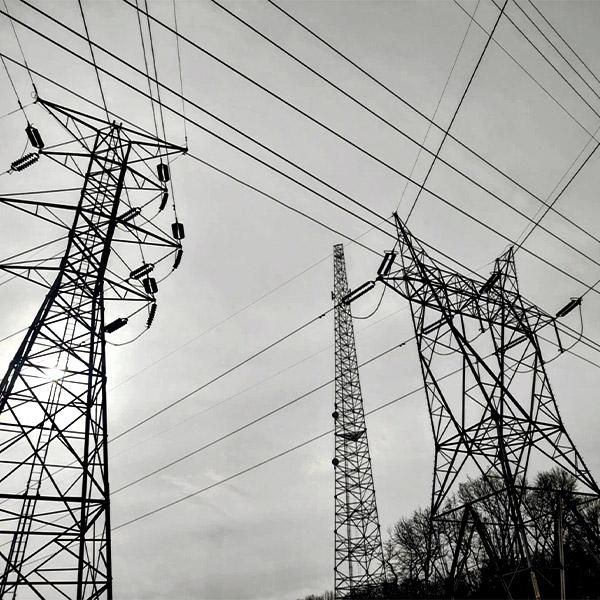
© RTO Insider
Regulators of MISO states are mulling whether they should work together to offer up an entirely new cost allocation for the RTO’s long-range transmission projects.

© RTO Insider
SPP's Markets and Operations Policy Committee has endorsed the last of 21 recommendations made by a task force that reviewed the RTO's transmission and market operations last decade.

© RTO Insider
FERC dealt with a rehearing request in Order 1920-B, largely rebutting arguments from transmission owners that the rule's requirement to file state cost allocation agreements impinges on their rights.
Want more? Advanced Search