
Electric vehicles (EVs)
CEC
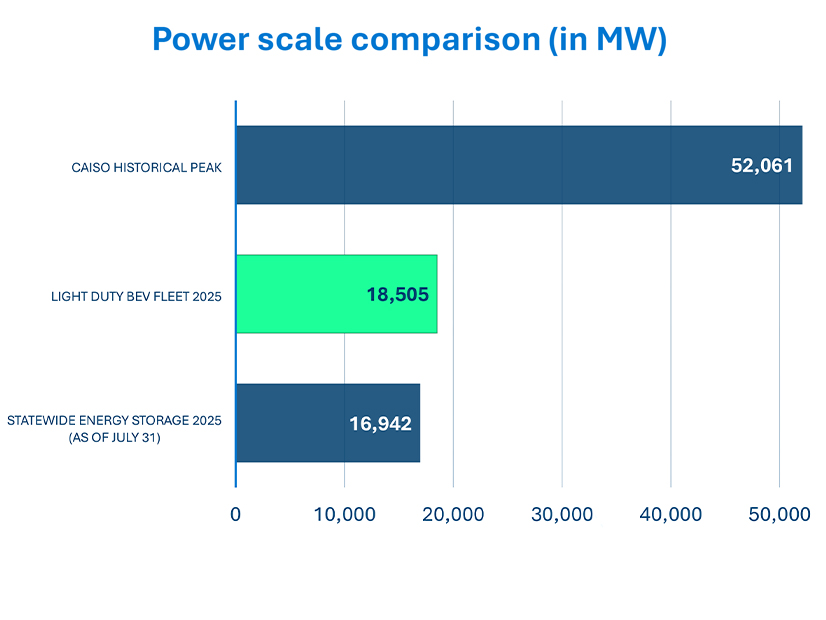
California’s historic battery storage boom over the past five years has not kept up with EV capacity growth in the state — and now officials want to send idle electrons back to buildings, homes and the grid through new bidirectional chargers.
Shutterstock
The Trump administration is suing California over its mandates for electric vehicles and offering $1.9 billion for advanced transmission.
California Energy Commission
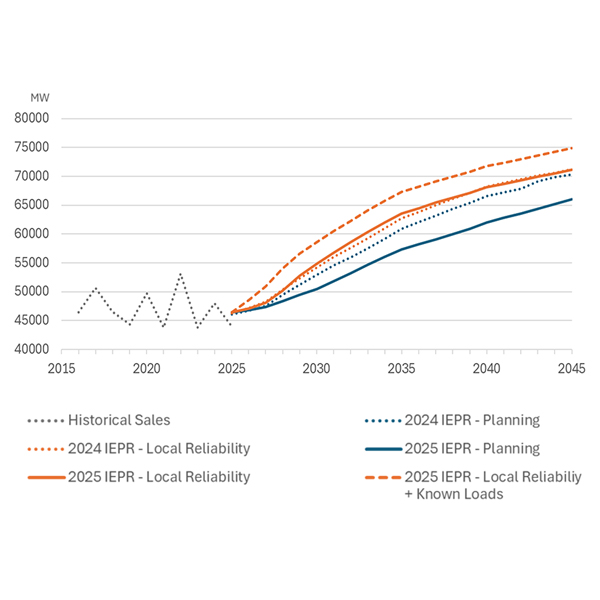
The California Energy Commission signed off on a forecast showing the state's electricity consumption could surge by as much as 61% over the next 20 years, mostly from increased EV adoption.
Brattle
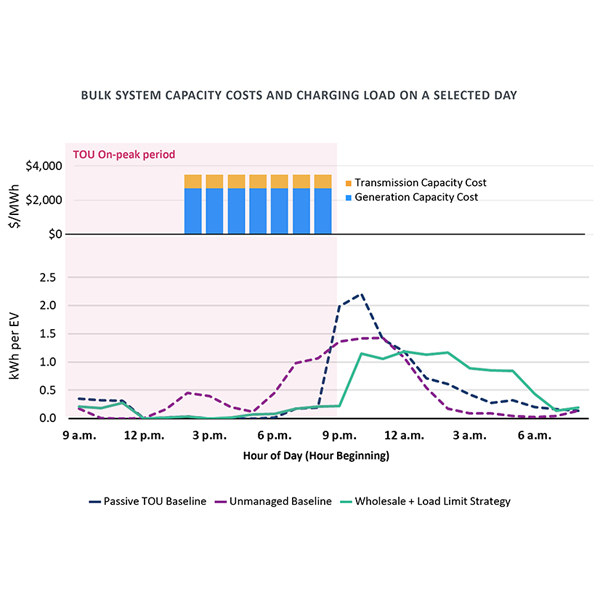
EnergyHub and Brattle Group released a study based on a real-world test of different strategies for managing charges on distribution circuits, which found significant benefits from managed charging once EVs become more common in a neighborhood.
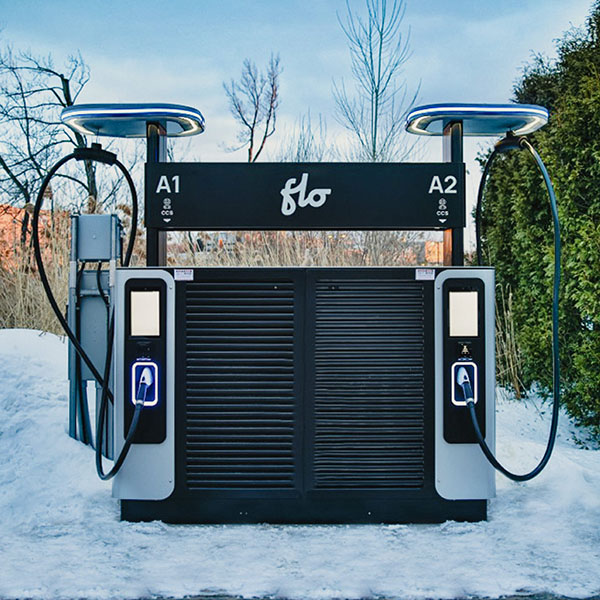
Flo Charging Stations
Sixteen states and the District of Columbia sued the Trump administration in an effort to recover billions of dollars in funding for EV charging infrastructure.
IESO
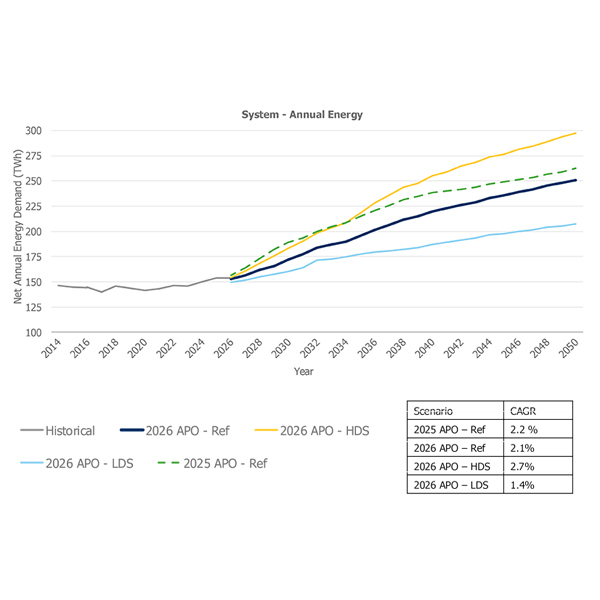
The reference scenario in IESO’s 2026 Annual Planning Outlook indicates net annual energy demand growth of 65% by 2050, from just over 150 TWh in recent years to 250 TWh.
OMS
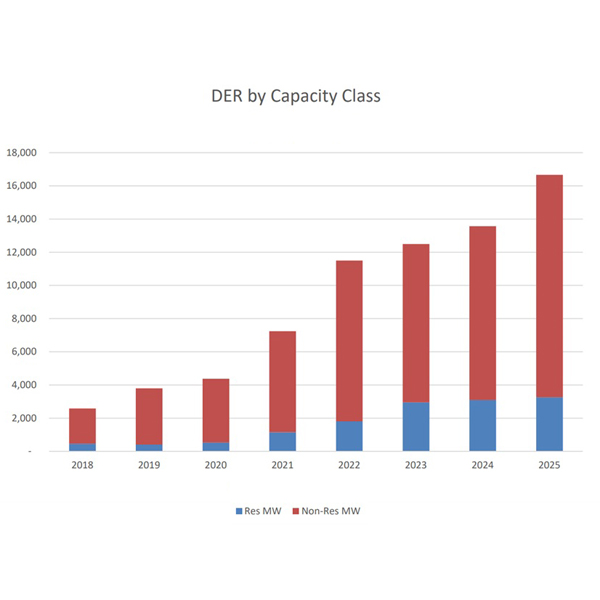
The Organization of MISO States estimates MISO is up to approximately 16.6 GW of distributed energy resources across its footprint, up 3 GW from 2024.
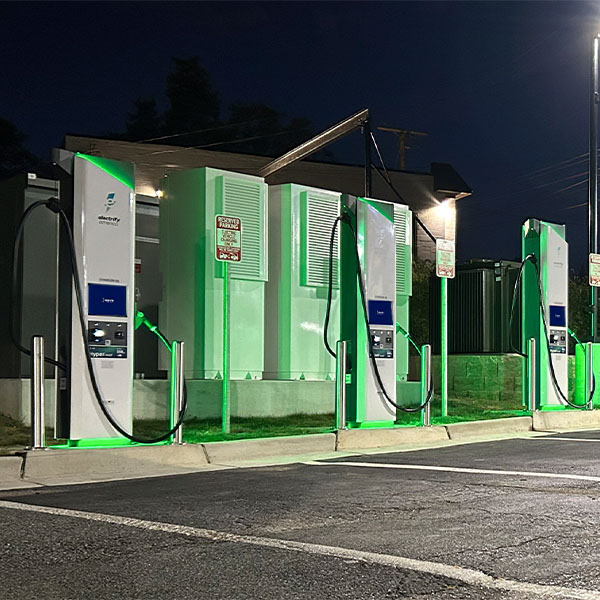
Electrify America
The Electric Power Research Institute has launched a tool called GridFast that will give utilities a jump start on planning for new EV charging loads.
MISO
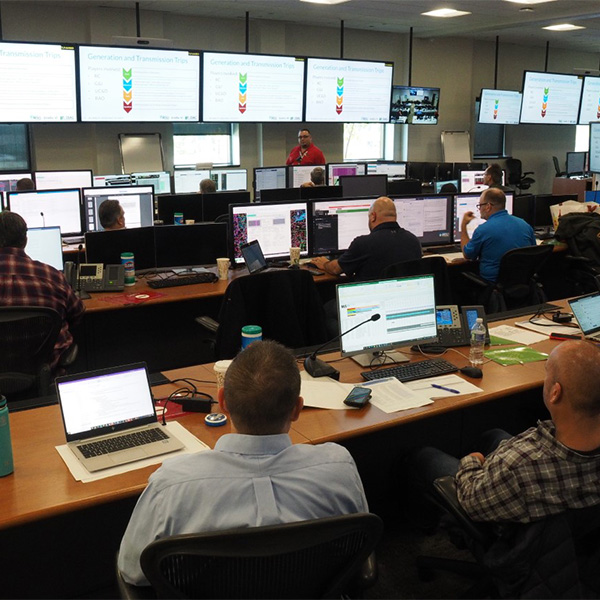
Members of the Reliability and Security Technical Committee heard updates on the upcoming GridEx VIII security exercise, and voted to approve a white paper and reliability guideline at their quarterly meeting.
Shutterstock
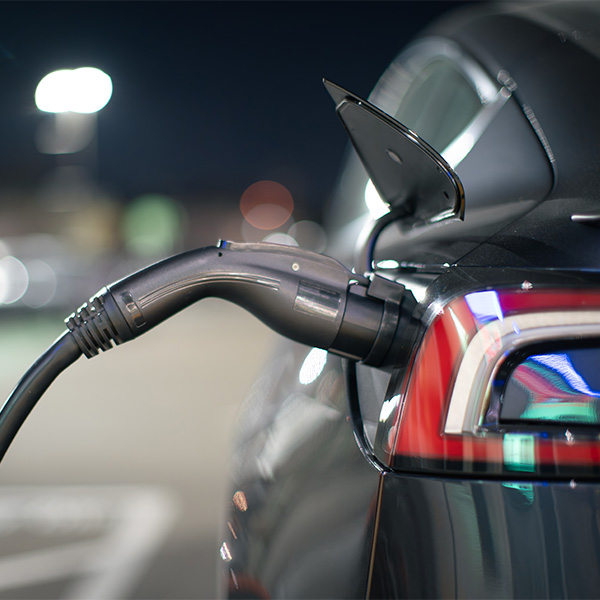
Adapting charging of electrical vehicles to real-time grid conditions could save utilities up to $30 billion annually and reduce peak energy demand, according to a new report by The Brattle Group and smart charging provider ev.energy.
Want more? Advanced Search
