energy emergency alert (EEA)
© RTO Insider
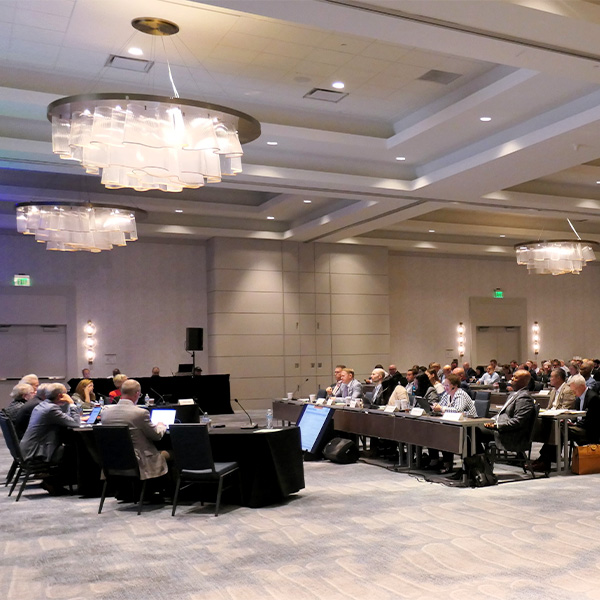
MISO said 2025 was the most demanding summer since 2012, though it steered the grid with only a single maximum generation event.
PJM
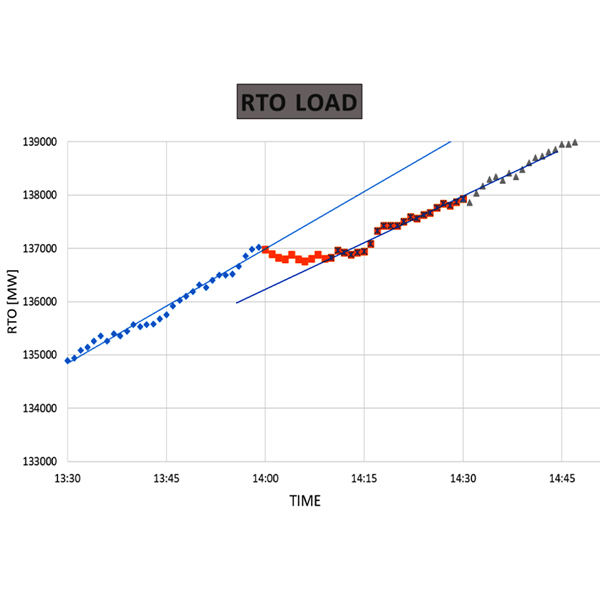
PJM's Operating Committee heard an update on the Aug. 11 load-shedding event in Baltimore, which brought 20 MW offline for about half an hour following equipment failures at the Brandon Shores substation
WECC
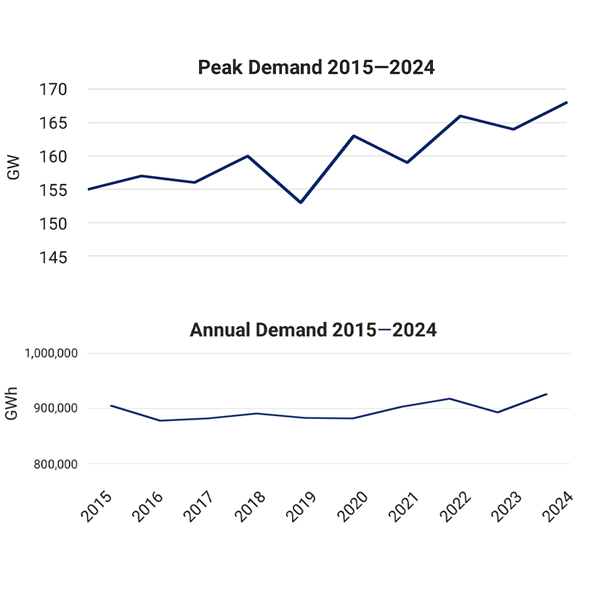
Peak demand in the Western Interconnection hit a record high of 168.2 GW in 2024, reflecting “early effects” of the growth in large loads such as data centers, according to a new WECC report.
NOAA
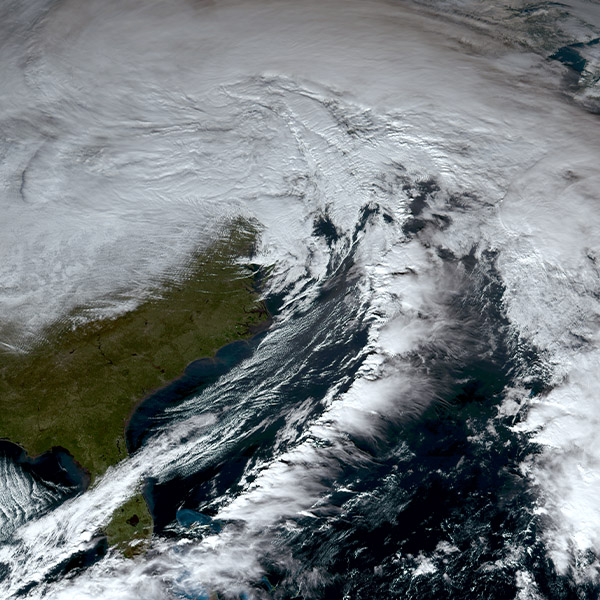
MISO and the Tennessee Valley Authority hope to implement an emergency energy purchase framework by Christmas Eve.
Shutterstock
ERCOT, MISO, PJM and SPP filed a joint brief in the appeal of EPA’s power plant rule seeking more flexibility on compliance, arguing it is needed to ensure reliability.
Electricity Canada
An emergency alert urging the public to conserve energy helped the Alberta Electric System Operator narrowly avert rolling blackouts during January’s extreme cold snap.
SPP
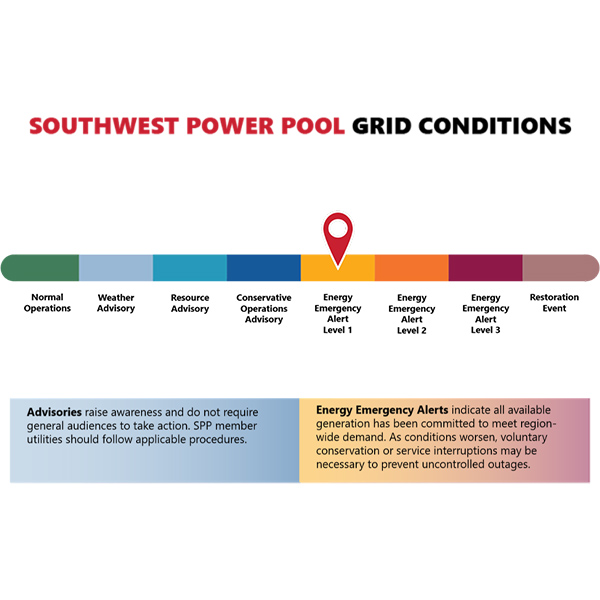
SPP issued a Level 1 energy emergency alert Aug. 26, saying widespread high temperatures in the Great Plains led to tightening reliability conditions in its 14-state balancing area authority.
Admin Monitor
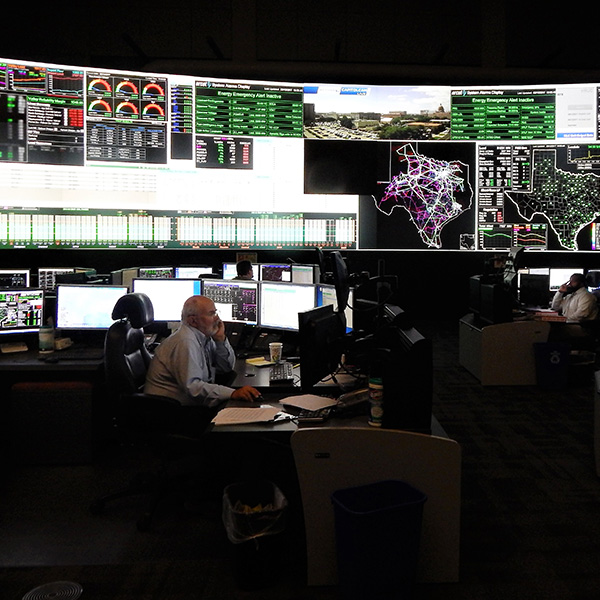
ERCOT shared additional details with Texas regulators regarding the Sept. 6 frequency drop that led to emergency operations for the first time since the disastrous 2021 winter storm.
CAISO
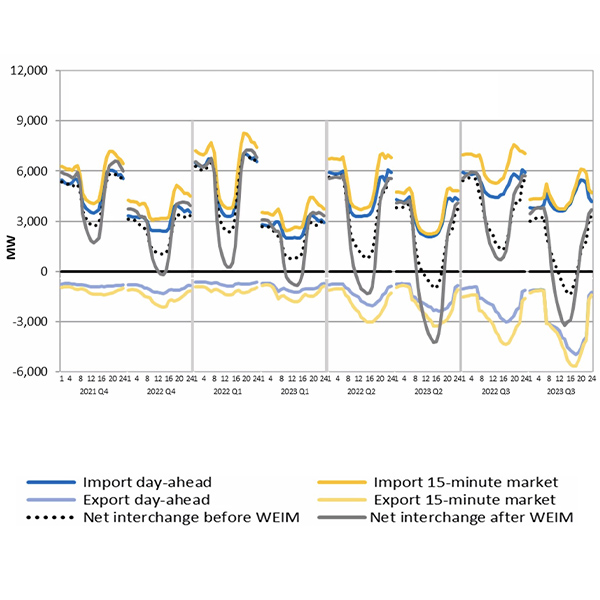
CAISO's Department of Market Monitoring explained that self-scheduled exports to support stressful conditions led to the declaration of emergency alerts in July.
© RTO Insider LLC
ERCOT surprised market participants with an announcement that it plans to increase operating reserves by requesting an additional 3,000 MW of capacity to shore up the grid for the upcoming winter.
Want more? Advanced Search