
Expedited Resource Addition Study (ERAS)
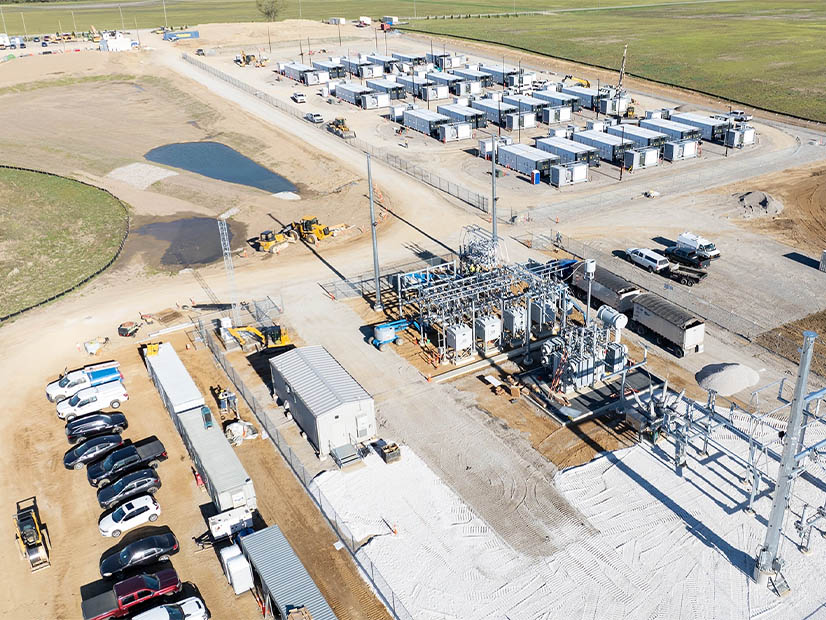
Motor City Electric Utilities
MISO announced a third, 8-GW cycle of generation projects to enter its fast-tracked interconnection process, its largest cluster yet.

© RTO Insider
MISO and SPP credited interregional collaboration with helping them win FERC's approval of their expedited study processes.

© RTO Insider
The Gulf Coast Power Association’s MISO-SPP Regional Conference showcased the rush to add resources, and panelists mused on which new trends could take hold in resource expansion.

© RTO Insider
MISO’s and SPP’s CEOs are confident their interconnection queues will be up to the task of meeting new data center load once their respective special expedited lanes wind down.
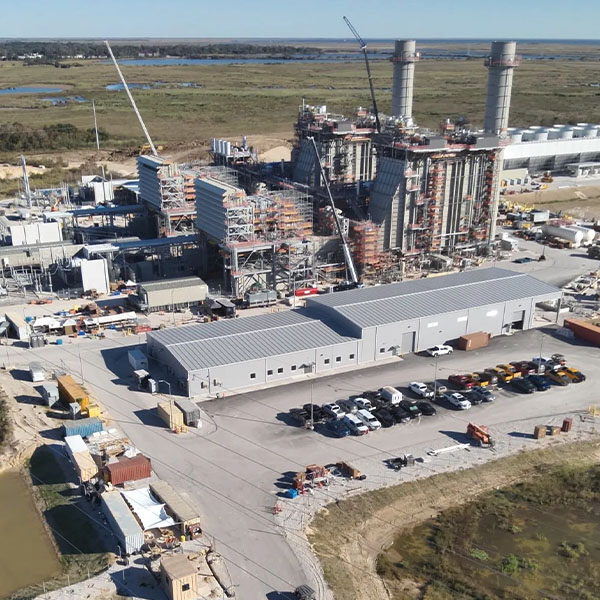
Entergy
The new ERAS processes in MISO and SPP allow certain power plants to effectively jump the interconnection line, skipping ahead of hundreds of other projects already waiting their turn, writes Southern Renewable Energy Association Executive Director Simon Mahan.
AdminMonitor
ERCOT says it leaned on Texas’ 15 mobile generating units and an RMR unit during the state’s first major cold-weather event since 2021’s disastrous Winter Storm Uri.

PJM
A new report examines CAISO, MISO, PJM and SPP efforts to accelerate interconnection and concludes that while some may succeed in speeding generation additions, some sacrifice fairness, transparency and open-access principles.
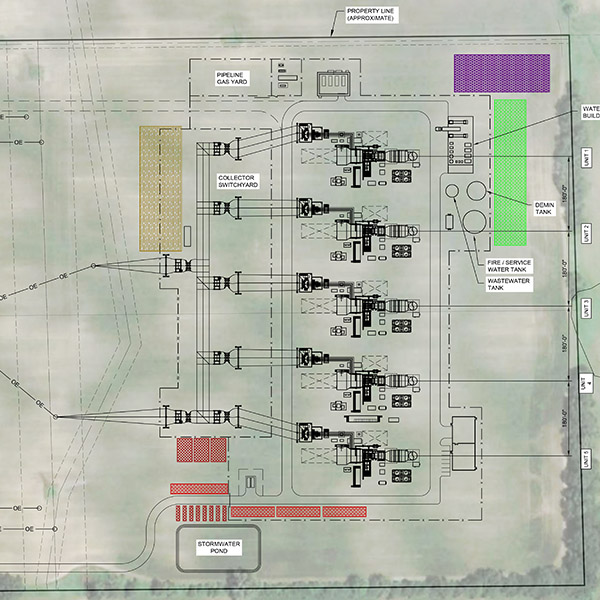
Invenergy
Environmental groups are further pressing their opposition to MISO's and SPP’s fast-track studies for primarily fossil fuel projects, challenging both at the D.C. Circuit in a pair of lawsuits.
We Energies
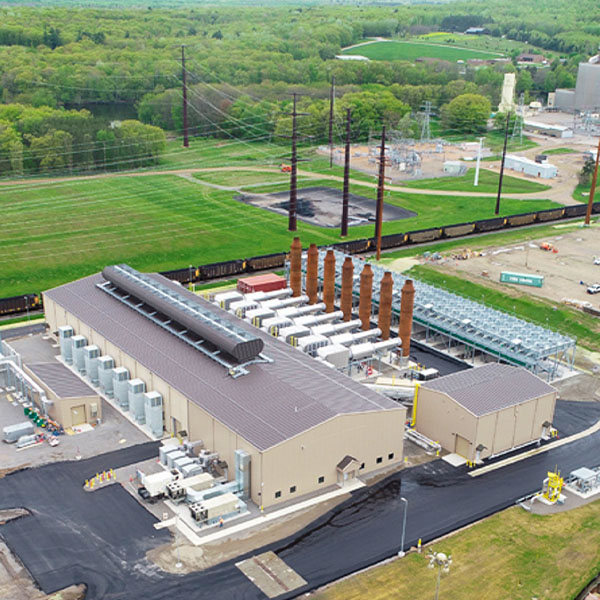
MISO expects to exceed its quarterly project maximum when it begins accepting the first generation project proposals under its interconnection queue express lane.
SPP
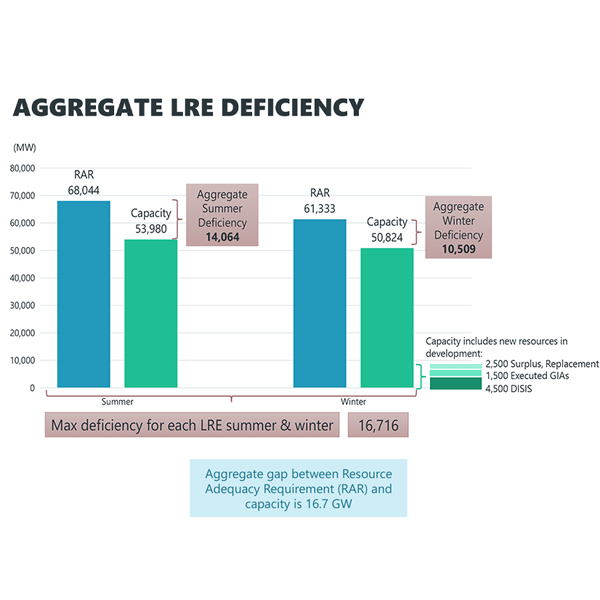
SPP is celebrating several recent FERC orders that have strengthened its resource adequacy framework that it says will secure a “reliable energy future” for its region.
Want more? Advanced Search
