Federal Energy Regulatory Commission (FERC)
The Federal Energy Regulatory Commission is an independent agency that regulates the interstate transmission of electricity, natural gas and oil; reviews proposals to build LNG terminals and interstate natural gas pipelines; and licenses hydropower projects. FERC also oversees operations of regional wholesale electricity and natural gas markets and oversees the reliability of the bulk electric system.

Brosz Engineering
FERC accepted unexecuted network upgrade agreements for wind farms in the Dakotas and Minnesota despite uncertainty over who should finance the upgrades.
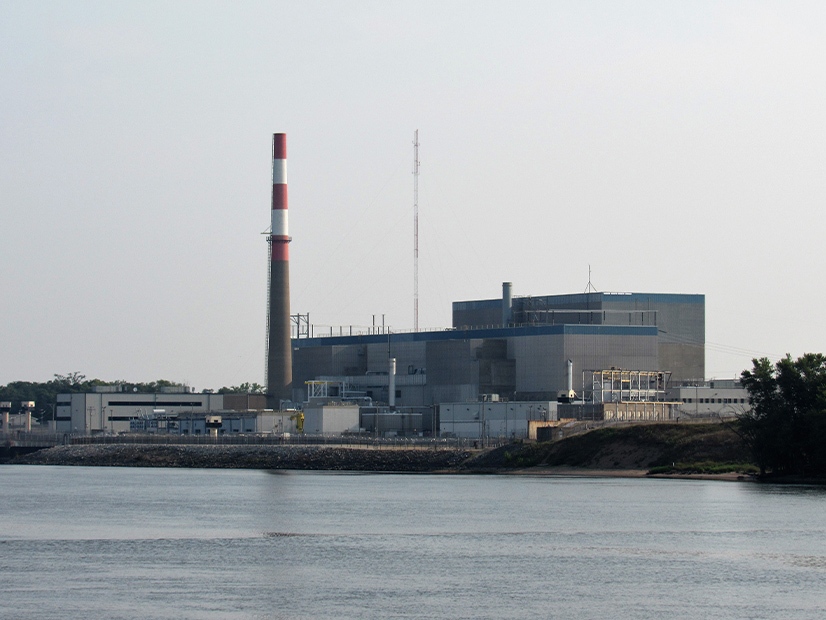
Farragutful, CC BY-SA 4.0, via Wikimedia Commons
PJM will pay $140,000 to ReliabilityFirst as part of a settlement for violations of NERC reliability standards at several facilities, including 2 nuclear sites.
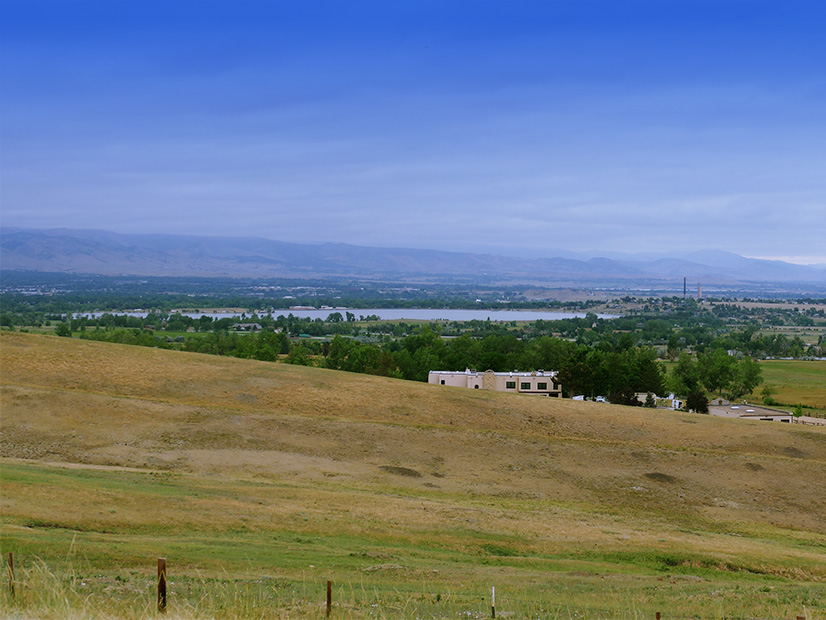
© RTO Insider LLC
FERC OK'd Public Service Company of Colorado's request to participate in SPP’s Western Energy Imbalance Service market while ordering a market analysis.
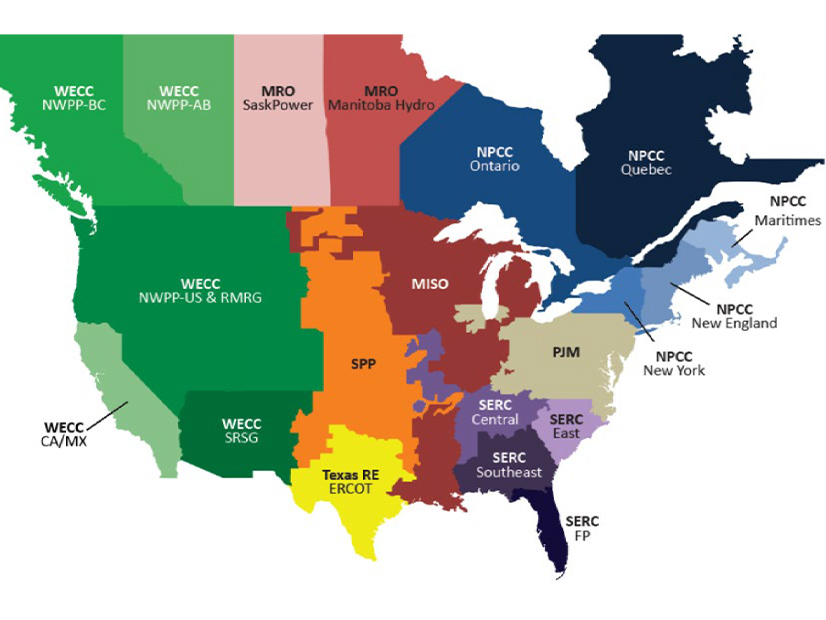
NERC
FERC must look beyond reliability standards to boost electric industry winter readiness, says R Street Institute's Michael Giberson.
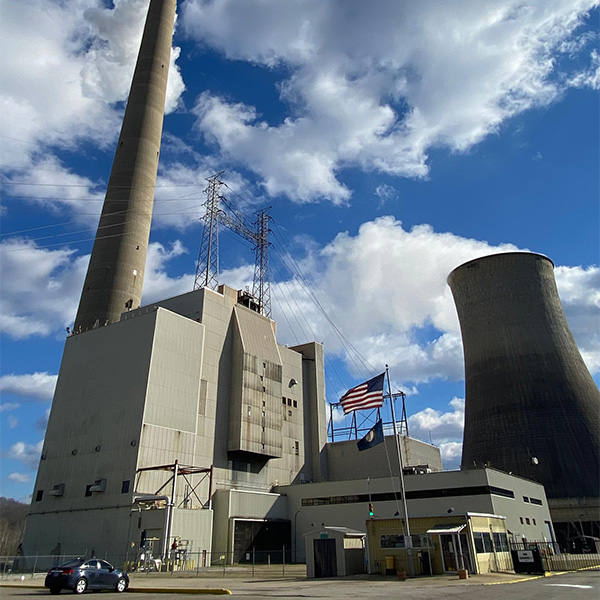
AEP
Kentucky officials have asked FERC to shut down AEP’s proposed $2.6 billion sale of its Kentucky operations to Liberty Utilities.
Niskanen Center
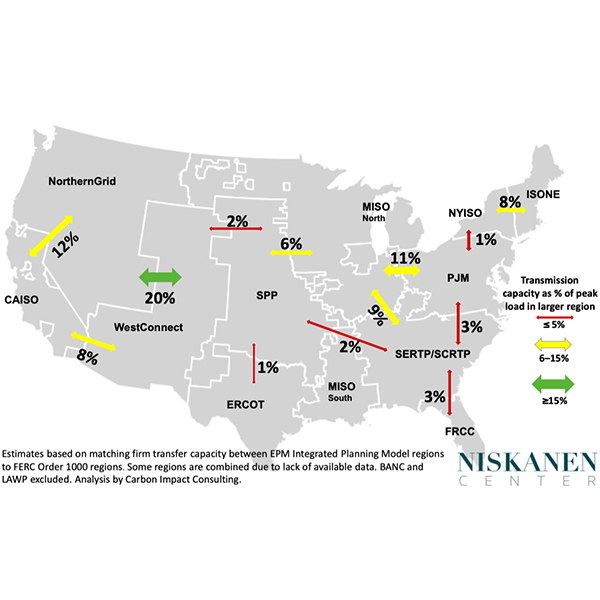
FERC must act to strengthen interregional transmission ties to improve reliability, says former Arkansas PSC Chair Ted Thomas.
© RTO Insider LLC
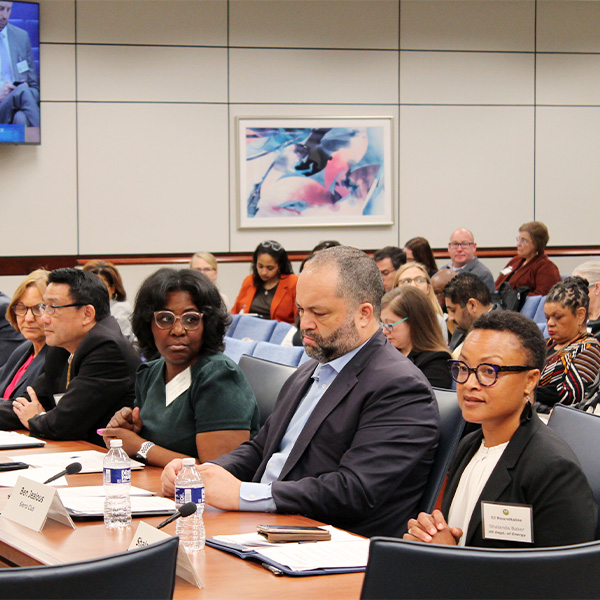
FERC received passionate testimony from panelists at its roundtable on incorporating environmental justice and equity into its infrastructure permitting.

Shutterstock
While none of the incidents affected reliability, evidence of attackers’ efforts to sabotage the grid “highlights the continued need for vigilance,” NERC said.

© RTO Insider LLC
PJM's IMM filed a complaint to FERC alleging that the RTO is in violation of its tariff by not permitting the Monitor to attend Liaison Committee meetings.

© RTO Insider LLC
State regulators and others urged FERC to increase oversight of “local” transmission projects while TOs insisted existing cost controls are sufficient.
Want more? Advanced Search