Federal Energy Regulatory Commission (FERC)
The Federal Energy Regulatory Commission is an independent agency that regulates the interstate transmission of electricity, natural gas and oil; reviews proposals to build LNG terminals and interstate natural gas pipelines; and licenses hydropower projects. FERC also oversees operations of regional wholesale electricity and natural gas markets and oversees the reliability of the bulk electric system.
© RTO Insider LLC
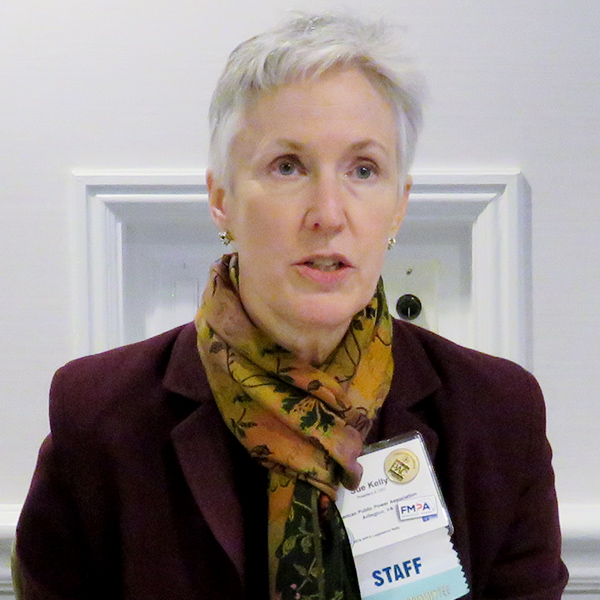
NERC Trustee Sue Kelly argued for giving the ERO board authority to issue standards when it sees inadequate progress on an urgent reliability issue.
Shutterstock
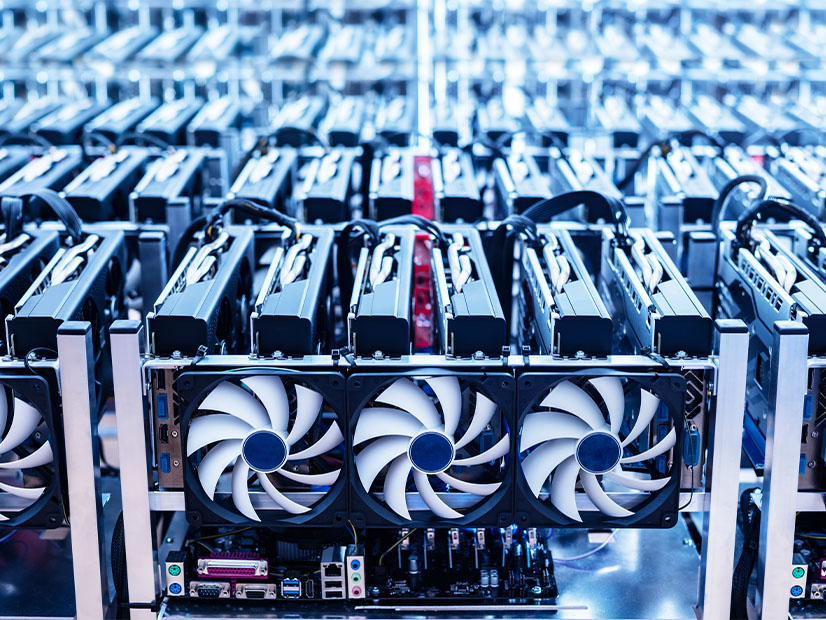
FERC granted a cryptocurrency mining company approval to buy a 60-MW gas-fired power plant near Buffalo, N.Y., where it has been running some of its operations.
APS
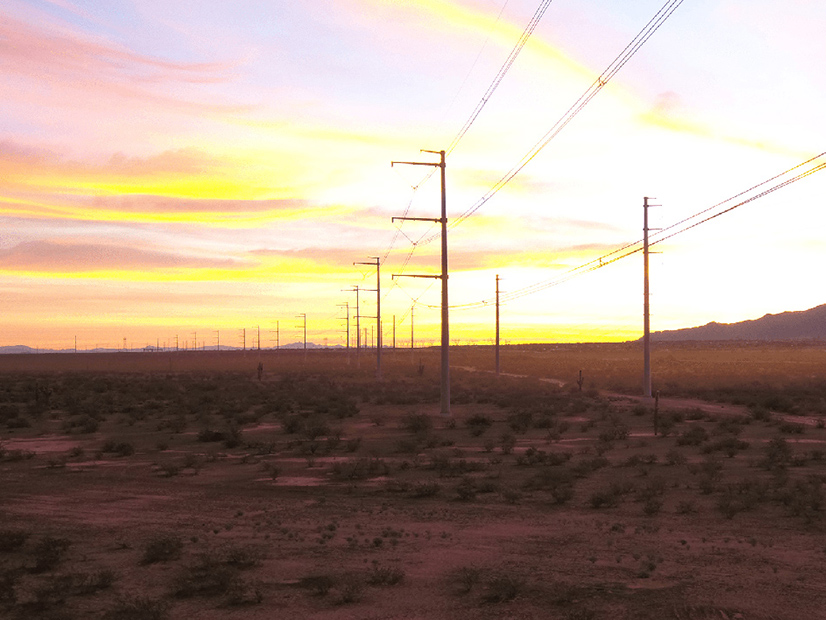
FERC approved Arizona Public Service’s proposal to use the flowgate methodology to calculate available transfer capability (ATC) within its transmission system.
Roda S.p.A.
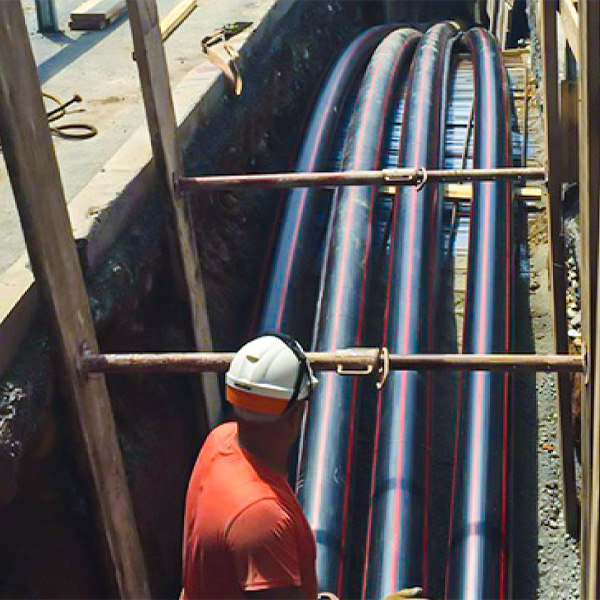
FERC upheld its prior ruling blocking MISO transmission owners from electing to self-fund network upgrades needed for merchant HVDC lines.
Xcel Energy
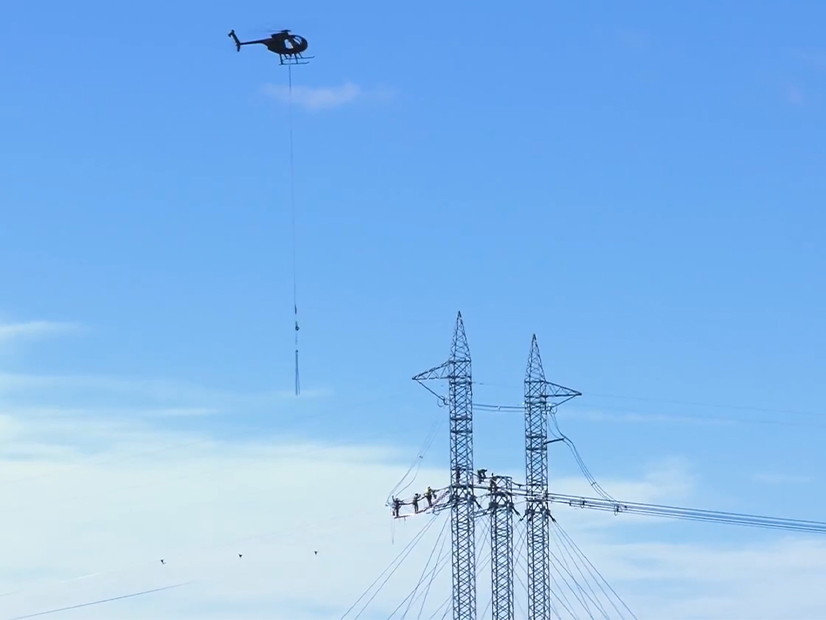
FERC continues to sanction MISO’s separate-but-equal postage stamp rate that is divided between its Midwest and South regions for major transmission buildout.
FERC
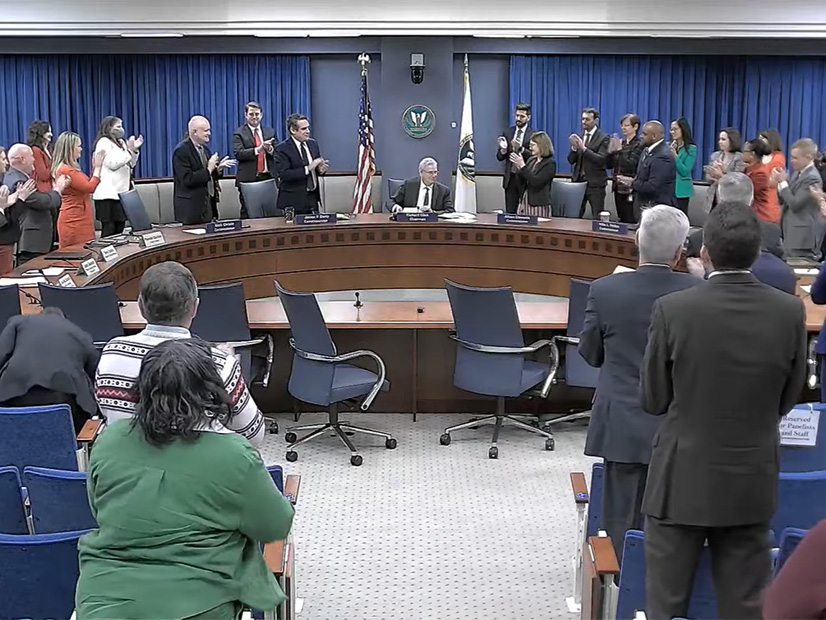
FERC Chair Richard Glick said he will leave the commission when Congress adjourns, ending five years as a federal energy regulator.
FERC
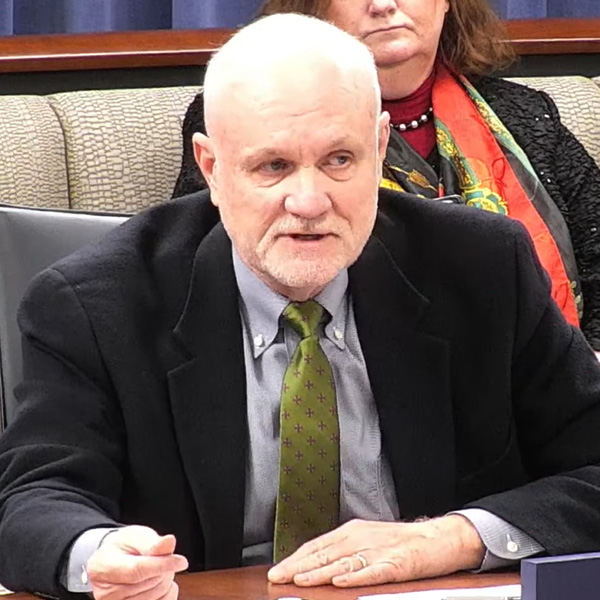
FERC approved a Notice of Proposed Rulemaking that would pave the way for overriding state regulators’ rejections of certain transmission projects.
MeeFog
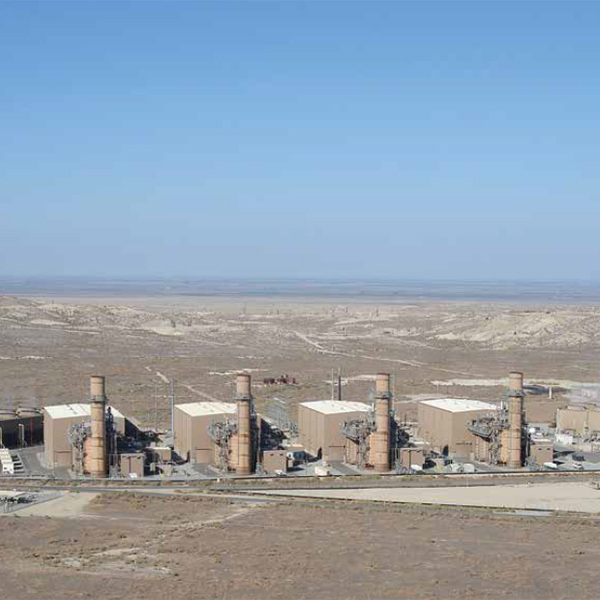
FERC restarted a hearing in a dispute over an interconnection agreement that would reduce transmission capacity for a 20-year-old gas-fired plant in California.
FERC
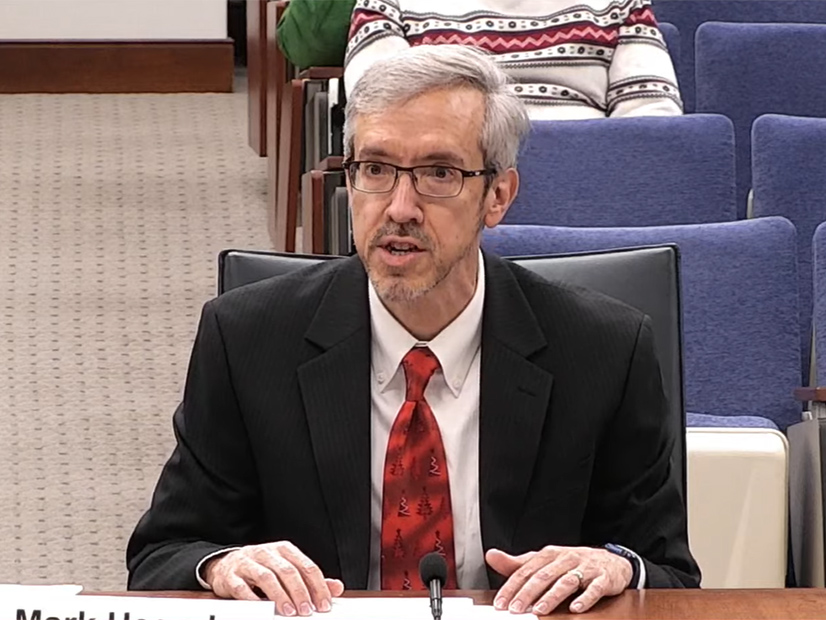
Reacting to an attack on two substations, FERC ordered NERC to review the effectiveness of its physical security standards and recommend needed improvements.
© RTO Insider LLC
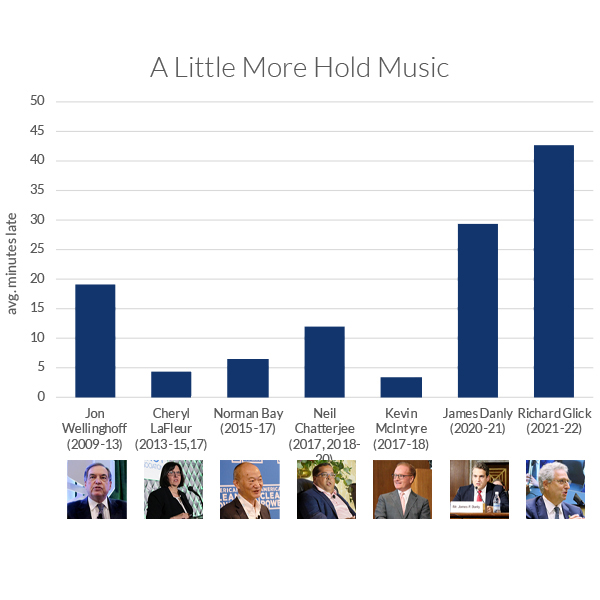
FERC meetings began an average of almost 42 minutes late during Richard Glick’s chairmanship — the longest of the seven commission chairs since 2010.
Want more? Advanced Search