Federal Energy Regulatory Commission (FERC)
The Federal Energy Regulatory Commission is an independent agency that regulates the interstate transmission of electricity, natural gas and oil; reviews proposals to build LNG terminals and interstate natural gas pipelines; and licenses hydropower projects. FERC also oversees operations of regional wholesale electricity and natural gas markets and oversees the reliability of the bulk electric system.
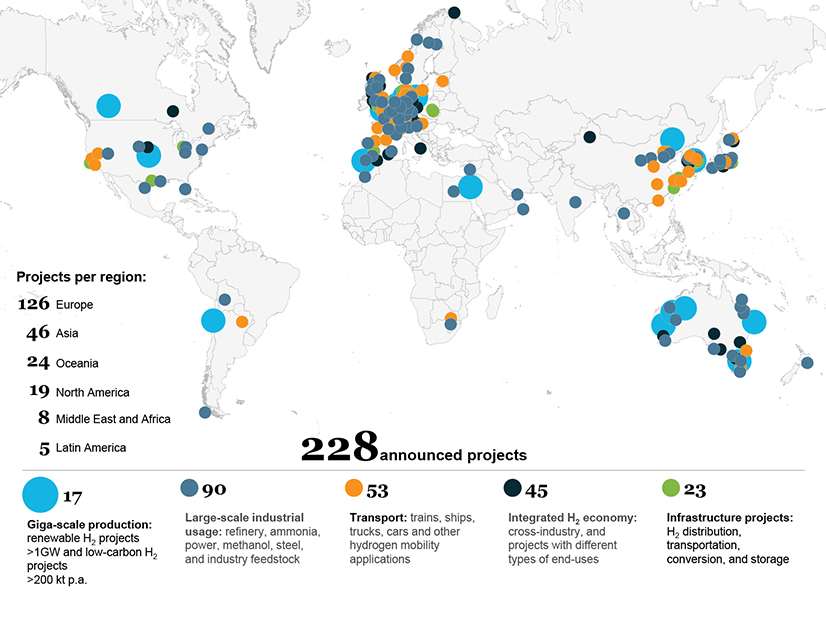
Hydrogen Council, McKinsey & Co.
Creating a new “hydrogen economy” will require new rules and regulations. What rules will apply and who will enforce them?
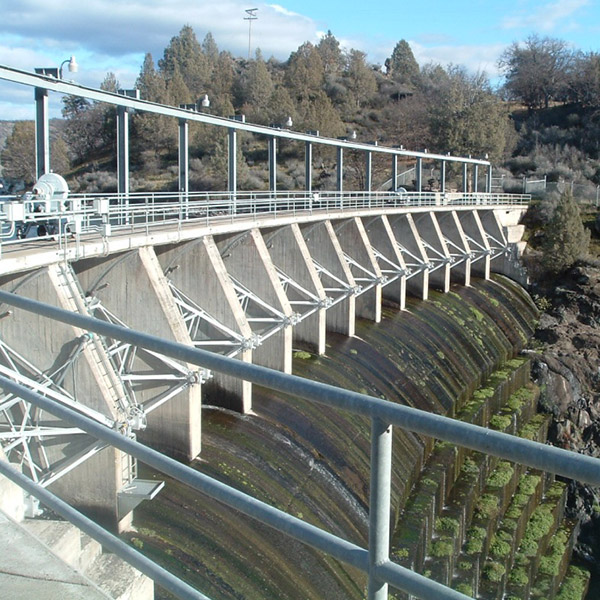
California State Water Resources Control Board
FERC approved the transfer of the 169-MW Klamath Hydroelectric Project’s license from PacifiCorp to a group of parties that will decommission the dams.
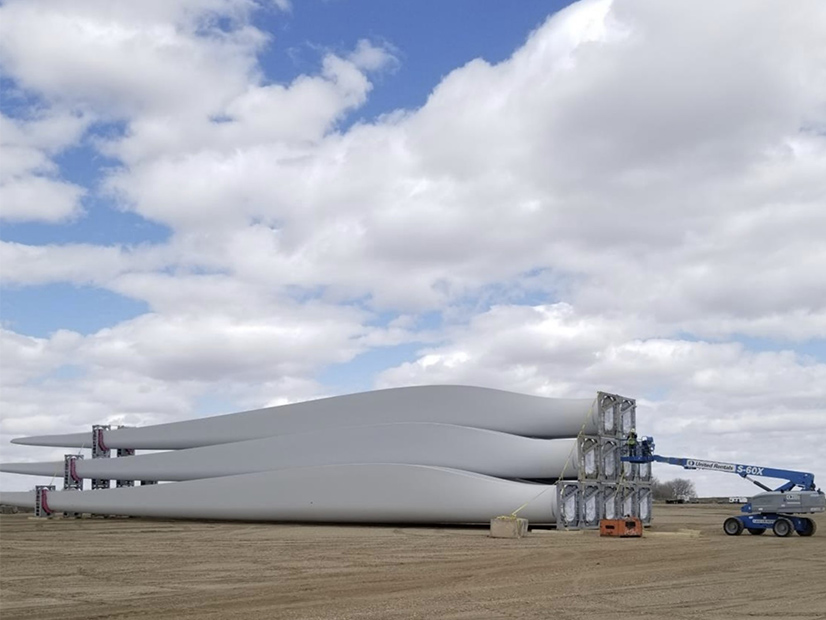
Xcel Energy
The first amended agreements are trickling in following FERC's 2018 decision to reinstate transmission owners’ rights to self-fund network upgrades.
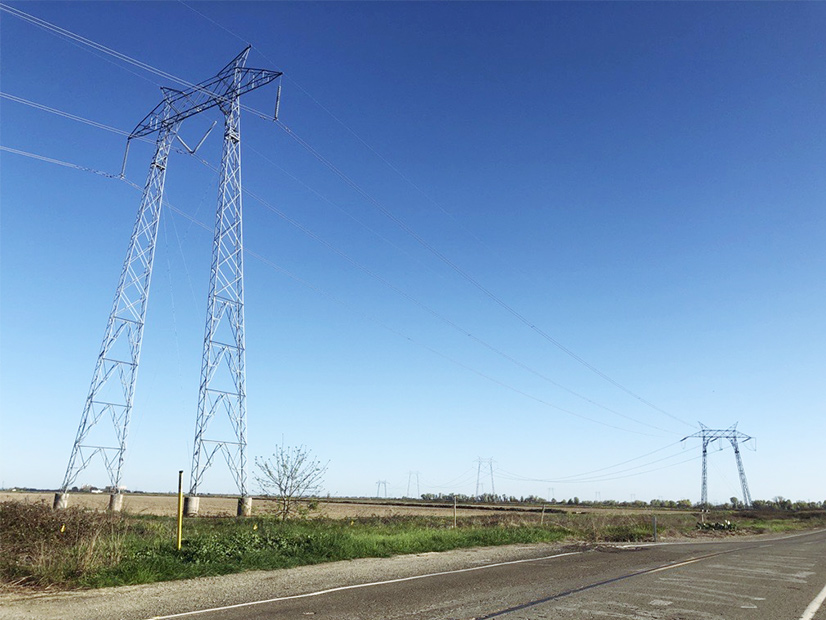
© RTO Insider LLC
FERC provided guidance to Western electricity sellers on how and when to seek exceptions for transactions that exceed the region’s $1,000/MWh soft cap.
NYSERDA
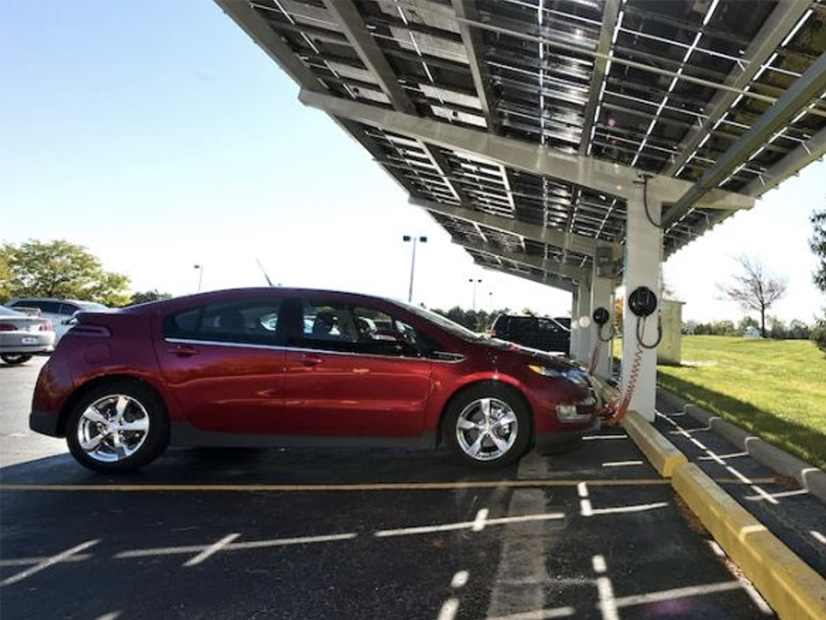
NYISO discussed its plans to comply with FERC Order 2222 with stakeholders ahead of a July 19 compliance filing deadline.
Daniel Case, CC BY-3.0, via Wikimedia Commons
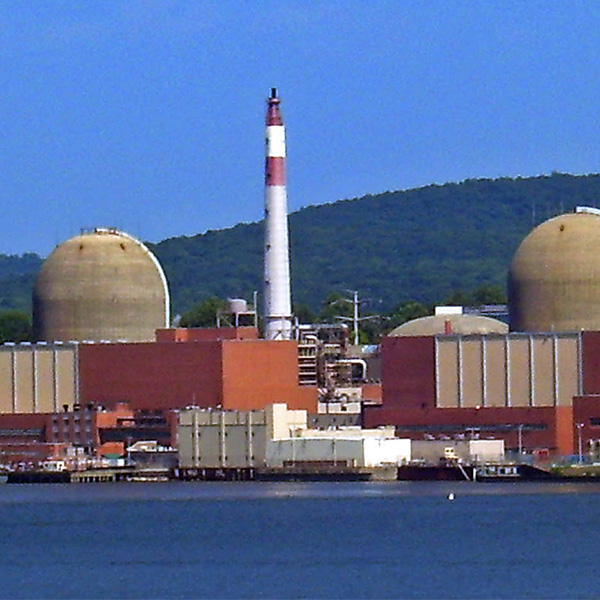
Another complaint aimed at stopping the shutdown of a nuclear power plant on reliability grounds met its end at FERC's monthly open meeting.
© RTO Insider LLC
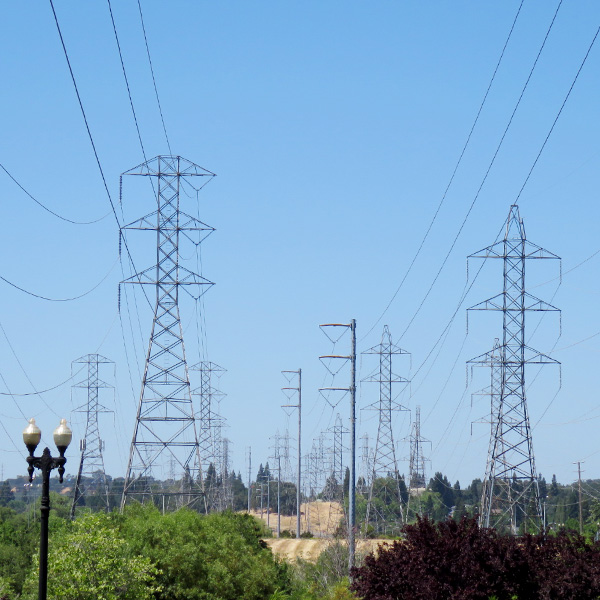
FERC will create a task force with state regulators to spur increased transmission, a recognition of Order 1000's failure to produce any interregional projects.
Cyndy Sims Parr, CC BY-SA 2.0, via Wikimedia Commons
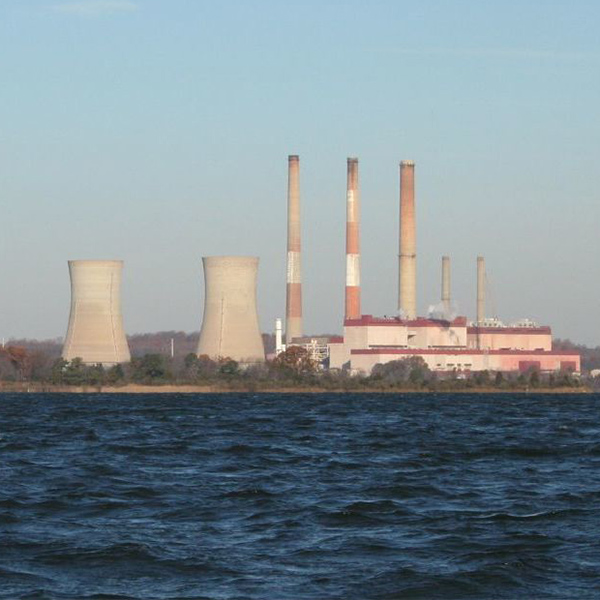
FERC issued a show-cause order to PJM, saying that the RTO’s tariff appeared to allow generators to exercise market power

Shutterstock
FERC said it would reconsider Order 2222-A, continuing the debate over whether states should be able to prevent DR from participating in RTO/ISO markets.
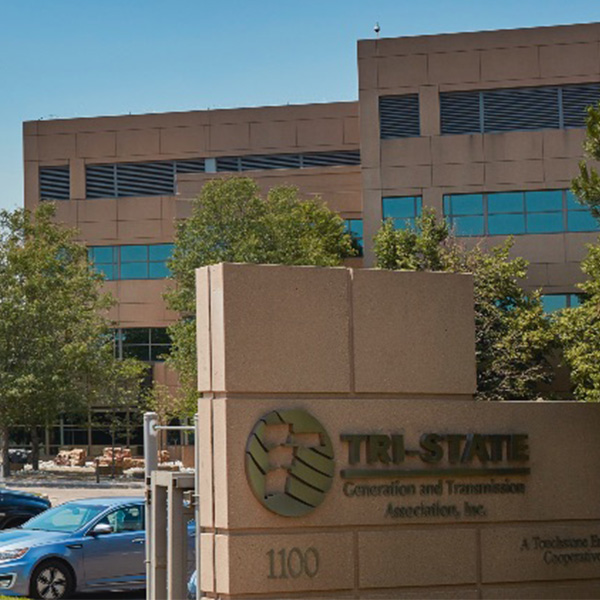
Tri-State G&T
FERC has opened a Section 206 proceeding against Tri-State G&T following complaints that its proposed exit-fee requirements are unjust and unreasonable.
Want more? Advanced Search