Federal Energy Regulatory Commission (FERC)
The Federal Energy Regulatory Commission is an independent agency that regulates the interstate transmission of electricity, natural gas and oil; reviews proposals to build LNG terminals and interstate natural gas pipelines; and licenses hydropower projects. FERC also oversees operations of regional wholesale electricity and natural gas markets and oversees the reliability of the bulk electric system.

FERC denied Public Citizen’s request to rehear its original complaint alleging that PJM failed to disclose nearly $500,000 in political spending.
FERC lifted MISO transmission owners’ base return on equity from 9.88% to 10.02% and allowed them to add a third calculation model into the mix.
FERC largely accepted PJM’s Order 845 compliance filing addressing concerns over a lack of transparency regarding contingent facilities.
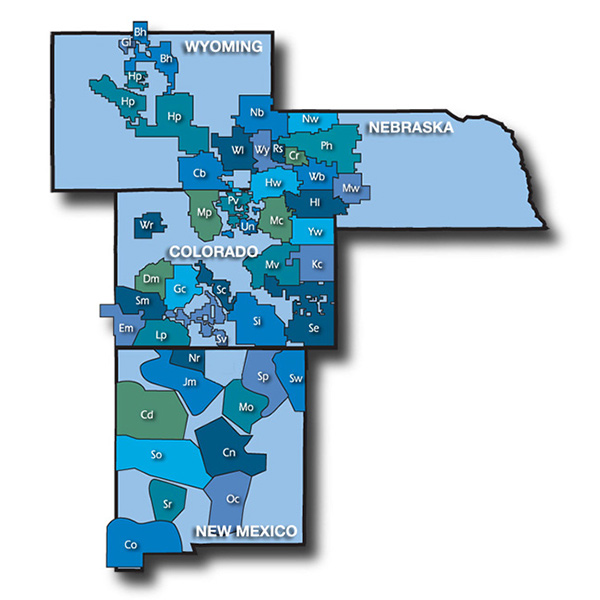
FERC partially approved Tri-State Generation and Transmission Association’s Order 845 compliance filing, directing the cooperative to make more changes.
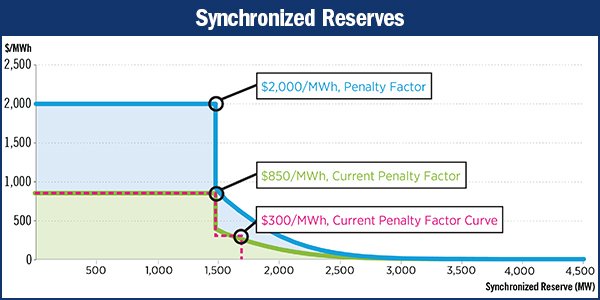
FERC approved PJM’s proposed energy price formation revisions, agreeing with the RTO that its reserve market was not functioning as intended.
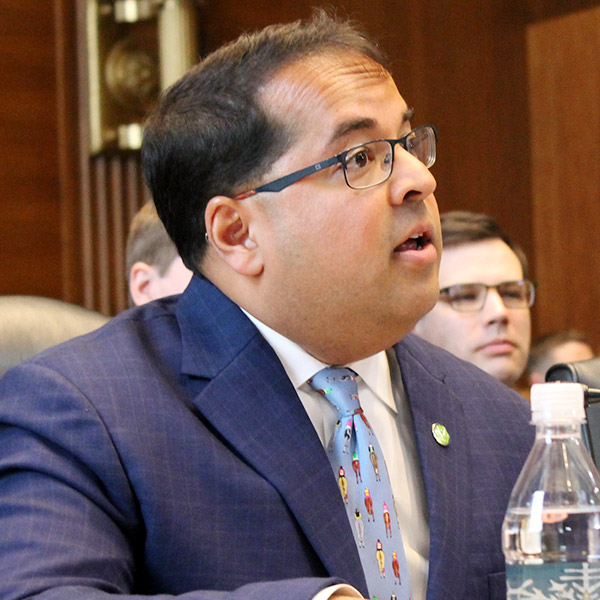
FERC Chairman Neil Chatterjee pledged to serve his full term, saying his Facebook posting suggesting he was considering running for governor of Virginia was a joke.
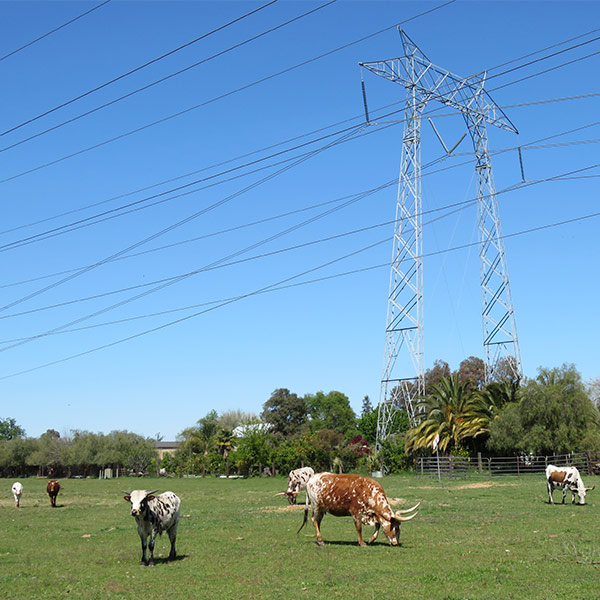
FERC partly rejected CAISO Tariff revisions seeking deliverability enhancements for interconnection customers, saying a proposal to limit self-scheduling by some generators wasn’t reasonable.
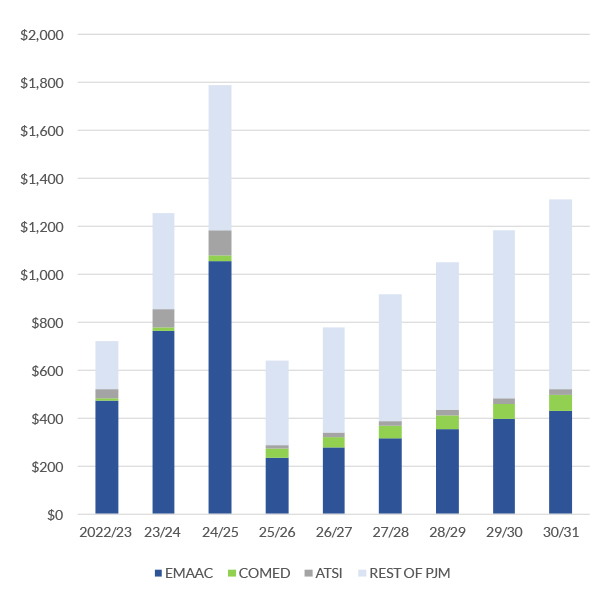
The expanded MOPR will cost PJM ratepayers almost $9.7 billion over nine years if FERC adopts revised floor prices allowing most nuclear plants to clear.

FERC rejected Public Service Company of Colorado’s proposed changes to its large generator interconnection procedures.
More than two dozen companies and coalitions filed responses to PJM’s compliance filing to FERC's order expanding its MOPR.
Want more? Advanced Search